A 5-Minute Cancer Injection: Less Time in the Chair, More Time for Life
Cancer treatment often means spending long hours in a hospital—hooked up to an IV infusion that can take 30 to 60 minutes (or longer). When these appointments happen repeatedly, the burden adds up: fatigue, missed workdays, and emotional strain for patients and families. But what if part of that routine could be shortened to just a few minutes?
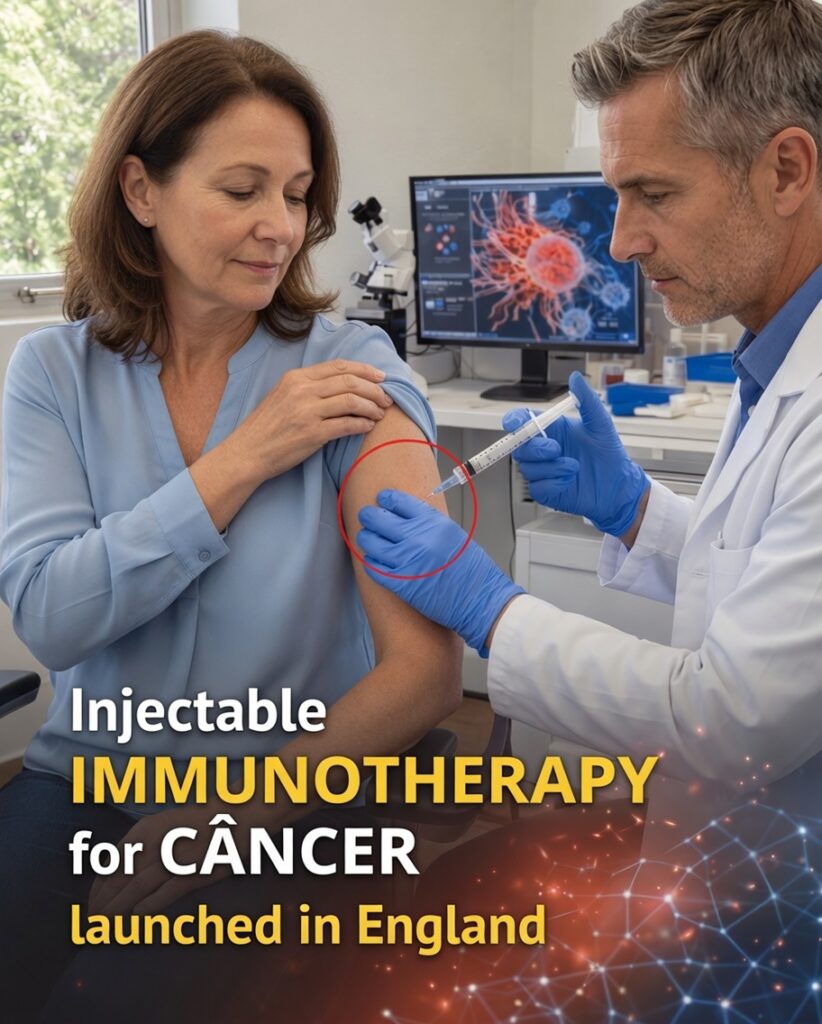
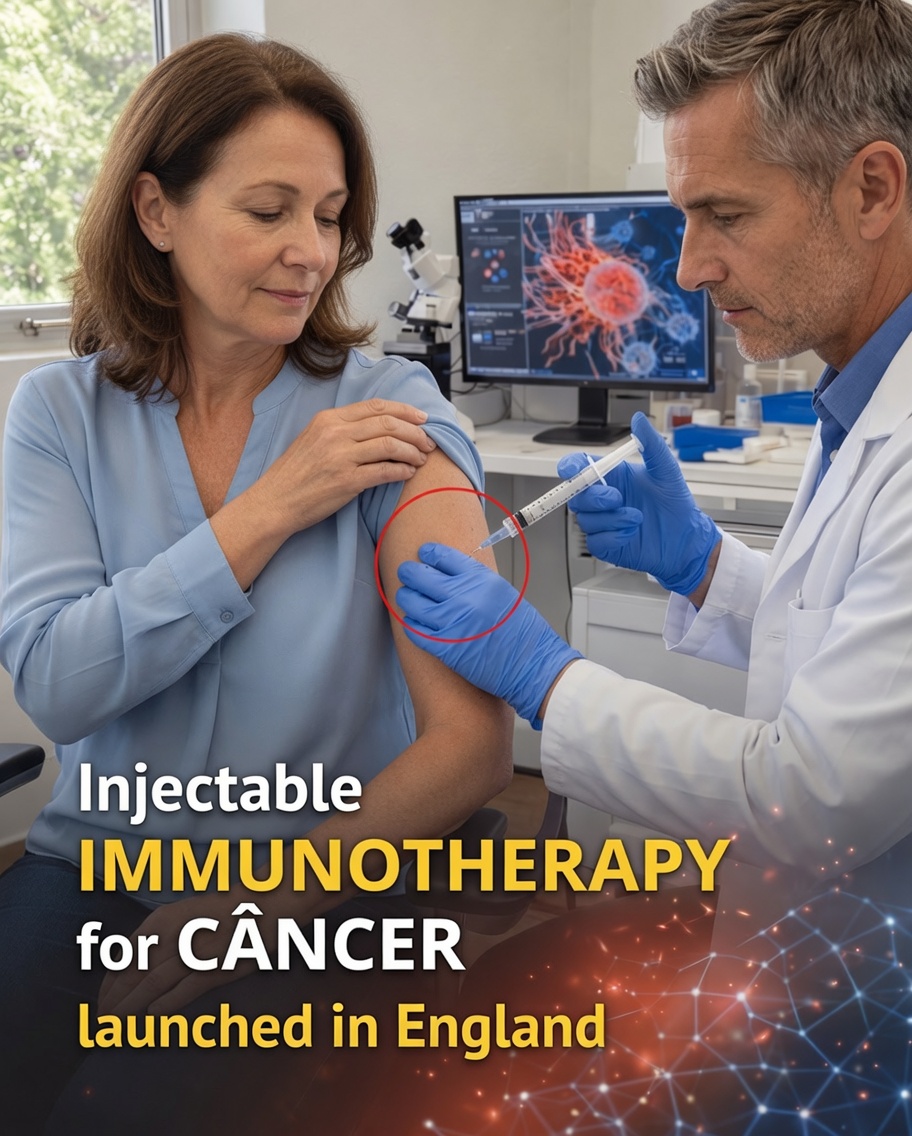
A promising development from England is drawing attention: an injectable (subcutaneous) version of the immunotherapy nivolumab (Opdivo) that can be administered in about 3–5 minutes. It may sound like a small change, but it could significantly improve the day-to-day experience of many people receiving cancer immunotherapy. Toward the end, you’ll find practical ways to discuss this option with your doctor and understand why clinicians are watching it closely.
What Is the New Injectable Immunotherapy?
Immunotherapy works by helping the body’s own immune system detect and attack cancer cells. Nivolumab is a widely used immunotherapy drug that blocks PD-1, a protein that can act like a “brake” on immune cells. By inhibiting PD-1, nivolumab helps immune defenses respond more strongly against cancer.
Until recently, nivolumab was commonly delivered intravenously (IV). With the new subcutaneous formulation, it can be given as a simple injection under the skin—while maintaining comparable effectiveness.
This injectable version was approved in April 2025, enabling England’s public healthcare system to begin rolling it out on a broader scale.
Which Cancers Can This Injection Be Used For?
The injectable nivolumab option applies to multiple cancer types where nivolumab is already indicated, including:
- Skin cancer (melanoma)
- Lung cancer
- Bladder cancer
- Esophageal cancer
- Colorectal cancer
- Kidney cancer
- Head and neck cancers
- Selected cases of liver cancer and stomach cancer
Early estimates suggest that around 1,200 patients per month could benefit from this innovation initially.
What Changes in Real Life?
The practical impact is substantial:
- Administration time: from 30–60 minutes → down to 3–5 minutes
- Patient experience: less time connected to equipment → more comfort and flexibility
- Hospital workflow: faster delivery can improve efficiency and help care teams treat more patients
This does not replace every cancer therapy, but it meaningfully improves a major part of treatment for eligible patients.
How Does the Injection Work?
The medicine itself is the same. What changes is the delivery method and how the body absorbs it. The subcutaneous formulation is designed to be absorbed effectively through tissue under the skin, achieving similar drug levels in the body compared with the IV approach.
Many patients report that it feels more convenient—reducing time in the hospital and causing less disruption to everyday routines.
Why This Matters for Patients and Families
Spending less time at the hospital can translate into:
- Reduced physical and emotional exhaustion
- More time with family and loved ones
- Less impact on work and personal responsibilities
- Greater day-to-day freedom
That said, this injectable option won’t be suitable for everyone. Eligibility may depend on factors such as the cancer type, stage of disease, and a person’s medical history.
What You Can Do Now
If you or someone close to you is receiving cancer treatment, consider these steps:
- Ask your oncologist whether injectable nivolumab is available or expected to be available in your region.
- Discuss whether it may be appropriate for your specific diagnosis and treatment plan.
- Review potential benefits, risks, and side effects, just as you would with IV therapy.
- Rely on trusted medical sources and guidance from qualified professionals.
Being informed helps you take an active role in treatment decisions—without replacing expert medical advice.
A New Direction in Cancer Care
Immunotherapy has already transformed cancer treatment in recent years. Innovations like this highlight an important shift: progress isn’t only about clinical effectiveness—it’s also about quality of life.
Making treatment simpler and less time-consuming can have a meaningful impact on a patient’s journey.
Final Thoughts
This 3–5 minute cancer immunotherapy injection represents a significant step toward care that is more practical, patient-centered, and accessible. While it won’t fit every case, it points to a future where cancer treatment can be not only more effective—but also less draining.
If you’re navigating cancer treatment, staying informed and maintaining open communication with your healthcare team can help you find the approach that best fits your needs.
Disclaimer: This article is for informational purposes only and does not replace medical advice. Always consult qualified healthcare professionals before making treatment decisions.