Neem Leaves for Everyday Wellness: What Tradition and Research Suggest
Dealing with day-to-day health concerns such as unstable blood sugar, occasional physical discomfort, or uncertainty about cardiovascular markers can be stressful. Because of this, many people look for natural ways to support their existing routine without making drastic lifestyle changes. Among the plants often mentioned in traditional wellness systems, neem leaves from the Azadirachta indica tree remain especially notable. Modern research has started to examine the compounds found in neem more closely, adding scientific interest to its long history of use. This article explores what makes neem leaves noteworthy, how they have been used traditionally, what current studies indicate, and how to approach them carefully.
Why Neem Leaves Attract So Much Attention
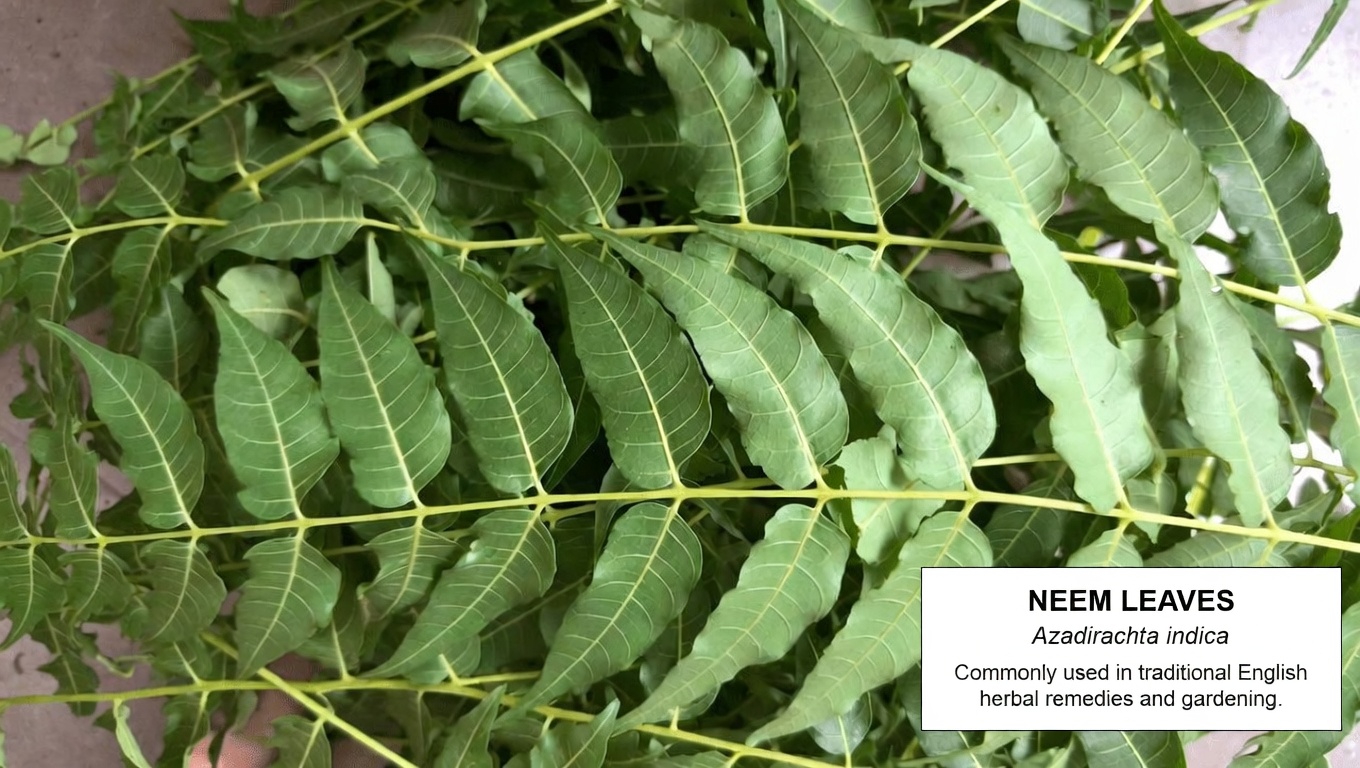
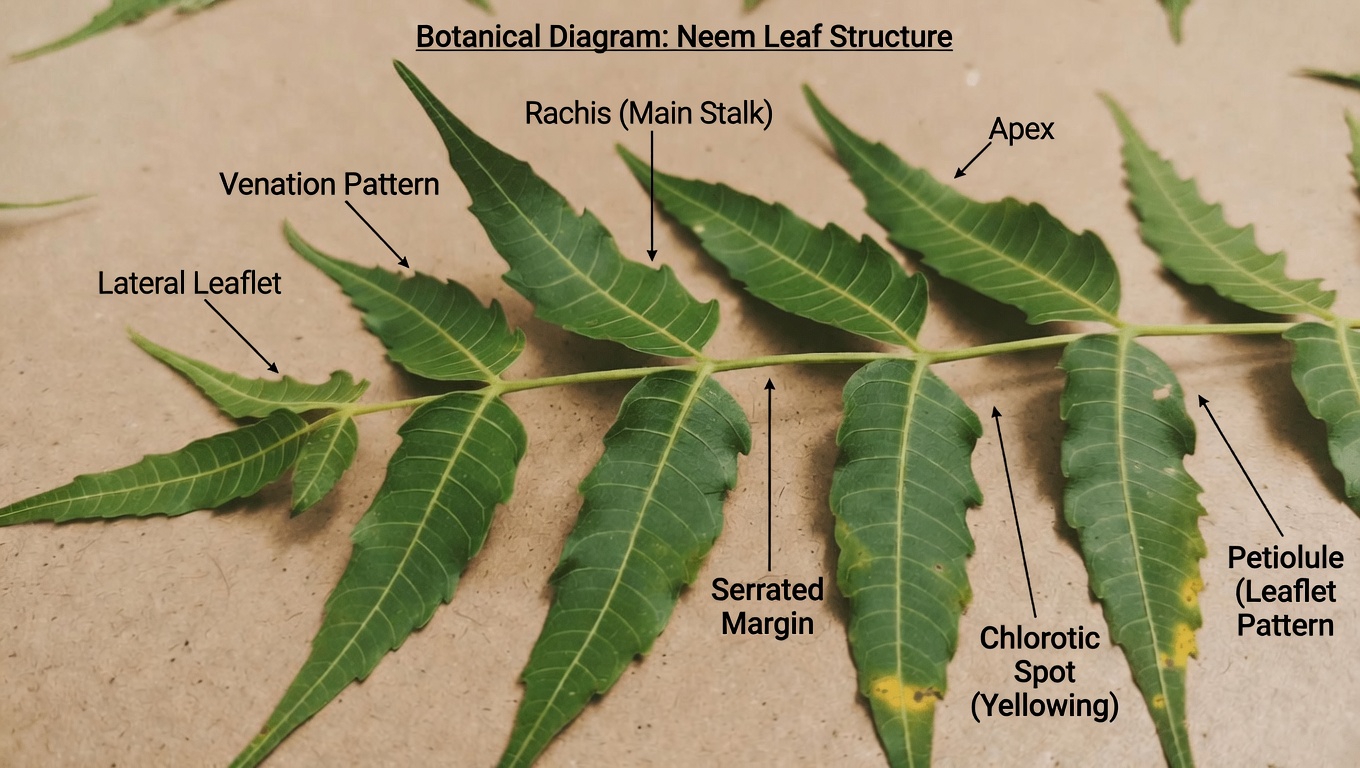
Neem is a tropical tree widely found in regions such as India, where it has been used in traditional practices for generations. Its leaves contain several naturally occurring compounds, including flavonoids, limonoids, and antioxidant substances, all of which contribute to its wellness reputation.
Scientific interest has grown because early research, including laboratory and animal studies, suggests neem may play a role in supporting metabolic function. Some extracts have shown activity in pathways related to glucose management, while review papers often emphasize neem’s antioxidant potential. This matters because oxidative stress is commonly linked to many aspects of general health.
Researchers are also studying whether neem may influence cholesterol balance and blood vessel function, both of which are important for long-term cardiovascular well-being.
Neem Leaves and Blood Sugar Support
Stable blood sugar is a major focus in modern health discussions, especially as awareness of metabolic wellness continues to rise. In traditional settings, neem leaves have often been associated with support in this area, and current research offers some early explanations for why.
Animal studies suggest neem leaf extracts may affect insulin-related signaling and help improve glucose uptake in body tissues. Some reviews have reported lower fasting glucose levels in controlled models, possibly due to effects on carbohydrate-processing enzymes or support for pancreatic beta-cell activity. A small number of human studies have also noted improvements in markers such as HbA1c when standardized neem extracts were used, although findings are not yet consistent enough to draw firm conclusions.
The most important point is that neem may offer complementary support, but it is not a substitute for prescribed medical care or professional guidance.
Key observations from current studies
- Neem may help influence enzymes involved in carbohydrate digestion
- It could assist glucose uptake in peripheral tissues
- Its antioxidant compounds may support overall cellular function
Possible Effects on Heart Health Markers
Cardiovascular health is closely connected to blood pressure, circulation, and cholesterol levels. Neem has also been studied in this context because its active compounds may affect several related biological pathways.
Research in animal models has suggested that neem may help improve lipid balance, including support for healthy HDL levels while helping manage LDL and triglycerides, particularly in high-fat diet conditions. Some proposed mechanisms involve nitric oxide signaling and calcium channel activity, both of which are associated with blood vessel relaxation.
Its antioxidant properties may also help protect endothelial function over time, which is important for healthy circulation. In traditional language, neem has sometimes been described as helping to “purify the blood,” a concept that loosely aligns with modern interest in reducing oxidative stress.
Even so, these findings remain preliminary and should be viewed as part of ongoing research rather than confirmed therapeutic claims.
Neem and Everyday Inflammatory Discomfort
Mild aches, tension, and inflammatory responses can interfere with comfort and daily routines. Neem has long been valued for soothing qualities, and some of its compounds, such as nimbidin, are believed to contribute to these effects.
Laboratory and animal research indicates neem may help regulate inflammatory markers, which may in turn support general physical comfort. A few studies have also linked neem to improved pain-response thresholds in experimental models. However, human evidence is still limited, so these findings should be interpreted with caution.
For people interested in plant-based wellness habits, neem may be worth considering as an addition to a broader lifestyle approach.
Easy Ways to Use Neem Leaves
If you want to try neem in a simple traditional form, neem leaf tea is often the most accessible starting point. A gentle infusion allows beginners to test tolerance while keeping the preparation straightforward.
Simple neem leaf tea recipe
- Take 5 to 10 fresh or dried young neem leaves. Younger leaves are usually less bitter.
- Wash the leaves thoroughly with clean water.
- Bring 1 to 2 cups of water to a boil.
- Add the leaves and lower the heat.
- Let the mixture simmer gently for 5 to 10 minutes.
- Strain the liquid and allow it to cool slightly.
- If needed, add a little honey or lemon to soften the bitterness.
- Drink slowly, starting with once daily.
Tips to make neem easier to use
- Choose organic or home-grown leaves when possible
- Begin with a small amount to see how your body responds
- Do not steep for too long, as the flavor can become very bitter
- Combine with ingredients like ginger if you prefer a milder taste
Moderation is essential, and it is always best to pay attention to how you feel after use.
Safety Considerations Before Using Neem
Although neem is often considered well tolerated in moderate amounts for many adults, it is not appropriate for everyone. Using too much may lead to digestive discomfort, including stomach upset.
Certain groups should avoid neem unless specifically advised by a qualified healthcare professional. This includes:
- Pregnant individuals
- Breastfeeding individuals
- Children
- People with liver or kidney concerns
Neem may also interact with medications that lower blood sugar, potentially increasing their effects. Anyone taking prescription medicine should be especially cautious and monitor closely with medical supervision. It is also wise to stop using neem at least two weeks before surgery because of its possible influence on glucose regulation.
Why Researchers Still Find Neem Promising
Neem continues to draw attention because it contains multiple compounds with a wide range of biological activity. From antioxidant support to possible effects on metabolic pathways, it remains an important subject in both herbal tradition and scientific investigation.
It is not a miracle remedy, but it is a strong example of how traditional plant knowledge and modern research can overlap in meaningful ways.
Frequently Asked Questions
How much neem tea should I start with?
A common starting point is one small cup per day, prepared with about 5 to 7 leaves. Try this for a week and monitor how you feel before making any changes.
Can neem replace my current treatment plan?
No. Neem may provide supportive benefits, but it should never replace medical advice, prescribed treatment, or professional care.
Are fresh neem leaves better than dried ones?
Both can be useful. Fresh young leaves often taste milder, while dried leaves are easier to store and still retain important compounds when kept properly.
Is there strong evidence for long-term daily neem use?
Most available evidence comes from short-term studies or animal research. Long-term human studies are still limited, so using neem cautiously and taking occasional breaks is a sensible approach.
Final Note
Before adding neem leaves or any herbal product to your routine, speak with a healthcare provider, especially if you have a chronic condition or take medication. This article is intended for educational purposes only and should not be considered medical advice.