Deadly Nightshade (Atropa belladonna): Ingredients and Effects
What Makes It Toxic?
Deadly Nightshade, scientifically known as Atropa belladonna, is one of the most poisonous plants in the world. Its danger comes from a group of chemicals called tropane alkaloids, mainly:
- Atropine
- Scopolamine
- Hyoscyamine
These substances disrupt the nervous system by blocking acetylcholine, a key neurotransmitter involved in:
- Muscle movement
- Heart function
- Salivation and digestion
- Other automatic body processes
When acetylcholine is blocked, the body’s normal functions break down, leading to potentially life-threatening symptoms such as:
- Enlarged (dilated) pupils
- Extreme dryness of the mouth and throat
- Confusion and hallucinations
- Rapid or irregular heartbeat
- Loss of muscle control, weakness, or paralysis
- Coma or death at higher doses
Why Is Deadly Nightshade So Dangerous?
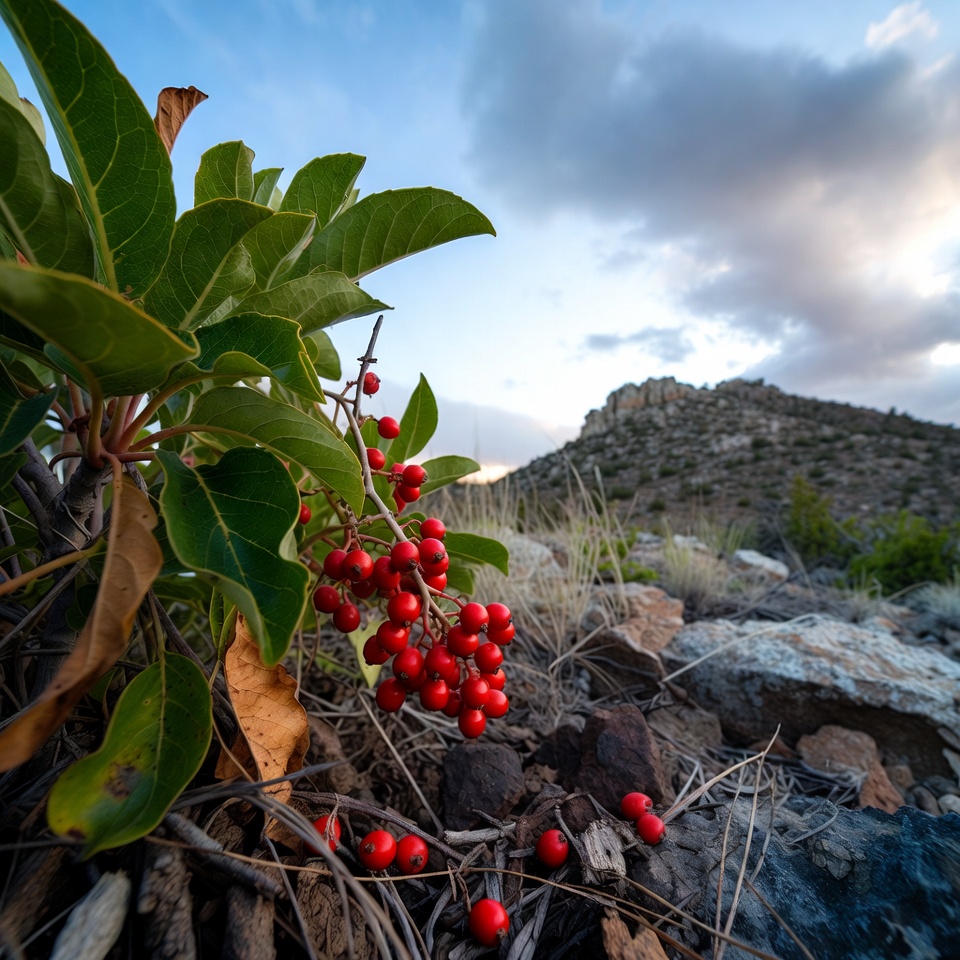
Deadly Nightshade is especially risky because every part of the plant is poisonous—leaves, stems, roots, flowers, and berries.
However, the berries are the most dangerous, particularly for children:
- They look shiny, dark, and appetizing, similar to cherries or other edible berries.
- They can taste slightly sweet, making them deceptively appealing.
- Ingesting just a small number of berries can be fatal, especially for young children.
Can Deadly Nightshade Be Used Safely?
Despite its extreme toxicity, Atropa belladonna has a long history of controlled use in both medicine and cosmetics.
Traditional and Modern Medical Uses
Historically, belladonna was used in folk and traditional medicine as:
- A pain reliever
- A muscle relaxant
- A remedy for motion sickness and certain spasms
In modern medicine, purified and precisely measured forms of its active compounds are still used, particularly atropine, for:
-
Eye care:
- Atropine drops are used to dilate pupils during eye examinations or certain eye treatments.
-
Emergency medicine and toxicology:
- Atropine can be administered to counteract poisoning by certain nerve agents and pesticides.
These uses are strictly controlled, with carefully calculated doses to avoid toxicity.
Historical Cosmetic Use
During the Renaissance, some women used belladonna extracts as a beauty aid:
- Drops of the plant’s juice were placed in the eyes to enlarge the pupils, creating a “doe-eyed” or seductive appearance.
- This practice was extremely risky, leading to side effects like:
- Blurred vision
- Eye damage
- Possible long-term vision loss or blindness
Poison and Assassination
Because of its potent and often subtle symptoms, Deadly Nightshade was historically known as a tool of poisoners and assassins:
- Small amounts could be slipped into food or drink.
- Symptoms could mimic natural illness, making it hard to detect in earlier times.
Should You Avoid Deadly Nightshade?
Yes. For the general public, the safest approach is complete avoidance.
- The plant is highly toxic, and even small quantities can cause serious poisoning or death.
- Misidentification is common—someone might mistake its berries or leaves for edible plants.
Only trained professionals, such as doctors, pharmacists, or botanists, should handle or work with belladonna or its purified compounds.
What to Do in Case of Exposure
If someone:
- Eats the berries or any part of the plant
- Chews the leaves or roots
- Shows symptoms like confusion, dilated pupils, rapid heartbeat, or hallucinations after contact with unknown plants
You should:
- Seek emergency medical help immediately.
- Do not attempt home remedies or induce vomiting unless instructed by a medical professional.
- If possible, bring a sample or photo of the plant to help with identification.
Key Takeaway
Deadly Nightshade (Atropa belladonna) contains powerful alkaloids that disrupt the nervous system and can rapidly become fatal. While it has carefully controlled uses in modern medicine, the plant itself is not safe for casual or self-directed use under any circumstance. Always treat it as a dangerous poisonous plant and keep children and pets far away from it.