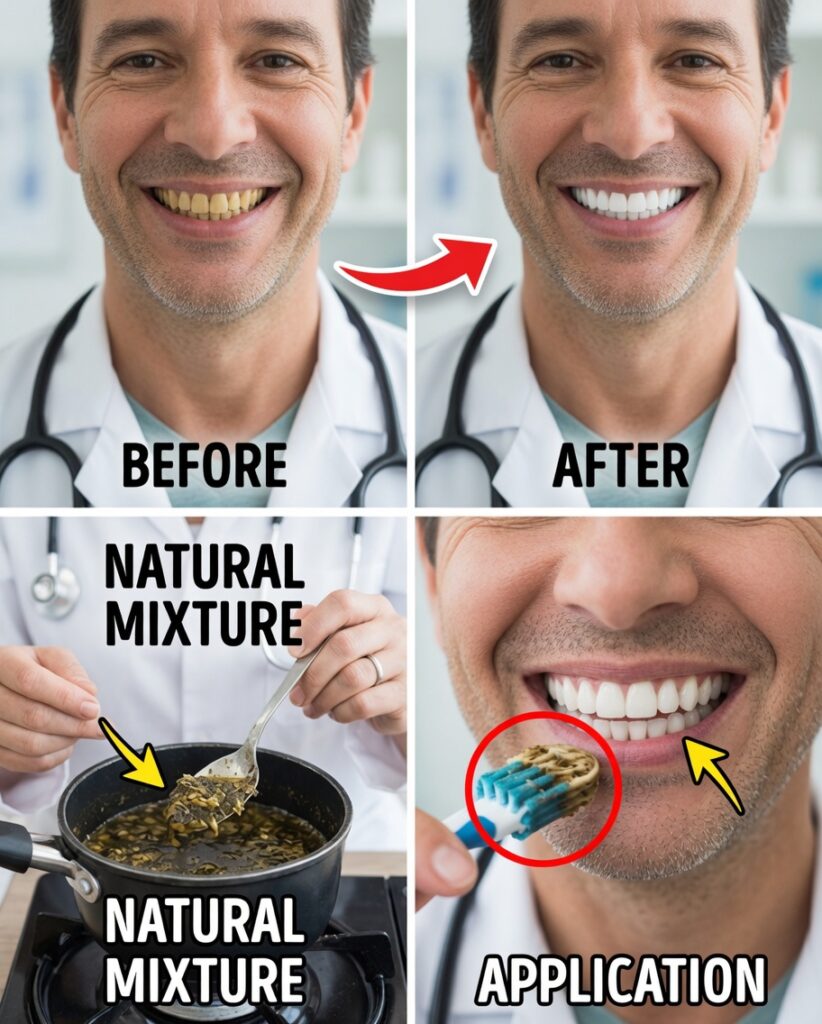
Yellow Teeth? This Herbal Rinse May Help Reduce Stains and Support Oral Health Naturally
Have you noticed how teeth often lose their brightness little by little over the years? Morning coffee, afternoon tea, a glass of wine, and certain foods can all leave subtle marks day after day. Then one day, you realize your smile doesn’t look as luminous as it used to.
What if there were a simple, gentle, natural way to support a fresher-looking smile at home? Keep reading—below you’ll find an easy herbal mouth rinse recipe that can help you maintain healthier-looking teeth and a cleaner mouth.
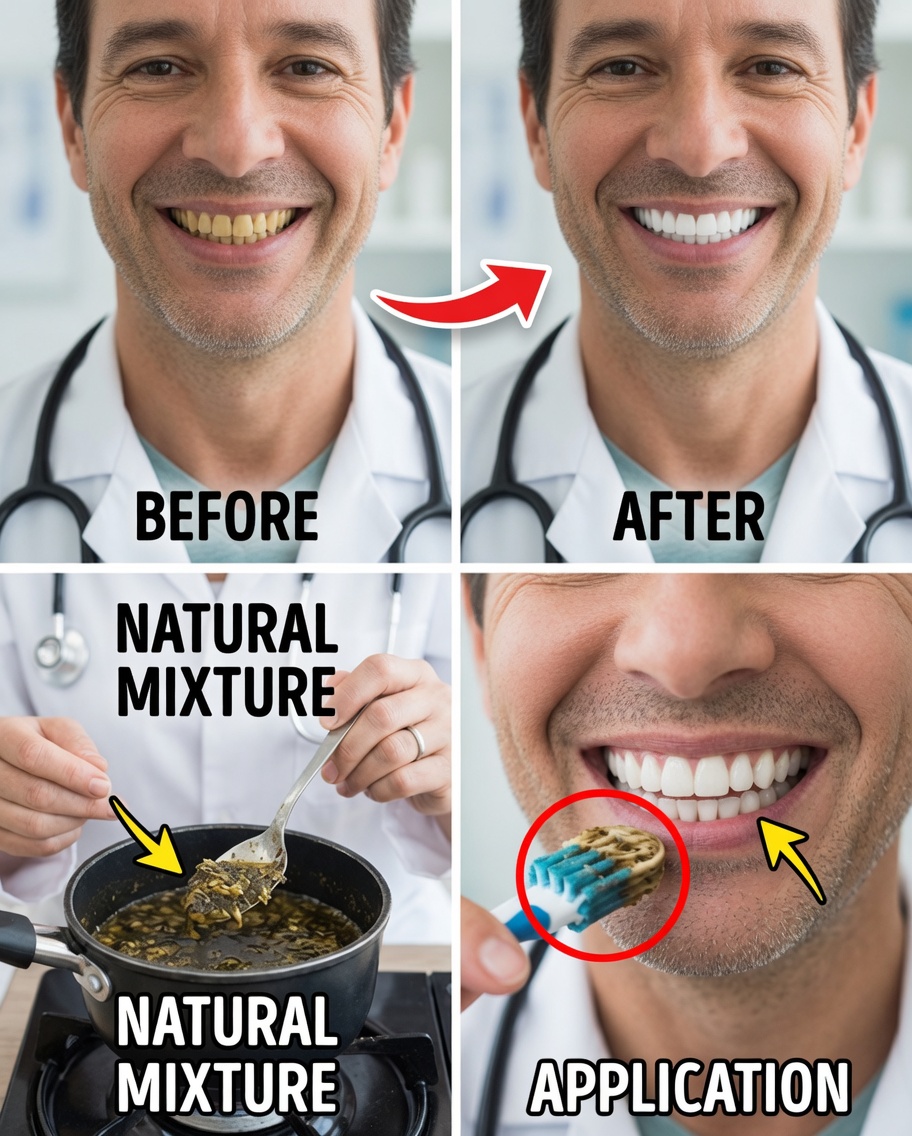
Why Teeth Become Stained Over Time
Tooth discoloration commonly happens because of compounds called chromogens, found in many drinks, foods, and tobacco. These pigments can cling to the tooth enamel and gradually build up.
Aging can also play a role. As enamel naturally becomes thinner over time, the underlying dentin (which is more yellow in tone) becomes more visible—making teeth appear less white overall.
The encouraging part: surface stains can often be softened with consistent, gentle care. Research suggests that some natural ingredients with mild polishing effects may help lift residue when used carefully and in moderation.
Popular Natural Ingredients for a Brighter-Looking Smile
Many people explore natural oral care options to freshen breath and reduce surface buildup. Common examples include:
- Baking soda: May help remove surface stains, but should be used sparingly to avoid enamel wear.
- Activated charcoal: Known for adsorption properties, though frequent use is still debated.
- Turmeric: Popular for anti-inflammatory benefits despite its strong color.
- Herbs such as clove, sage, and mint: Traditionally used to freshen breath and support gentle cleansing.
Important: Overusing abrasive or acidic methods can weaken enamel and increase sensitivity.
What Works Safely: Focus on Consistency, Not Quick Fixes
The most reliable approach isn’t an instant whitening trick—it’s a steady routine that protects enamel and reduces staining over time. Key habits include:
- Brush twice daily with fluoride toothpaste
- Floss regularly
- Rinse your mouth with water after stain-prone foods and drinks
- Avoid frequent use of harsh abrasive methods
Some people also add simple, natural practices such as:
- Oil pulling with coconut oil
- Eating crunchy fruits and vegetables (like apples and carrots), which can support natural cleansing through chewing
Natural Herbal Mouth Rinse Recipe (Sage, Clove, and Mint)
This easy homemade herbal rinse is designed to support oral hygiene and a fresh feeling without harsh ingredients.
Ingredients
- 1 teaspoon dried sage leaves
- ½ teaspoon cloves
- A small handful of fresh mint leaves (or 3–4 drops of food-grade peppermint essential oil)
- 2 cups boiling water
How to Make It
- Place the herbs in a heat-safe container.
- Pour boiling water over the herbs.
- Let it steep for 15–20 minutes.
- Strain and allow it to cool completely.
- Store in the refrigerator for up to 1 week.
How to Use
After brushing, swish 1–2 tablespoons for 30–60 seconds, then spit it out (do not swallow). Use 1–2 times daily.
Sage and clove are often used to support oral cleanliness, while mint adds a naturally refreshing finish.
Tips to Keep Your Smile Looking Brighter
- Choose a soft-bristled toothbrush and brush gently
- Limit heavily pigmented drinks—or use a straw when appropriate
- Eat calcium-rich foods to support tooth structure
- Schedule regular professional cleanings with your dentist
Conclusion
Caring for your smile doesn’t have to be complicated. Small daily habits—plus gentle, natural ingredients—can make a noticeable difference over time. Try adding this herbal rinse to your routine and track results with patience and consistency.
Your smile is worth the care.
FAQ
Is it safe to use natural mouth rinses every day?
Generally yes, as long as the ingredients are safe, the rinse is not swallowed, and you stop if irritation occurs.
How long does it take to see results?
Changes are gradual and may take a few weeks, depending on your routine and staining habits.
Can this replace professional teeth whitening?
Not completely. Natural methods may help with maintenance and surface stains, but they don’t replace dental treatments.
Disclaimer: This content is for informational purposes only and does not replace professional medical or dental advice. Consult a dentist before starting new oral care methods, especially if you have sensitivity or existing oral health concerns.