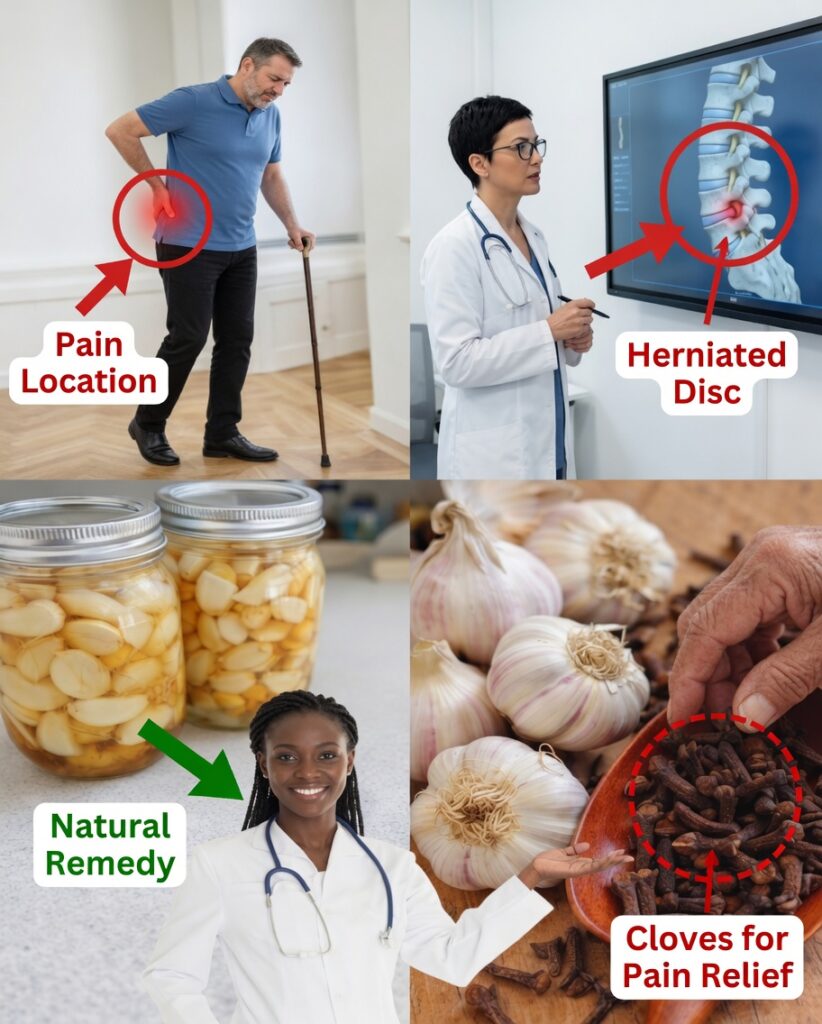
Joint Pain and Achy Legs? A Natural Approach to Reduce Inflammation and Restore Mobility
That nagging leg soreness after a long day—or the morning joint stiffness that makes it hard just to get out of bed—sounds familiar? Many people live with this discomfort quietly, whether it comes from standing too long, day-to-day wear and tear, or simply aging. Over time, it can drain your energy, restrict movement, and take the joy out of simple daily activities.
The good news: there are straightforward, natural, and effective ways to ease joint pain and leg discomfort. Read to the end for one surprisingly overlooked daily tweak that can make a real difference.
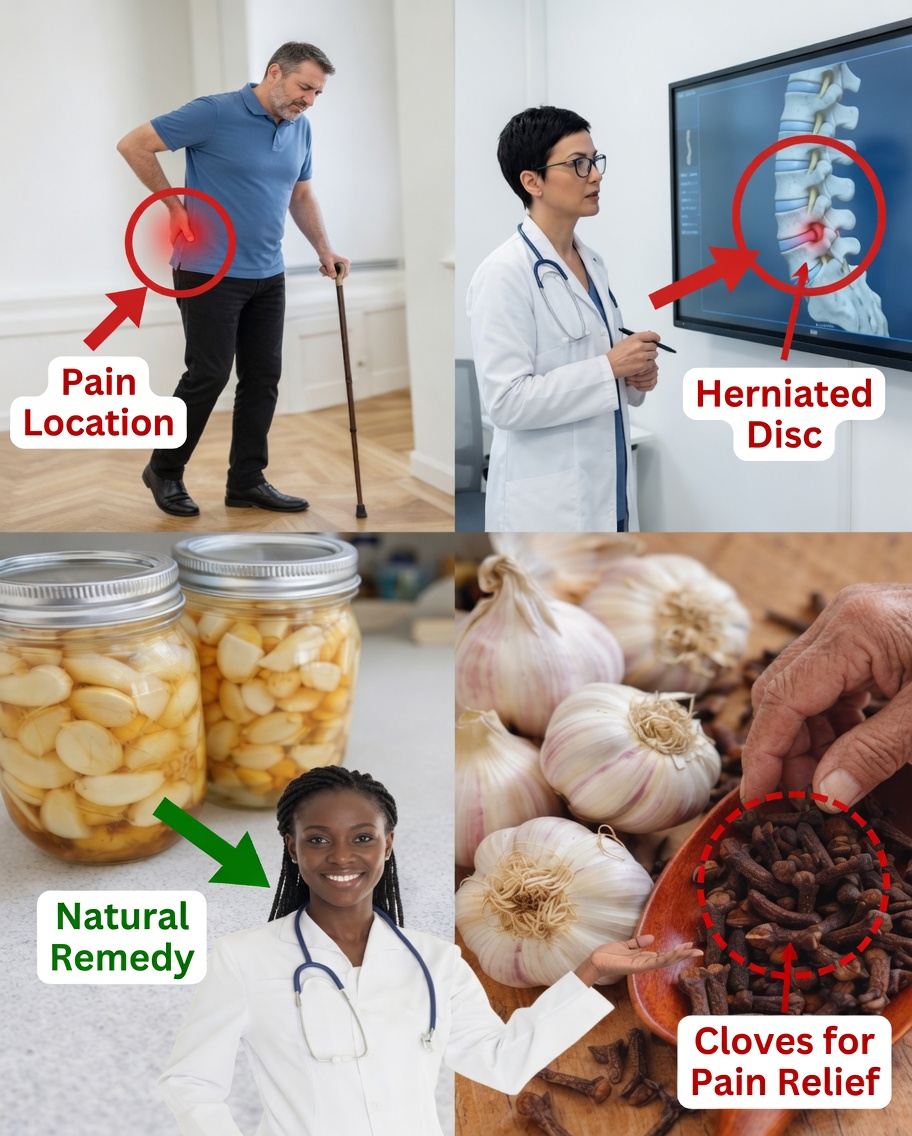
Why Leg and Joint Pain Is So Common
Leg aches and joint discomfort rarely come from a single cause. Most often, they’re linked to a mix of factors, including:
- Muscle fatigue after activity
- Poor circulation from prolonged sitting or standing
- Mild, ongoing inflammation
- Age-related stiffness and reduced flexibility
When you understand what’s driving the discomfort, it becomes much easier to respond with natural strategies—without immediately relying on medication.
Gentle Movement: The Foundation of Natural Relief
You don’t need intense workouts to feel better. In many cases, low-impact, consistent movement works best.
Try adding:
- Short walks: just 10–15 minutes daily can support circulation and loosen stiff joints
- Low-impact activities: such as swimming or water walking
- Light stretching: hold each stretch for 20–30 seconds without forcing it
The key is consistency. Within a few weeks, many people notice improved mobility and less daily discomfort.
Heat and Cold Therapy: Fast At-Home Comfort
This is one of the simplest and most effective home techniques.
- Heat helps relax muscles and boost blood flow
- Cold helps calm inflammation and reduce soreness
How to use it:
- Apply a warm bath or warm compress for 15–20 minutes
- Use a cold pack for 10–15 minutes after physical effort
- Alternate heat and cold every 10 minutes if you want a combined effect
Done regularly, heat and cold therapy can noticeably change how your legs and joints feel throughout the day.
Nutrition and Hydration: Support Your Body from the Inside Out
What you eat and drink directly affects joint health and inflammation levels.
Helpful habits include:
- Drink at least 8 glasses of water per day
- Focus on anti-inflammatory foods like berries, leafy greens, omega-3-rich fish, and nuts
- Add natural ingredients such as turmeric and ginger to meals
- Consider cherries or tart cherry juice, which many people use for recovery support
Hydration is often overlooked, yet it’s essential for keeping muscles and joints functioning smoothly.
Self-Care That Works: Massage and Relaxation
Simple self-care can bring meaningful relief—especially when discomfort builds later in the day.
Try:
- Gentle leg massage for 5–10 minutes
- A warm bath with Epsom salt (about 1–2 cups)
- Relaxing practices like yoga or tai chi
These calming routines are especially helpful in the evening, when stiffness and aches often feel more intense.
Small Lifestyle Adjustments That Add Up
Minor daily choices can reduce strain on your legs and joints over time:
- Wear supportive, comfortable footwear
- Avoid staying in the same position too long
- Take short movement breaks throughout the day
Small habits, repeated consistently, often create big long-term improvements.
A Simple Plan You Can Start Today
Follow this easy routine and track how your body responds:
- Morning: water + light stretching
- Afternoon: a 10-minute walk
- Evening: warm bath with Epsom salt + gentle massage
- All day: stay hydrated and include turmeric or ginger in meals
After 7–10 days, pause and notice any changes in stiffness, mobility, and daily comfort.
Conclusion
Leg and joint pain doesn’t have to control your routine. With gentle movement, better nutrition, supportive self-care, and small daily adjustments, you can help your body recover naturally and effectively.
And here’s the overlooked “secret” many people miss: consistent hydration plus a relaxing nighttime routine can deliver surprisingly noticeable relief.
Important Notice
This content is for informational purposes only and does not replace medical advice. Consult a healthcare professional before starting any new practice—especially if you have existing medical conditions, are pregnant, or take medications.