
Natural Ways to Ease Bloating and Support Regular Digestion
Feeling puffed up, sluggish, or uncomfortable because of a bloated belly and irregular bowel habits is extremely common. That tight, stretched feeling in your abdomen is often the result of trapped gas, slowed digestion, or waste lingering in the intestines. When this happens, even simple tasks like bending down or wearing fitted clothing can become irritating.
The encouraging news: small, consistent changes to your daily habits and diet can noticeably improve digestive comfort and help your stomach feel flatter and lighter over time.
In this guide, you’ll discover practical, science-informed strategies to relieve bloating and encourage regularity — including a gentle, natural evening drink you can start using tonight. At the end, you’ll find a simple, step-by-step recipe many people use for overnight digestive support.

Understanding Bloating and Irregularity
Bloating usually comes from excess gas building up in the digestive tract. Irregularity, such as occasional constipation, occurs when stool travels too slowly through the intestines. These two problems often go hand in hand: when transit time slows, food has more time to ferment, creating more gas and discomfort.
Common contributors include:
- Low fiber intake
- Not drinking enough fluids
- Long periods of sitting or inactivity
- Certain gas-forming foods that ferment easily in the gut
Research from organizations like Harvard Health and the Mayo Clinic shows that addressing these factors through simple lifestyle shifts can significantly improve how your gut feels day to day.
Simple Lifestyle Habits for Better Gut Health
Before focusing on specific foods or supplements, it helps to build a solid foundation with basic habits that support healthy digestion and reduce bloating.
- Eat slowly and mindfully to limit the amount of air you swallow.
- Stay hydrated by sipping water regularly throughout the day (around 8 glasses is a common target, adjusting to your needs).
- Add gentle movement, such as a short walk after meals, to encourage intestinal motility.
- Manage stress, since anxiety and tension can slow digestive processes and worsen symptoms.
For many people, these basic changes alone reduce that heavy, gassy feeling. When you combine them with smart food choices, the effect can be even more noticeable.
Foods and Nutrients That Help Reduce Bloating
Fiber is one of the most important nutrients for regular bowel movements and long-term digestive health. Both main types of fiber play a role:
- Soluble fiber helps soften stool by absorbing water.
- Insoluble fiber adds bulk and helps stool move more efficiently through the intestines.
Increase fiber gradually so your gut has time to adjust and you don’t worsen bloating in the short term.
Some fiber-rich foods that support comfort and regularity include:
- Fruits such as apples (with the peel), pears, and berries — rich in pectin and other compounds that support smooth, regular bowel movements.
- Vegetables like leafy greens, broccoli, and carrots for additional volume and fiber.
- Whole grains such as oats and whole wheat to provide steady, filling fiber.
- Legumes (beans, lentils, chickpeas) in moderate portions once your system is accustomed to them.
- Prunes or prune juice, which studies show can help normalize stool consistency due to their combination of fiber, sorbitol, and polyphenols.
Randomized trials suggest that prunes can improve stool frequency and ease passage for many people without the harsher effects associated with some stimulant laxatives.

Herbal Aids for Digestive Comfort
Certain herbs have been used for centuries to calm the digestive system, and modern research supports their role as part of a broader gut health routine:
- Ginger – may gently stimulate digestion and help ease feelings of fullness or discomfort.
- Peppermint – often used to relax intestinal muscles and reduce gas-related cramping.
- Fennel and chamomile – commonly consumed as teas to soothe the gut and promote relaxation.
Reviews of herbal remedies indicate these plants may help reduce bloating and gas when used alongside a balanced diet and healthy lifestyle habits.
Why a Gentle Evening Routine Can Help
Your digestive system continues working while you sleep. Creating a calming evening routine that supports digestion can lead to a lighter, more comfortable feeling the next morning.
A warm, simple drink before bed can:
- Provide hydration
- Deliver gentle digestive-supporting ingredients
- Encourage relaxation as part of your nighttime ritual
Many people notice they feel less heavy or bloated in the morning after consistently using a soothing evening drink. Individual responses vary, but it can be a helpful tool in your overall digestive wellness plan.
A Simple Evening Drink for Digestive Support
This easy recipe relies on widely available ingredients known for their mild, supportive effects on digestion. It’s not a quick cure, but it can be a comforting way to nourish your body and encourage smoother bowel movements overnight.
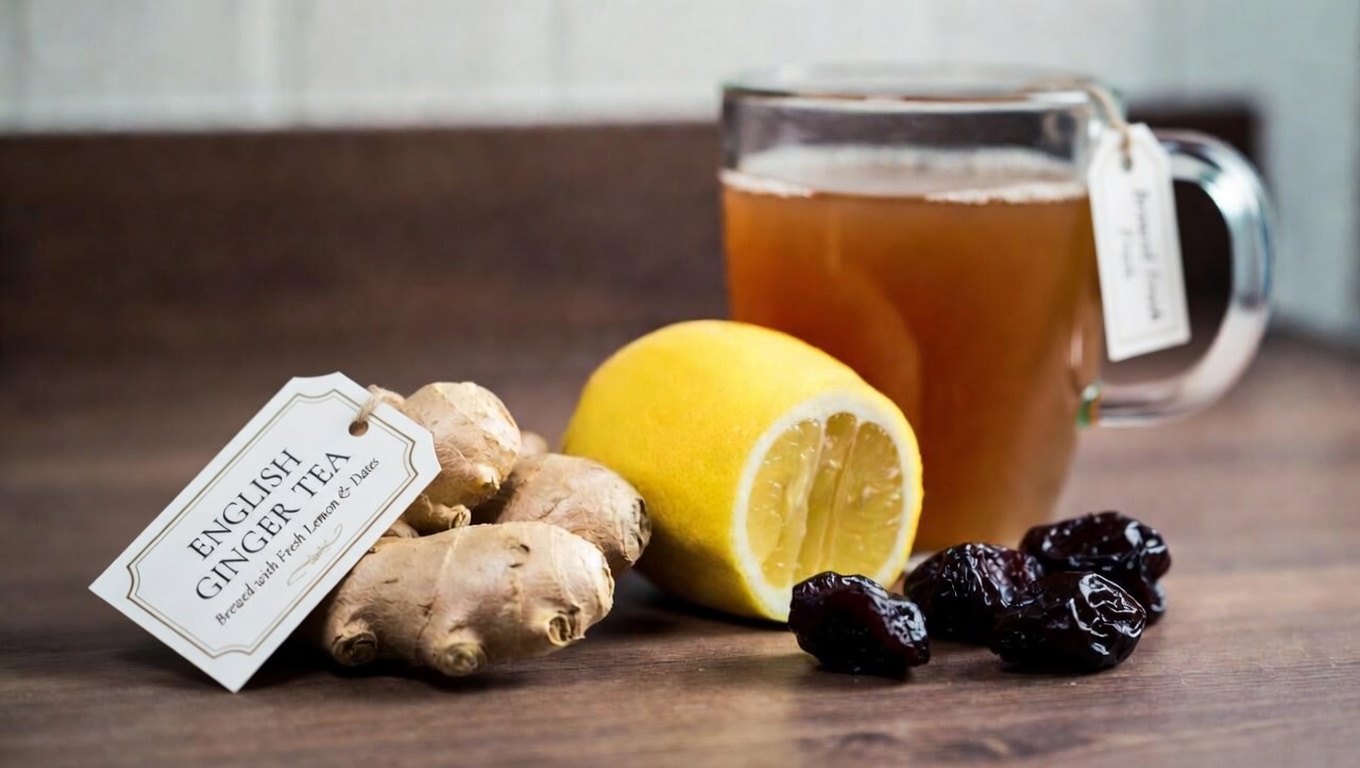
Ingredients (1 serving)
- 1 cup warm water (comfortably warm, not boiling)
- Juice of ½ fresh lemon
- 1-inch piece of fresh ginger, grated or thinly sliced
- 4–5 dried prunes
- or ½ cup prune juice as an alternative
- Optional: a pinch of cinnamon or 1 teaspoon honey for flavor
Directions
-
Prepare the prunes
- If using dried prunes, soak them in warm water for 10–15 minutes to soften.
- After soaking, chop them finely or blend lightly.
-
Combine the base
- Add the grated or sliced ginger and fresh lemon juice to your cup of warm water.
-
Add prunes or prune juice
- Stir in the softened prunes (or prune juice).
- Let the mixture sit for about 5–10 minutes so the flavors infuse.
-
Drink slowly
- Sip the drink in the evening, about 1–2 hours before bedtime.
-
Start gently
- If you’re new to these ingredients, begin with smaller amounts and see how your body responds.
This drink brings together:
- Hydration from water
- Vitamin C and acidity from lemon
- Anti-inflammatory compounds from ginger
- Natural fiber and sorbitol from prunes
Research connects these elements with smoother digestion and improved bowel regularity in many individuals.
Extra Tips to Boost Your Digestive Routine
For more reliable bloating relief and regularity, consider adding these strategies:
- Increase fiber slowly, giving your gut time to adapt.
- Track your patterns with a simple food and symptom journal to identify personal triggers.
- Include probiotic-rich foods such as yogurt, kefir, sauerkraut, or kimchi to support a healthy gut microbiome.
- Avoid heavy, late-night meals, which can worsen bloating and discomfort before bed.
Quick Comparison: Fiber Sources for Regularity
| Food / Item | Approx. Fiber per Serving | Key Benefit |
|---|---|---|
| ½ cup prunes | 6–7 g | Natural sorbitol plus fiber |
| 1 medium apple (skin) | ~4 g | Pectin helps soften stool |
| ½ cup cooked oatmeal | ~4 g | Soluble fiber adds gentle bulk |
| 1 cup broccoli | ~5 g | Insoluble fiber supports movement |
| Handful of berries | 4–8 g | Antioxidants with gentle, varied fiber |
Using a mix of these foods throughout the week can help maintain regular bowel habits and reduce the likelihood of uncomfortable bloating.
Conclusion
Occasional bloating and irregular bowel movements don’t have to control your day. By focusing on:
- Consistent hydration
- Regular movement
- Mindful, slower eating
- Fiber-rich, gut-friendly foods
- Gentle helpers like herbal teas and a soothing evening drink
you can support your digestive system naturally and promote a more comfortable, flatter-feeling abdomen.
Consistency matters. Give these changes a few weeks, observe how your body responds, and adjust as needed.
Frequently Asked Questions
How long do natural changes take to reduce bloating?
Many people begin noticing some relief within a few days to a week once they increase hydration and gradually add more fiber. However, the most noticeable benefits often build over 2–4 weeks of consistent habits.
Is it safe to drink prune-based mixtures every night?
For most healthy adults, moderate daily use is considered safe. However, prunes and prune juice can loosen stools if you consume too much too quickly. Increase slowly, pay attention to your body’s response, and adjust the amount as needed.
What should I do if bloating continues despite these tips?
If bloating, pain, or irregularity persists, worsens, or is accompanied by other concerning symptoms (such as weight loss, blood in the stool, or severe discomfort), speak with a healthcare professional. They can check for underlying conditions and guide you toward the most appropriate treatment.