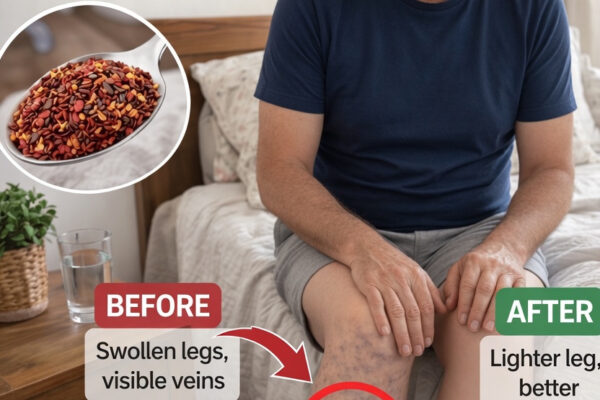
Natural Herbs That May Support Healthy Blood Circulation in the Legs
Many people notice leg discomfort from time to time, including heaviness, slight swelling, or tired legs after long hours of standing or sitting. These common sensations are often linked to everyday causes such as limited movement, aging, and modern routines that involve too much inactivity. Although these issues are widespread, leaving them unaddressed may gradually affect daily comfort, mobility, and overall energy.
The encouraging news is that certain herbs may naturally help support better circulation when combined with healthy lifestyle habits.
What makes this especially interesting is that some of the most researched herbs for circulation are already found in many kitchens. Even better, using them correctly and safely may make a real difference in how your legs feel. Below, you’ll discover the top herbs associated with circulation support, what research says about them, and simple ways to use them at home.

Why Good Circulation Is Important for Leg Comfort
Healthy blood circulation helps deliver oxygen and nutrients throughout the body while also assisting in the removal of waste products. When circulation in the lower body becomes less efficient, it may contribute to familiar feelings such as leg fatigue, puffiness, and a heavy sensation.
Research shows that lifestyle choices, especially diet and physical activity, can influence vascular health. Herbs that contain beneficial plant compounds may offer supportive effects by helping blood vessels relax and by easing everyday inflammatory stress.
Scientists have also examined how certain plant-based compounds affect blood vessel function. Some evidence suggests they may help support the endothelium, the inner lining of blood vessels that plays a key role in regulating blood flow.
Best Herbs for Circulation Support
Several herbs have drawn attention in scientific studies for their possible benefits for blood flow and vascular function. Here are some of the most well-known options.
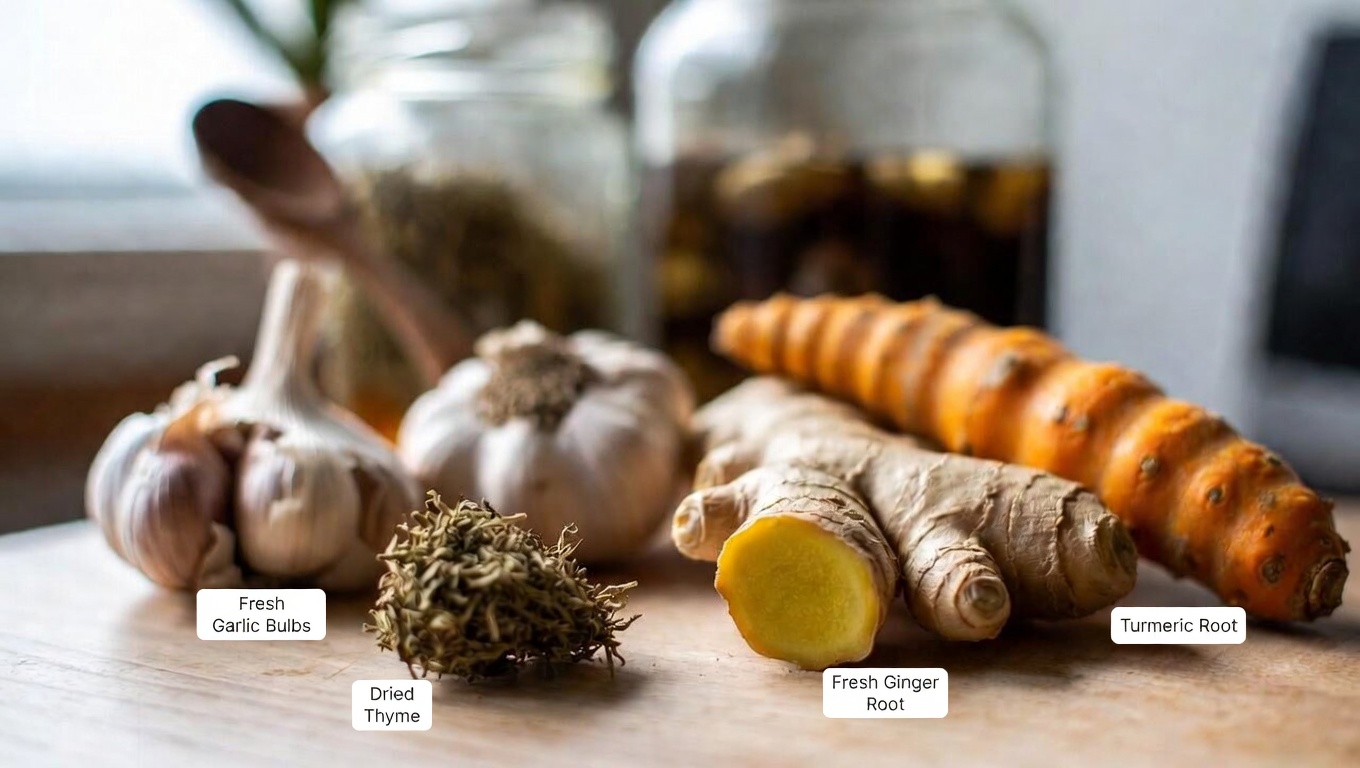
1. Ginger (Zingiber officinale)
Ginger is widely recognized for its warming effect, which many people find comforting. Its active compounds, including gingerols, may help promote blood vessel relaxation and support the body’s natural anti-inflammatory response. Reviews of research suggest ginger may contribute to improved circulation by influencing blood pressure and vessel flexibility.
How to use it safely:
- Add 1 to 2 inches of fresh grated ginger to hot water for tea
- Mix fresh ginger slices into soups, stir-fries, or other meals
- Begin with a small amount to see how your body reacts
2. Turmeric (Curcuma longa)
Turmeric contains curcumin, a compound that has been extensively studied for its antioxidant and anti-inflammatory effects. Research suggests curcumin may help maintain healthy blood vessel function and support overall circulation.
Helpful tip:
- Combine turmeric with black pepper to improve absorption
- Add it to curries, smoothies, soups, or golden milk
3. Garlic (Allium sativum)
Garlic has long been valued in traditional health practices, especially for heart and vascular support. Its sulfur-containing compounds, particularly allicin, have been linked in studies to blood vessel relaxation and improved circulation.
How to prepare it:
- Crush or chop fresh garlic and let it rest for about 10 minutes before cooking
- Use it in dressings, soups, roasted vegetables, or stir-fries
4. Cayenne Pepper (Capsicum annuum)
Cayenne contains capsaicin, a compound that may encourage nitric oxide production. Nitric oxide helps blood vessels relax, which may support smoother blood flow. Some evidence also suggests cayenne may promote warmth and circulation, especially in the hands and feet.
How to use it carefully:
- Add a small pinch to soups, teas, or savory dishes
- Start with a mild amount if you are sensitive to spicy foods
Other Herbs Studied for Leg Circulation
In addition to common kitchen herbs, other plant-based remedies have also been researched for circulation support, particularly in the legs.
Ginkgo Biloba
Ginkgo biloba has been studied for its potential role in supporting microcirculation. It may help improve blood flow in smaller vessels, which could be beneficial for overall vascular function.
Horse Chestnut Seed Extract
Horse chestnut seed extract has been noted in European research for its possible role in easing leg heaviness and supporting vein health. It is often discussed in relation to lower-leg comfort.
Easy Ways to Add Circulation-Supporting Herbs to Your Routine
Using these herbs daily does not need to be complicated. Here are a few simple ideas.
Make a Warm Herbal Tea
- Boil water
- Add fresh ginger slices, a pinch of turmeric, and one clove of garlic if desired
- Let the mixture steep for 5 to 10 minutes
- Strain and drink once or twice a day
- Add lemon or honey for a better flavor
Use Them in Everyday Meals
- Cook with garlic and ginger in stir-fries or roasted vegetables
- Sprinkle turmeric over grains, eggs, or soups
- Add a small dash of cayenne to savory dishes for extra warmth
Try Golden Milk
- Heat dairy or plant-based milk gently
- Stir in 1/2 teaspoon of turmeric
- Add a pinch of black pepper and a little ginger
- Simmer briefly and enjoy, especially in the evening
What Research Says About These Herbs
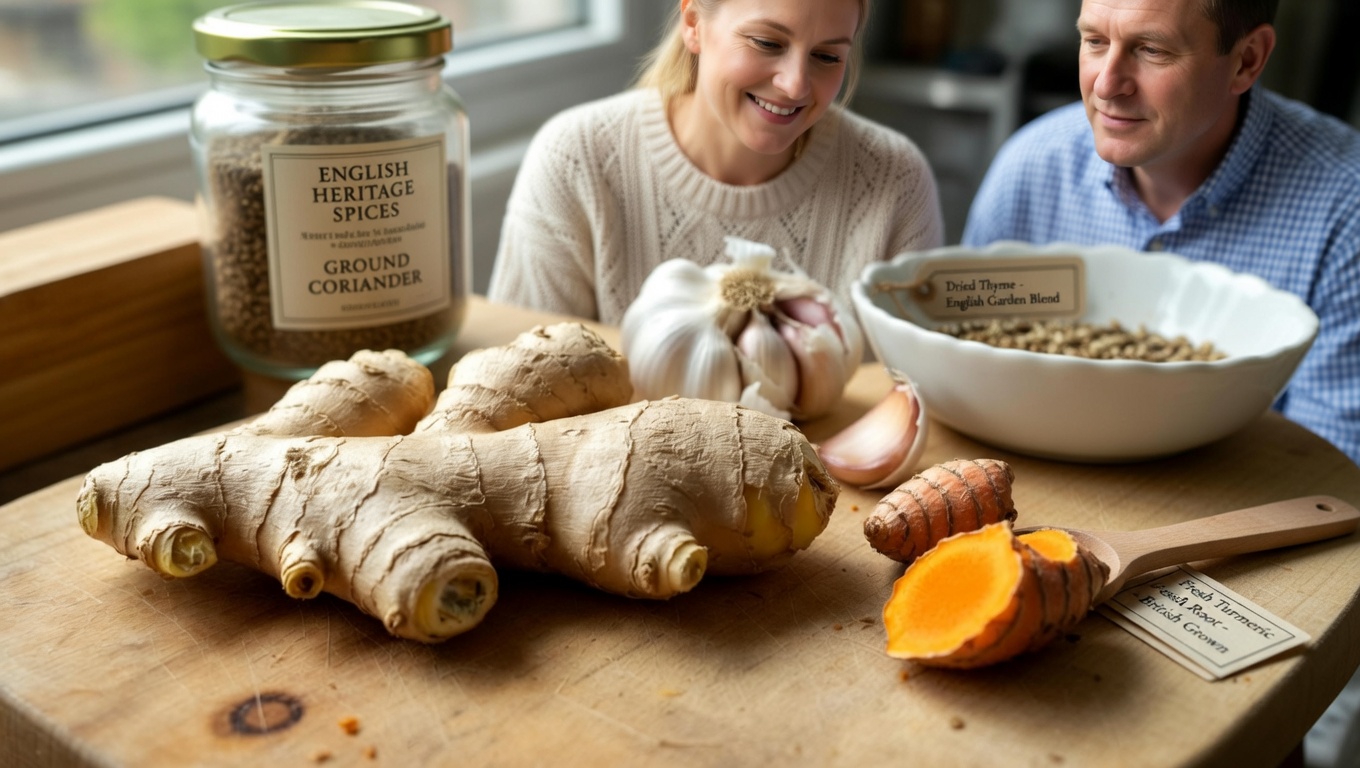
Many scientific reviews focus on the active compounds found in herbs such as curcumin, gingerols, and allicin. These natural substances may support circulation in several ways, including:
- Providing antioxidant protection
- Supporting blood vessel health
- Encouraging normal vessel relaxation
- Helping reduce mild inflammatory stress
Even though the findings are promising, results can vary from person to person. Larger and more detailed studies are still needed. These herbs should be seen as supportive tools rather than complete solutions on their own.
Lifestyle Habits That May Improve Circulation Naturally
Herbs often work best when paired with healthy daily habits. To support better blood flow in your legs, consider the following:
- Stay active: Walking for 30 minutes a day can help encourage healthy leg circulation
- Elevate your legs: Raising your legs while resting may assist blood flow back toward the heart
- Drink enough water: Hydration supports circulation throughout the body
- Choose comfortable clothing: Avoid tight clothing around the legs that may restrict flow
Frequently Asked Questions
Can herbs replace medical treatment for circulation problems?
No. Herbs may offer gentle support, but they are not a substitute for professional medical advice or treatment. If symptoms continue or worsen, speak with a healthcare provider.
Are there any precautions when using these herbs?
Yes. Some herbs may interact with medications, including blood thinners. Start with small amounts, watch for any reactions, and consult your doctor if you have a medical condition or take prescription drugs.
How long does it take to notice results?
This varies from person to person. Some individuals may notice a warming sensation or reduced leg heaviness after a few weeks of consistent use. For best results, combine herbs with movement, hydration, and other healthy habits.
Final Thoughts
Certain herbs may help support healthy circulation in a gentle and natural way when used carefully. Ginger, turmeric, garlic, and cayenne are among the most studied options, and they can be easily included in daily meals or drinks. While they are not a cure for circulation concerns, they may be a helpful part of a balanced lifestyle focused on leg comfort and vascular health.