Natural Relief for Water Retention with Parsley and Lemon
Excess fluid retention can lead to swelling in different areas of the body—especially in the hands, ankles, and feet—often causing discomfort or even pain. Many people turn to natural diuretics, such as parsley and lemon, to help the body release trapped water and support healthy fluid balance.
Below is a simple way to use these ingredients to help ease swelling and support overall wellness.
Why Choose Parsley and Lemon?
Parsley
Parsley is far more than a decorative herb:
- Natural diuretic: Parsley can help stimulate urine production, encouraging the body to excrete extra fluid and reduce bloating and puffiness.
- Rich in nutrients: It is packed with antioxidants and key vitamins such as vitamin C, vitamin A, and vitamin K, all of which support kidney function, immune health, and general well-being.
Lemon
Lemon is another powerful ally for fluid balance:
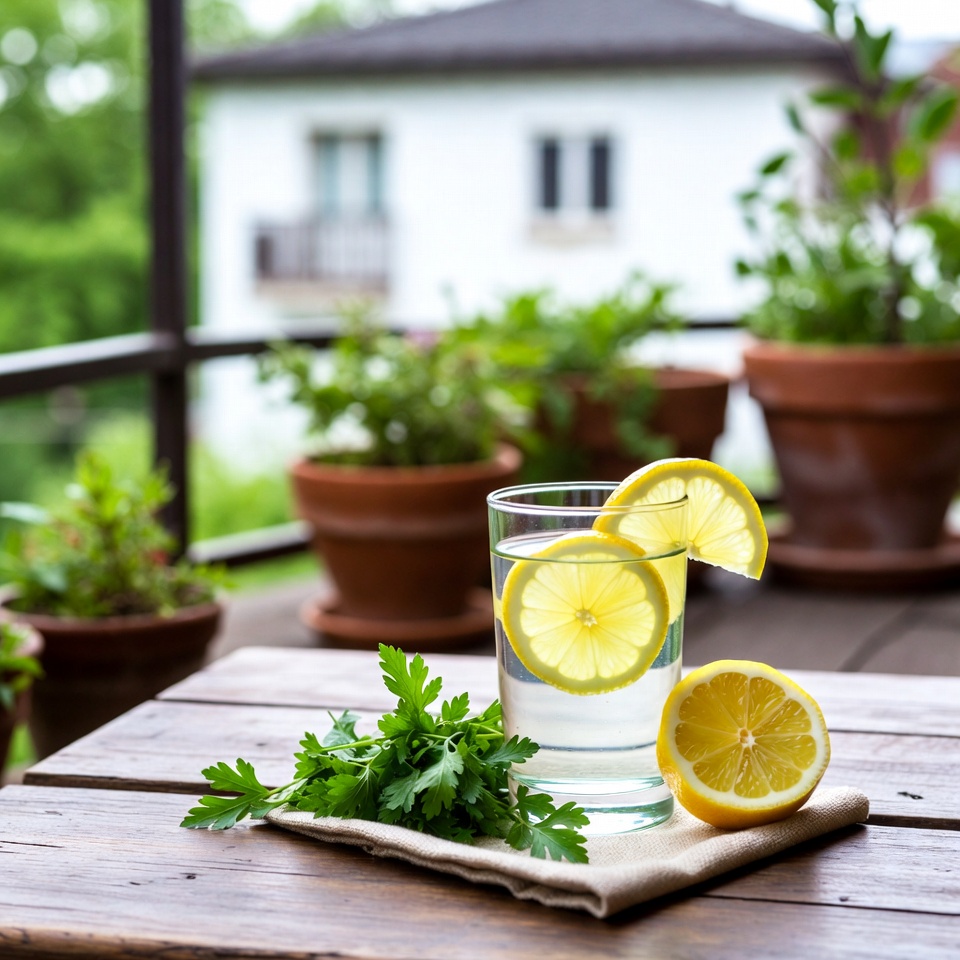
- Detox and digestion support: Lemon helps support liver function and digestion, which can indirectly assist the body in managing fluids more effectively.
- High in vitamin C: Its strong vitamin C content helps boost the immune system and can improve nutrient absorption, potentially helping to reduce inflammation and swelling.
How to Use Parsley and Lemon for Water Retention
A simple herbal tea made from parsley and lemon is an easy way to incorporate these ingredients into your daily routine.
Ingredients
- 1 bunch of fresh parsley
- 1 lemon
- 1 liter of water
Preparation: Parsley and Lemon Tea
- Bring 1 liter of water to a boil.
- Finely chop the fresh parsley.
- Add the chopped parsley to the boiling water.
- Reduce the heat and let the mixture simmer for about 10 minutes.
- Turn off the heat and squeeze the juice of one lemon into the pot.
- Strain the liquid to remove the parsley.
- Enjoy the tea warm or let it cool and drink it chilled.
Suggested Daily Intake
- Drink 1–2 cups per day.
- Having a cup in the morning may help jumpstart digestion and enhance the tea’s natural diuretic effects.
Additional Tips to Help Reduce Water Retention
To maximize results and support overall fluid balance, consider combining the tea with the following lifestyle habits:
- Stay well hydrated: Drinking enough water actually helps reduce water retention. When the body is dehydrated, it tends to hold on to fluids.
- Exercise regularly: Movement helps promote circulation and supports the lymphatic system, which plays a key role in reducing swelling.
- Cut back on salt: A high-sodium diet can trigger the body to retain more water. Reducing salt intake can help prevent excess fluid buildup.
- Elevate your legs: If you experience swelling in your feet, ankles, or lower legs, elevating them can improve blood flow and help fluid drain more effectively.
Precautions and Safety Considerations
While parsley and lemon are generally safe when used in moderation, there are some important points to keep in mind:
- Possible side effects: Overconsumption may cause digestive discomfort or aggravate existing kidney issues in susceptible individuals.
- Pregnancy considerations: Pregnant women should seek medical advice before consuming large amounts of parsley, as it may affect hormonal balance and uterine activity.
- Consult your healthcare provider: If you have underlying health conditions, take medications, or plan to use natural remedies regularly, it’s wise to discuss this with a healthcare professional first.
Conclusion
Parsley and lemon offer a simple, natural approach to managing water retention and easing swelling. Their diuretic, detoxifying, and nutrient-rich properties support healthy fluid balance while providing additional benefits for overall health.
By integrating parsley and lemon tea into your routine—alongside good hydration, regular movement, and a balanced diet—you may notice a gradual improvement in how your body handles excess fluid. Enjoy this gentle remedy as part of a holistic approach to your well-being.