
Mulberry Leaves for Blood Sugar, Cholesterol, and Circulation Support
Many people find it difficult to stay energized after meals, manage cholesterol levels, or maintain healthy circulation in the middle of a fast-paced lifestyle. These issues are often connected to modern eating habits, especially diets packed with refined carbohydrates and added sugars. Over time, those patterns can contribute to energy crashes, reduced concentration, physical discomfort, and concerns about long-term health.
The encouraging part is that small, plant-based choices may help support metabolic and cardiovascular wellness in a gentle way. One traditional option now drawing scientific attention is the mulberry leaf. Research is increasingly exploring how this humble leaf may assist with blood sugar balance, lipid health, and blood vessel function. Below, we’ll look at why mulberry leaves are becoming so popular and how you can start using them in practical, realistic ways.
Why Mulberry Leaves Are Getting So Much Attention
Mulberry leaves come from the Morus alba tree and have a long history of use in traditional wellness practices, especially across Asia. Today, modern research is taking a closer look at their impressive range of naturally occurring compounds.
A standout compound in mulberry leaves is 1-deoxynojirimycin (DNJ). This natural substance may help slow how quickly the body breaks down and absorbs carbohydrates during digestion. As a result, it may help reduce the sharp rise in blood sugar that often follows a carb-heavy meal.
Mulberry leaves also contain beneficial antioxidants, including flavonoids and polyphenols. These plant compounds may help protect cells from oxidative stress, which is part of everyday wear and tear linked to modern life.
In addition, scientific reviews have connected mulberry leaf intake with possible improvements in cholesterol levels and blood vessel health, making it especially interesting for people focused on heart-friendly nutrition.

How Mulberry Leaves May Support Healthier Blood Sugar Levels
For many adults, keeping blood sugar steady after meals is a major wellness goal. This is one of the main areas where mulberry leaves have shown promise in research.
Slower Carbohydrate Digestion
DNJ is believed to act as a gentle alpha-glucosidase inhibitor, which means it may slow the digestion of carbohydrates. This process can lead to a more gradual release of glucose into the bloodstream instead of a sudden spike.
In placebo-controlled studies, people who took mulberry leaf extract often showed lower post-meal glucose increases compared with those who did not.
Better Post-Meal Response
Some studies involving adults eating starch-rich foods found that compounds in mulberry leaves significantly reduced blood sugar elevation at important post-meal intervals, particularly around 30 and 60 minutes after eating.
Potential Long-Term Benefits
Longer study periods have also suggested that regular intake may be linked to modest improvements in markers such as:
- Fasting blood glucose
- HbA1c
- Overall glycemic response
Results can differ from person to person, but the pattern suggests that steady, moderate use may be more useful than occasional or excessive intake.
Practical Ways to Use Mulberry Leaves for Blood Sugar Support
If you want to try mulberry leaves, these simple methods are commonly mentioned in research and everyday use:
- Drink mulberry leaf tea by steeping dried leaves in hot water for 5 to 10 minutes
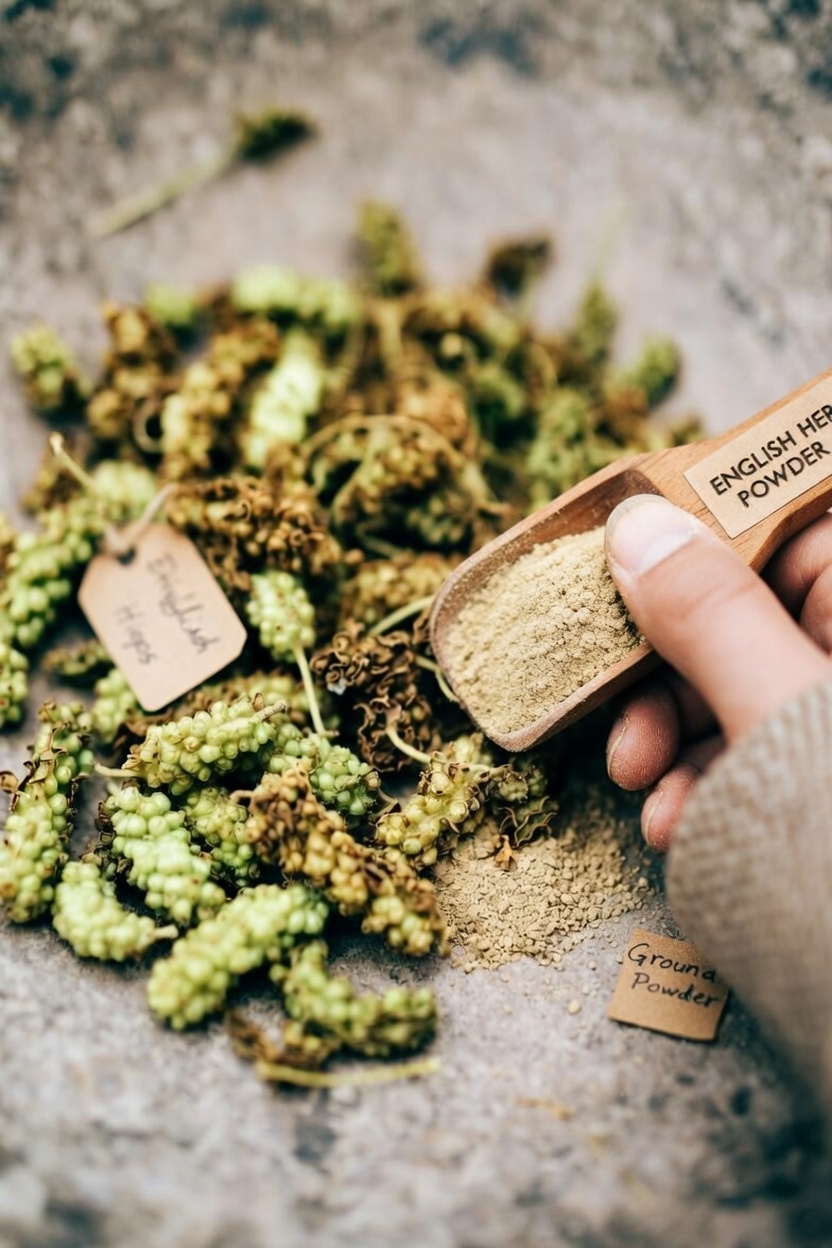
- Use mulberry leaf powder in smoothies, yogurt, or sprinkled over meals
- Take it around carbohydrate-rich meals when support may be most helpful
- Begin with a small amount and observe how your body responds
Consistency matters more than doing too much at once.

Mulberry Leaves and Their Potential Role in Cholesterol and Circulation
Metabolic health and heart health are closely connected, and mulberry leaves may offer support in both areas. Emerging evidence suggests they can help promote a healthier lipid profile.
Cholesterol Support
Studies in animals and humans have reported improvements in several important markers after regular use of mulberry leaf preparations, including reductions in:
- Total cholesterol
- LDL cholesterol
- Triglycerides
Some meta-analyses of randomized controlled trials have also found statistically meaningful improvements in these values, which adds weight to the growing interest in mulberry leaves as part of a heart-conscious routine.
Circulation and Blood Vessel Function
Mulberry leaf compounds may also help support circulation by encouraging better vascular relaxation and reducing oxidative stress that can affect blood vessel performance.
Animal studies have shown more balanced blood pressure responses in models with elevated levels. One possible reason is that mulberry leaves may influence enzymes involved in blood pressure regulation, including mechanisms similar to ACE inhibition.
The bigger message is simple: these benefits appear more effective when mulberry leaves are combined with healthy eating habits and regular physical activity.
Mulberry Leaves Compared With Other Heart-Friendly Foods
Many foods can support cardiovascular health, but mulberry leaves offer a distinct combination of properties.
- Oats: Well known for soluble fiber that can help lower cholesterol
- Green tea: Valued for catechins and antioxidant activity
- Berries: Rich in antioxidants and widely linked to cellular support
- Mulberry leaves: Notable for DNJ, which may help moderate carbohydrate absorption, along with polyphenols that support lipid balance and vascular function
Using a mix of beneficial foods is often the best approach for broad, long-term support.
Easy Ways to Add Mulberry Leaves to Your Day
If you’re curious about trying mulberry leaves, it does not have to be complicated. Here are a few practical ideas:
1. Start With Tea
Use 1 to 2 teaspoons of dried mulberry leaves per cup of hot water. Drinking 1 to 2 cups daily is a common starting point, especially before meals or alongside food.
2. Use Timing Strategically
Taking mulberry leaves near meals that contain carbohydrates may be especially helpful, since many studies examined intake in this context.
3. Pair Them With Balanced Meals
Mulberry leaves work best as part of a well-rounded plate that includes:
- Protein
- Vegetables
- Healthy fats
- Fiber-rich carbohydrates
This combination may further improve your post-meal response.
4. Pay Attention to Small Changes
You do not need detailed tracking. Simply notice whether your energy, digestion, or post-meal comfort feels different after several weeks of regular use.
5. Store Properly
Keep dried mulberry leaves in an airtight container, away from light and moisture, to help preserve freshness and quality.
These habits are simple, low-maintenance, and easy to fit into most lifestyles.
What Current Research Suggests
Overall, scientific reviews and meta-analyses of randomized controlled trials indicate that mulberry leaf consumption may improve several cardiometabolic markers, including:
- HbA1c
- Total cholesterol
- LDL cholesterol
- Triglycerides
- Inflammatory markers such as CRP
That said, mulberry leaves are not a miracle cure or a replacement for a healthy lifestyle. The strongest evidence supports their use as one part of a broader approach that includes nutritious food, movement, sleep, and consistency.
As more large-scale human studies are completed, our understanding of their long-term benefits will continue to improve.
Final Thoughts
Mulberry leaves are a simple, plant-based addition that may support both metabolic balance and cardiovascular wellness. Research suggests they may help reduce post-meal blood sugar spikes, improve cholesterol patterns, and contribute to healthier circulation when used regularly and thoughtfully.
Their appeal lies in their simplicity. A cup of tea, a spoonful of powder, or a small daily habit may offer gentle support that builds over time. In many cases, it is these manageable choices that create the most lasting results.
Frequently Asked Questions
How much mulberry leaf is commonly used in research?
Many studies examine doses of around 500 to 1000 mg of extract, or the equivalent amount in tea or whole leaves, taken 1 to 3 times per day, often with meals.
Are side effects common?
Some people may notice mild digestive effects at first, such as:
- Bloating
- Loose stools
- Stomach discomfort
These effects are usually temporary and may improve by lowering the dose or giving the body time to adjust.
Can mulberry leaves be used with an existing wellness routine?
Many people include them alongside their current habits. However, caution is important if you take medication for blood sugar, blood pressure, or related conditions, since interactions may be possible. Monitoring your response is a sensible step.