The Surprising Power of Mixing Vinegar and Baking Soda
Vinegar and baking soda are two of the most common household products, often used separately for cooking, cleaning, and DIY tasks. When combined, though, they create a fascinating chemical reaction that is not only fun to watch but also incredibly practical. Below is a closer look at what happens when vinegar and baking soda mix—and how you can use this reaction in everyday life.
What Happens When Vinegar and Baking Soda React?
Basic Chemistry
- Vinegar is a weak acid, known as acetic acid.
- Baking soda is a base, technically called sodium bicarbonate.
When these two substances are mixed, an acid–base reaction takes place. The result is:
- Sodium acetate
- Water
- Carbon dioxide gas (CO₂)
It’s the carbon dioxide gas that creates all the fizzing and bubbling.
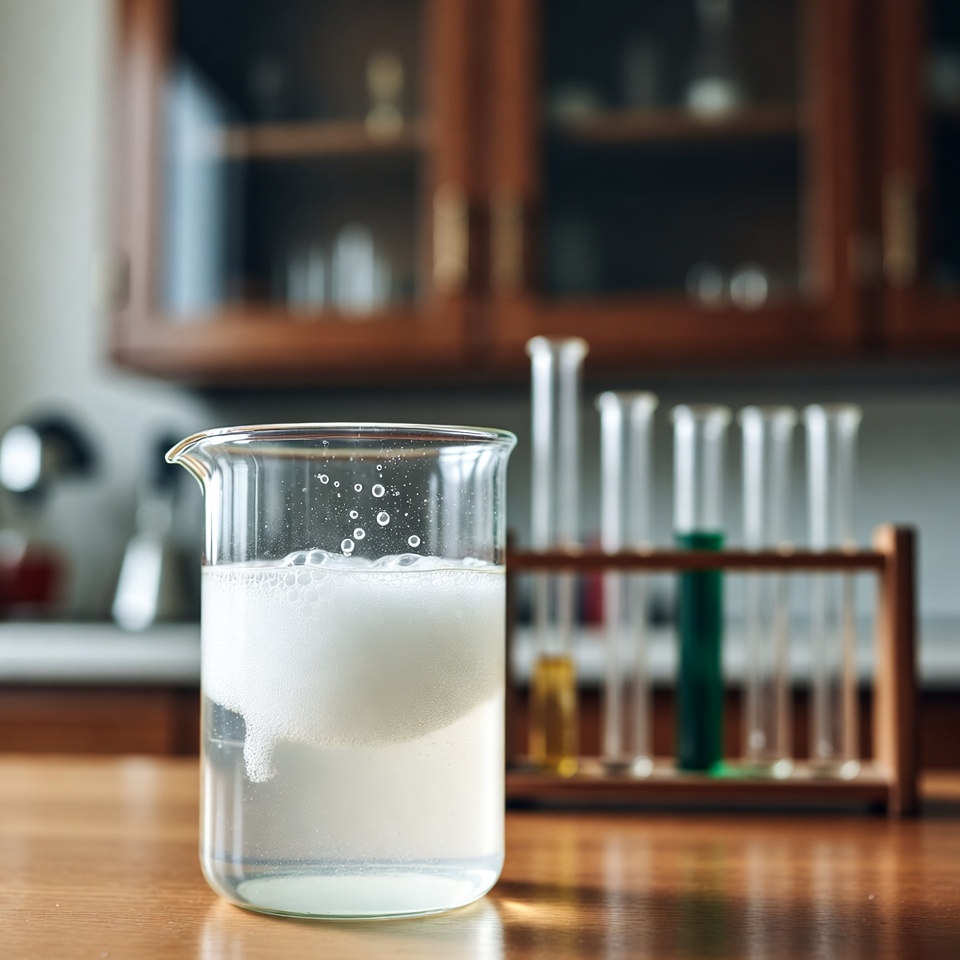
The Visible Effect
As the carbon dioxide is released, you see an energetic, foamy fizz. This bubbling action helps to:
- Loosen dirt and grime
- Lift stains
- Dislodge buildup in tight spaces like drains and crevices
This is why the vinegar and baking soda reaction is so useful for cleaning and other household applications.
Practical Uses of Vinegar and Baking Soda
1. Natural Cleaning Power
Drain Cleaner
The fizzing reaction can help break up residue and freshen drains.
- Pour about ½ cup of baking soda into the drain.
- Follow with ½ cup of vinegar.
- Cover the drain (with a plug or cloth) to keep the reaction contained and allow it to work on the buildup.
- Wait around 1 hour, then rinse with hot water.
This method can help reduce minor clogs and eliminate unpleasant odors.
Surface Cleaner
The combination works particularly well on:
- Soap scum
- Grease and oily residues
- Light mineral deposits
Use it on surfaces such as:
- Bathroom fixtures
- Kitchen stovetops
- Sinks and some countertops (avoid delicate materials like natural stone unless you know it’s safe)
Sprinkle baking soda on the surface first, then spray or dab vinegar over it and scrub as it fizzes.
2. Fun and Educational Science Experiments
Classic “Volcano” Demonstration
The vinegar and baking soda volcano is a popular way to demonstrate chemical reactions to children.
- Build a “volcano” out of clay, dough, or soil around a small container or cup.
- Put baking soda into the container.
- Mix vinegar with a few drops of food coloring (red is classic for “lava”).
- Pour the colored vinegar into the container and watch the foamy eruption.
This simple project is a great hands-on lesson in chemistry, gases, and reactions.
3. Baking and Cooking Uses
As a Leavening Agent
Vinegar and baking soda together can act as a substitute for yeast or baking powder in some recipes. When they react, the carbon dioxide gas:
- Creates bubbles in batters and doughs
- Helps baked goods rise and become light and airy
Tips:
- Mix them into the batter just before baking.
- Bake promptly so the gas doesn’t escape before it can do its job.
This method is especially useful in quick breads, pancakes, and certain cakes.
4. Neutralizing Unpleasant Odors
Homemade Deodorizer
The combination can help neutralize smells rather than just masking them.
You can:
- Place a bowl with baking soda and a small amount of vinegar in musty areas.
- Use the fizzing mixture to help remove odors from:
- Carpets (test a small area first)
- Fabric items
- Laundry (add baking soda and a bit of vinegar in the wash cycle, following machine guidelines)
As the reaction occurs, it helps absorb and neutralize odor-causing molecules.
How to Mix Vinegar and Baking Soda for Cleaning
For general household cleaning:
- Use a ratio of about 2 parts vinegar to 1 part baking soda.
- Start by applying baking soda to the area you want to clean.
- Slowly add vinegar to control the intensity of the reaction.
- Allow the mixture to fizz and work on the stain or buildup before scrubbing and rinsing.
Adjust quantities as needed depending on the size of the job.
Safety and Storage Tips
-
The reaction is generally safe for home use and educational activities, but:
- Keep the mixture away from your face and eyes.
- Supervise children when using it for experiments or cleaning.
-
Do not store the combined mixture in a sealed container.
- As carbon dioxide gas builds up, pressure can increase and potentially cause the container to burst.
Always mix what you need and use it right away for best results and safety.
Everyday Chemistry in Action
The vinegar and baking soda reaction is a simple yet powerful example of everyday chemistry at work. From unclogging drains and cleaning surfaces to baking and science projects, this duo offers a low-cost, eco-friendly solution for many common household tasks.
Try incorporating this reaction into your routine and see how much it can improve your cleaning, cooking, and learning experiences.