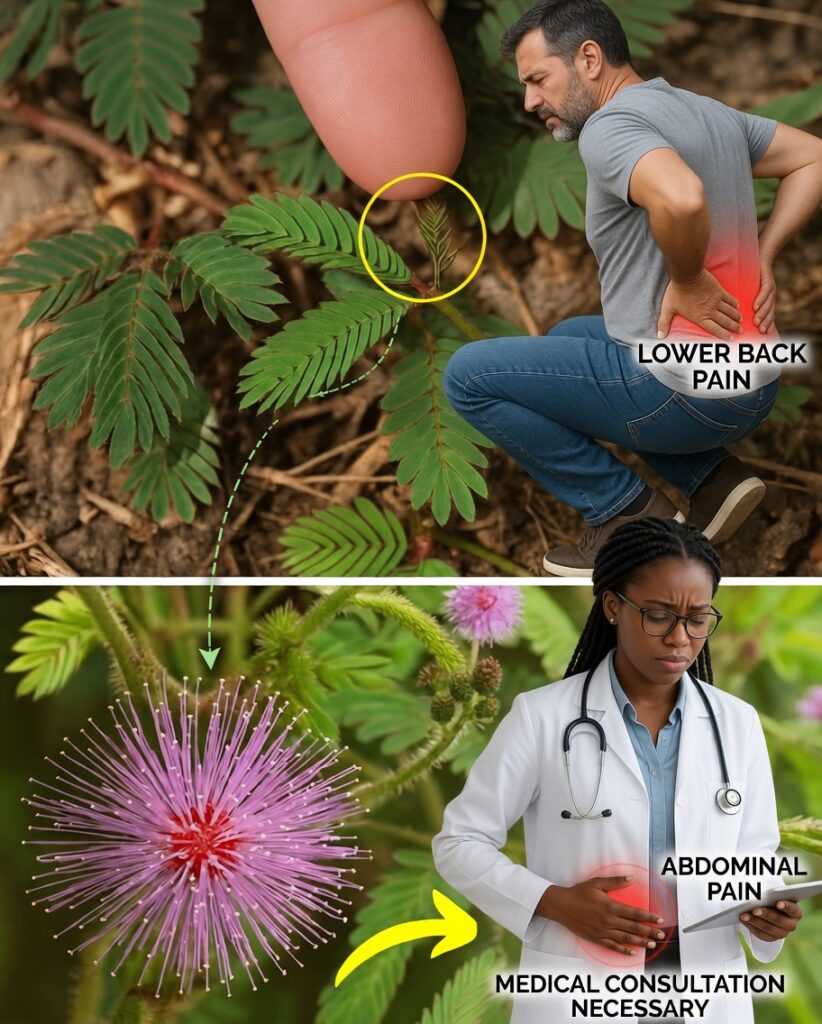
The “Shy” Plant That Folds When Touched—And Its Surprising Natural Health Potential
A small, delicate plant that instantly closes its leaves when you touch it can feel like a tiny magic trick of nature. That fascinating reaction belongs to Mimosa pudica, widely known as the sensitive plant (or “touch-me-not”). While it often grows like a roadside weed across tropical and subtropical regions, this humble plant has earned a long-standing reputation in traditional herbal practices for far more than its unusual movement.
For generations, communities across Asia, Africa, and South America have used Mimosa pudica in traditional medicine. Healers valued different parts of the plant—leaves, roots, and seeds—believing they could help support digestion, strengthen the body’s natural defenses, encourage skin recovery, and promote overall well-being.
So what makes Mimosa pudica more than just an interesting plant? And why are modern researchers paying closer attention to it today? Let’s explore what traditional knowledge and current interest suggest about this remarkable herb.
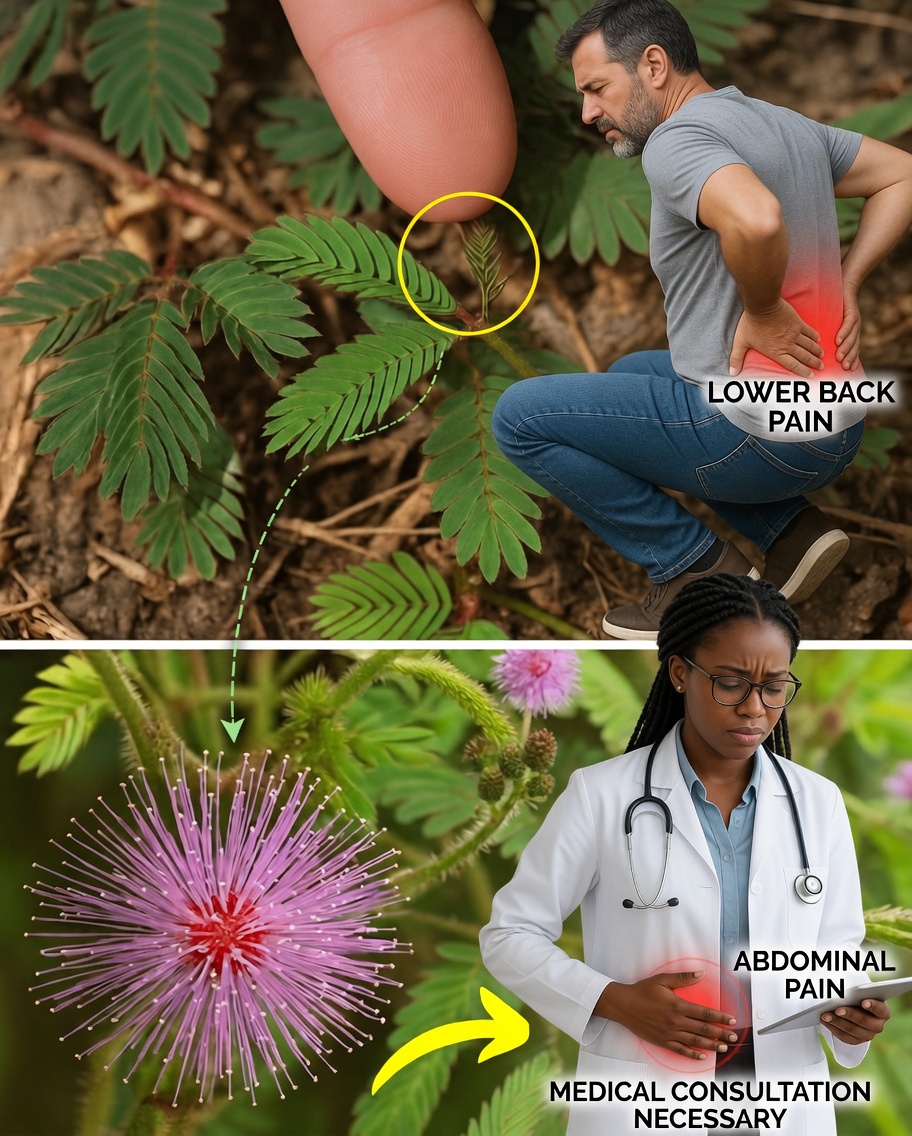
What Makes Mimosa Pudica Unique?
Mimosa pudica belongs to the Fabaceae family and is best known for its rapid “closing” response. This happens because the plant has specialized cells that react quickly to touch, vibration, temperature shifts, or other physical stimuli.
Beyond its signature movement, Mimosa pudica contains several bioactive compounds commonly discussed in herbal research, including:
- Alkaloids
- Flavonoids
- Tannins
- Glycosides
- Mimosine
These components are often studied for their potential antioxidant, anti-inflammatory, and protective roles in the body.
Traditional Benefits of Mimosa Pudica
1) Digestive Support and Gut Balance
In many natural health traditions, Mimosa pudica is used to ease occasional digestive discomfort. Certain compounds are described as having mild antimicrobial activity, which may help support a healthier intestinal environment.
A common traditional approach is a light tea made from dried leaves, taken in small amounts to soothe the stomach.
2) Natural Skin and Wound Care
Because Mimosa pudica contains tannins—known for their astringent properties—some rural communities traditionally apply the plant externally. Fresh leaves may be crushed and placed on:
- minor cuts
- insect bites
- mild skin irritation
This practice is intended to help keep the area clean and support the skin’s natural recovery process.
3) Naturally Calming Inflammation
The flavonoids in Mimosa pudica have been investigated for their possible role in helping the body manage inflammation. In certain herbal systems, topical preparations made from plant extracts are used to calm irritated skin.
4) Traditional Use in Women’s Health
In Ayurveda, Mimosa pudica is called Lajjalu and has been traditionally linked with supporting female reproductive health and helping maintain menstrual cycle balance. Scientific research is still developing in this area, but the long-standing cultural use highlights its importance in traditional medicine.
5) Possible Immune System Support
Mimosa pudica contains alkaloids and other plant compounds that may contribute to the body’s natural defense mechanisms. For this reason, some modern natural products include it in formulas designed for:
- gut support
- immune support
- overall wellness
6) Relaxation and General Well-Being
In some herbal traditions, mild infusions are included in calming tea blends, used to promote relaxation and help the body unwind after stress.
Common Traditional Ways to Use Mimosa Pudica
Herbal practitioners have historically used Mimosa pudica in multiple forms, including:
-
Tea/Infusion
- Dried leaves steeped in hot water for a few minutes.
-
Leaf or Root Powder
- Mixed into warm water or plant-based milk.
-
Poultice (Topical Use)
- Fresh leaves crushed and applied directly to the skin.
-
Capsules or Herbal Supplements
- Standardized extracts sold through natural health retailers.
Safety Notes and Responsible Use
Even natural herbs should be used thoughtfully. If you’re considering Mimosa pudica, keep these precautions in mind:
- Start with small amounts to assess tolerance.
- Avoid excessive dosing without qualified guidance.
- If you are pregnant or breastfeeding, consult a healthcare professional before using it.
- Choose products from reputable sources with reliable quality standards.
Conclusion
Mimosa pudica may look like a simple “shy” plant that folds at a touch, but its history tells a deeper story—one shaped by centuries of traditional use. From digestive support to skin care and interest in inflammation balance, it continues to attract attention from both traditional healers and modern researchers.
Nature is full of overlooked treasures, and Mimosa pudica is a powerful reminder that even the most unassuming plants can hold valuable secrets for natural well-being.