Mimosa pudica: Health Benefits and Traditional Uses of the Sensitive Plant
Mimosa pudica is a remarkable plant native to South America that has long fascinated botanists, researchers, and natural medicine enthusiasts. It is best known for its unusual reaction to touch: its leaves instantly fold inward at the slightest contact, a trait that has earned it nicknames such as “sensitive plant,” “touch-me-not,” and “sleeping grass.”
Beyond this intriguing movement, Mimosa pudica has a long history of use in traditional medicine, where it is valued for a wide range of potential therapeutic properties.
Characteristics and Key Properties of Mimosa pudica
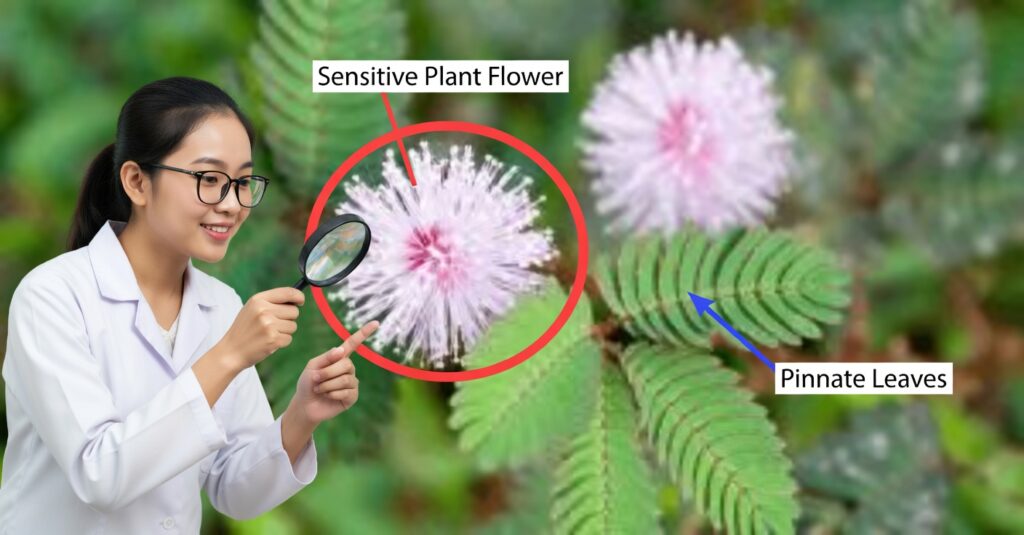
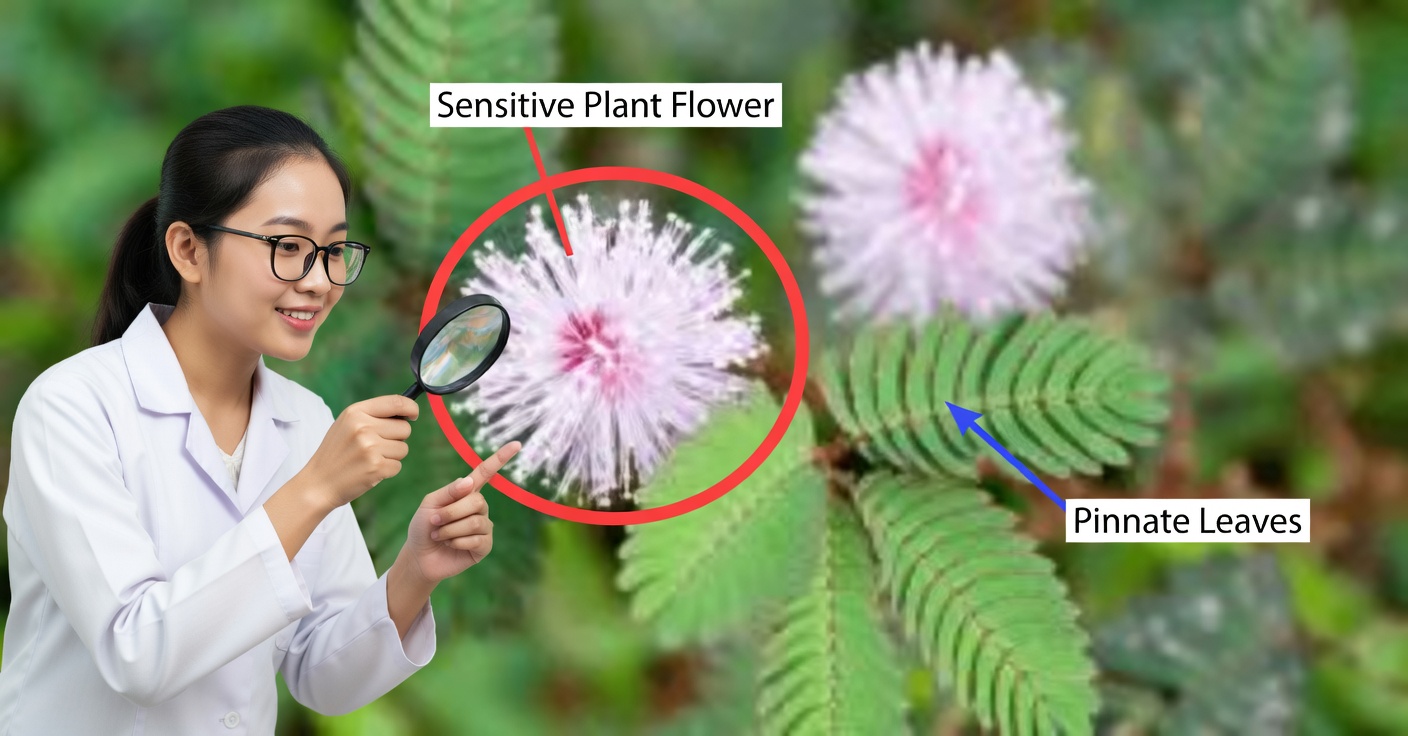
Mimosa pudica belongs to the Fabaceae (legume) family and thrives in tropical and subtropical climates. Although originally from South America, it has naturalized in many regions around the world. This perennial herb can grow up to about 1 meter (3 feet) tall and produces small, spherical flower clusters in shades of pink to light purple.
From a medicinal perspective, Mimosa pudica is noted for its antibacterial, anti-inflammatory, antioxidant, and wound-healing (cicatrizing) properties. Ethnobotanical records show that various Indigenous and local communities have used this plant to support wound care, manage infections, and relieve digestive discomfort.
Main Medicinal Benefits of Mimosa pudica
1. Antibacterial and Antimicrobial Activity
Mimosa pudica contains bioactive compounds that have shown antimicrobial effects in laboratory studies. Extracts from the plant may help inhibit the growth of certain pathogenic bacteria and fungi. Research indicates that it can act against microorganisms such as Escherichia coli and Staphylococcus aureus, which are associated with skin infections and gastrointestinal issues.
2. Anti-inflammatory Support
Thanks to its anti-inflammatory properties, Mimosa pudica has been traditionally applied to soothe muscle aches, joint pain, and inflammatory conditions such as arthritis. In many folk remedies, crushed fresh leaves are used as a poultice over painful or swollen areas to help decrease inflammation and discomfort.
3. Wound Healing and Skin Repair
One of the most common traditional uses of Mimosa pudica is as a natural aid for wound healing. Its ability to support tissue regeneration makes it a popular remedy for minor cuts, burns, and sores. Preparations such as ointments, compresses, or infusions are applied topically to promote faster skin recovery and protect the affected area.
4. Intestinal Cleansing and Detox Support
The seeds of Mimosa pudica are rich in mucilage, a gel-like substance that can act as a gentle cleanser for the digestive tract. In traditional herbal practice, these mucilaginous compounds are used to help remove accumulated waste, intestinal parasites, and toxins from the colon, thereby supporting digestion and overall gut health.
5. Nervous System Relaxation
Mimosa pudica is also known for its calming effects on the nervous system. It has been used in traditional medicine as a mild sedative to ease stress, tension, anxiety, and sleep disturbances. Teas or extracts prepared from the plant are often taken in the evening to encourage relaxation and improve sleep quality.
6. Immune System Support
Due to its antioxidant components, Mimosa pudica may help bolster the immune system and protect the body from oxidative stress. Regular use in traditional practices is believed to enhance the body’s natural defenses, supporting a stronger response to infections and environmental stressors.
How to Use Mimosa pudica
There are several ways to incorporate Mimosa pudica into natural wellness routines:
-
Infusion (herbal tea):
Teas made from the leaves and roots are used to support digestion, calm the nerves, and strengthen the immune system. -
Poultices and compresses:
Fresh or lightly crushed leaves can be applied directly to minor wounds, burns, and skin irritations to encourage healing and reduce inflammation. -
Liquid extract or tincture:
Concentrated extracts are commonly used as supplements, especially for digestive cleansing and immune support, according to traditional practices. -
Capsules:
Powdered seeds in capsule form offer a convenient option for those seeking a natural intestinal cleanser or gentle, plant-based support against parasites.
Recipe: Relaxing Mimosa pudica Tea
This simple herbal infusion is a traditional way to benefit from the plant’s soothing and digestive properties.
Ingredients
- 1 teaspoon of dried Mimosa pudica leaves
- 1 cup of hot water
- Honey or lemon (optional, to taste)
Instructions
- Bring the water to a boil and pour it over the dried Mimosa pudica leaves.
- Cover and let steep for about 10 minutes.
- Strain the infusion.
- Sweeten with a little honey or add a few drops of lemon juice if desired.
- Drink before bedtime to promote relaxation, or after a heavy meal to support digestion and ease discomfort.
Precautions and Contraindications
Even though Mimosa pudica offers multiple potential benefits, it should be used responsibly:
- Excessive consumption may cause drowsiness or interact with certain medications.
- It is not recommended for pregnant or breastfeeding women unless supervised by a qualified healthcare professional.
- Individuals with chronic illnesses or those taking prescription drugs should consult a doctor or herbal specialist before using Mimosa pudica regularly.
Conclusion
Mimosa pudica is far more than a botanical curiosity that folds its leaves when touched. It is a versatile medicinal plant with a rich history in traditional healing systems. From its antimicrobial and anti-inflammatory actions to its calming effects on the nervous system and support for digestive and immune health, this “sensitive plant” is considered a valuable ally in natural wellness.
For anyone interested in herbal remedies with a long tradition of use, Mimosa pudica is a plant well worth exploring.