Mango Leaf Tea: Uses, Potential Benefits, and How to Drink It Safely
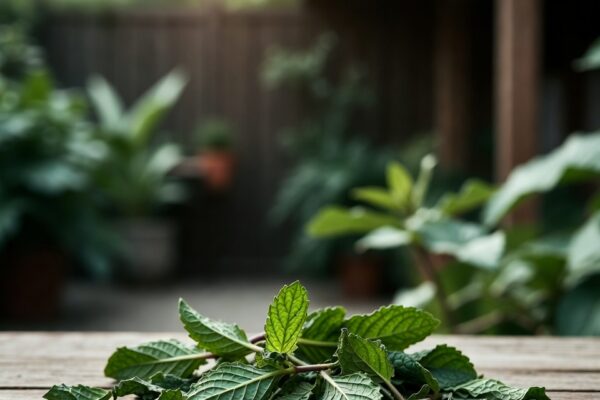
Mango is widely loved for its tropical flavor and nutritional value, but the mango tree leaves have also been used in traditional wellness practices across different cultures. Mango leaf tea is an herbal infusion made from young or dried leaves of the mango tree (Mangifera indica). It is valued for its antioxidant compounds and potential functional properties.
This guide covers what mango leaves contain, what mango leaf tea may be used for, and how to include it safely in a healthy routine.
What Is in Mango Leaves?
Mango leaves contain a variety of bioactive plant compounds, including:

- Mangiferin, a powerful natural antioxidant
- Flavonoids and polyphenols
- Tannins and plant compounds associated with anti-inflammatory activity
- Small amounts of minerals and other phytonutrients
These components help explain why mango leaf tea has attracted interest as a supportive addition to wellness habits.
Potential Benefits of Mango Leaf Tea
1. May Support Healthy Blood Sugar Balance
Traditionally, mango leaf tea has been used as a dietary companion for people aiming to maintain stable blood glucose levels. It is not a treatment and does not replace medical care, but it may fit into a balanced eating pattern focused on metabolic health.
2. May Promote Digestive Comfort
As part of a healthy lifestyle, mango leaf tea may help:
- Encourage lighter digestion
- Reduce the feeling of bloating
- Support regular bowel function when paired with a fiber-rich diet
3. Antioxidant Support
Thanks to mangiferin and other polyphenols, mango leaf tea may:
- Help defend against oxidative stress
- Support cellular protection associated with healthy aging
- Contribute to overall immune support as part of a nutrient-rich lifestyle
4. May Contribute to Cardiovascular Wellness
Some research suggests plant antioxidants can help support healthy circulation and cardiovascular function when combined with an active lifestyle and a balanced diet.
Beauty and Personal Care Benefits (Traditional Use)
Healthier-Looking Skin
Moderate, consistent intake may contribute to:
- Improved skin appearance
- Support against everyday environmental stressors
- Natural support for collagen protection, linked to antioxidant activity
Hair and Scalp Care
In traditional routines, mango leaves have also been used externally as a rinse or infusion to:
- Help strengthen hair
- Keep the scalp feeling clean and balanced
How to Make Mango Leaf Tea
Ingredients
- 5–6 clean mango leaves (fresh or dried)
- 1 liter of water
Instructions
- Wash the leaves thoroughly.
- Bring the water to a boil, then add the leaves.
- Reduce heat and simmer for 10–15 minutes.
- Remove from heat, let it steep, strain, and drink warm.
For most people, it’s best to limit intake to 1 cup per day as part of a varied diet.
Important Safety Notes
- Mango leaf tea is not a medicine and does not replace medical treatment.
- Avoid use during pregnancy or breastfeeding unless guided by a qualified healthcare professional.
- Do not consume if you have known allergies to mango or related plants.
- Use leaves only from trees not treated with pesticides or chemicals.
Conclusion
Mango leaf tea is a traditional herbal infusion with antioxidant potential and possible complementary benefits for wellness and beauty. When used responsibly and in moderation—alongside good nutrition and healthy habits—it can be an interesting natural option for daily self-care.
If you have a medical condition or take medication, speak with a doctor or healthcare professional before adding mango leaf tea or other herbal infusions to your routine.