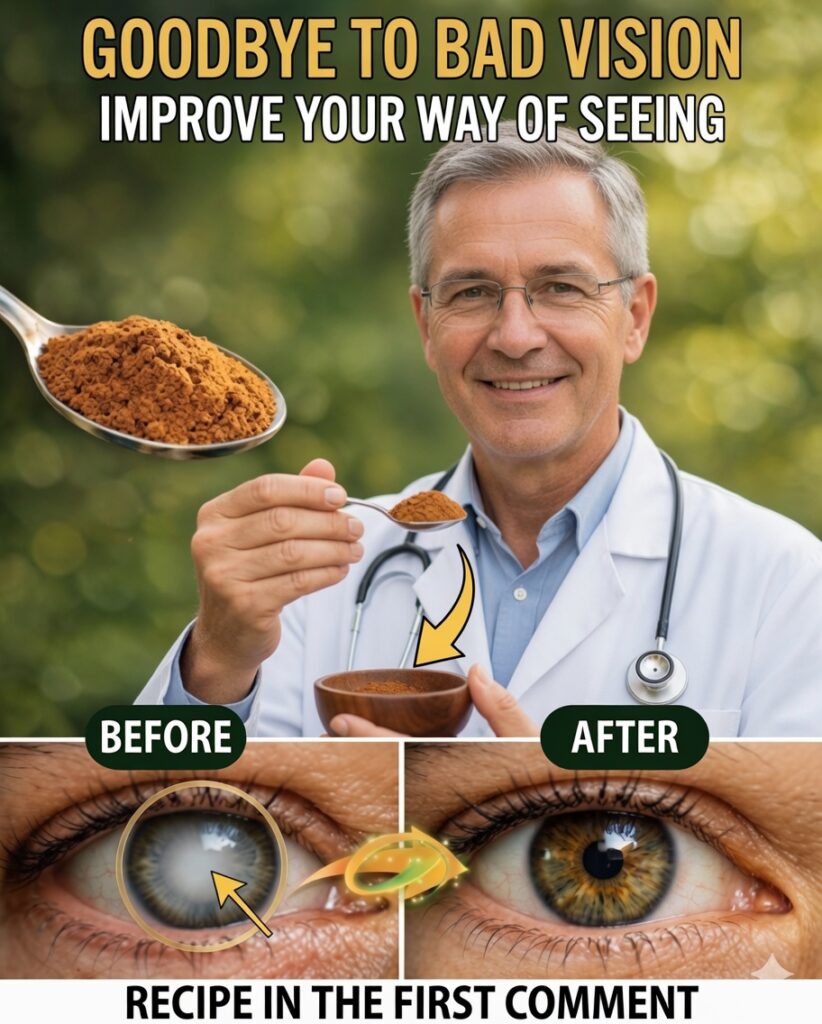
Can a Simple Kitchen Ingredient Really Sharpen Your Vision Overnight?
Could the secret to supporting your eye health while you sleep be hiding in your spice rack?
A surprising claim has been making the rounds on social media: “People over 60 who eat this before bed wake up with clearer vision.” Promises like these naturally draw attention, especially from anyone worried about age-related changes in their eyesight. But does this claim hold up? Is there truly a food that can improve your vision from one night to the next?
Let’s break down what we know and separate myth from reality.
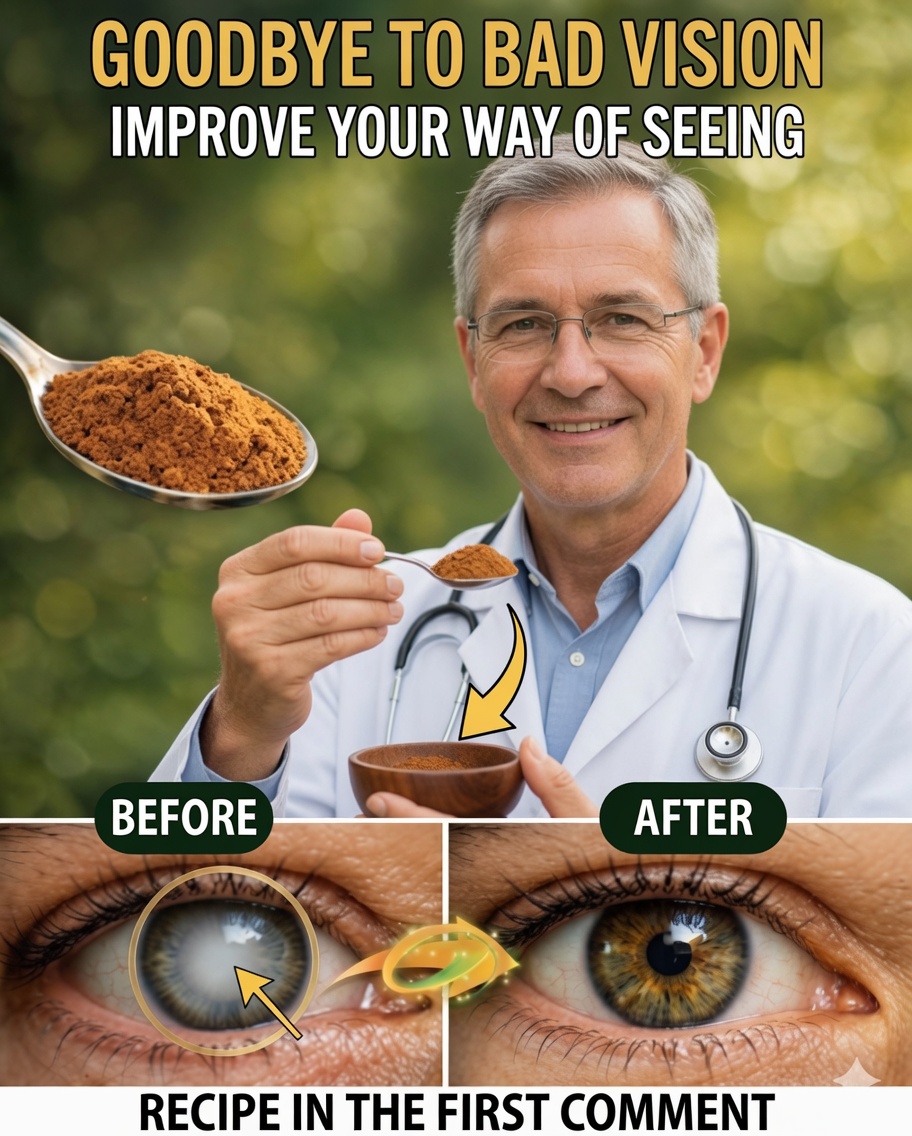
The Trend: Cloves as a Nighttime Remedy for Vision
At the heart of this viral trend is a familiar natural ingredient: clove (Syzygium aromaticum). This aromatic spice, long used in traditional medicine, contains eugenol — a compound known for its antioxidant, anti-inflammatory, and antimicrobial properties. Cloves are also rich in phenolic compounds that help protect cells from oxidative stress, one of the major drivers of aging in the body.
Because of these properties, cloves are often linked to a wide range of health benefits, including potential support for eye health. But can eating cloves before bed really lead to noticeably sharper vision by morning?
Can Any Food Improve Your Vision Overnight?
The straightforward answer is no: there is currently no scientific evidence showing that eating a specific food at night can instantly improve vision by the next day.
Eye health is influenced by many interconnected factors, such as:
- Age and natural aging processes
- Genetics and family history
- Eye diseases (like cataracts or macular degeneration)
- Overall health conditions (e.g., diabetes, hypertension)
- Long-term dietary patterns and lifestyle habits
Some animal studies have explored the potential of clove extracts in protecting against certain eye conditions, thanks to their antioxidant and anti-inflammatory effects. However, these findings are preliminary and cannot be directly translated into proven benefits for humans — especially not as a quick, overnight fix.
How Cloves Might Indirectly Support Eye Health
The lack of an immediate effect does not mean cloves are useless for your eyes. On the contrary, they may contribute to eye health over time as part of a balanced lifestyle.
Here’s how cloves may help indirectly:
- Antioxidant action: Helps reduce oxidative stress, which can damage cells in the retina and other eye structures.
- Improved circulation: Better blood flow supports the retina and optic nerve, both essential for vision.
- Anti-inflammatory effects: May help reduce low-grade chronic inflammation, a risk factor for many age-related conditions.
- Immune support: By supporting the immune system, cloves may help the body defend itself against certain infections that could affect the eyes.
These benefits are supportive, not miraculous. Cloves can be one of many helpful foods in an overall eye-friendly diet, but they are not a standalone cure or quick solution.
Nutrients That Are Proven to Support Eye Health
To truly protect your vision over the long term, a consistently healthy diet matters far more than any single “miracle” ingredient. Research strongly supports the role of certain nutrients in maintaining healthy eyes:
- Vitamin A: Found in foods like carrots and liver; essential for night vision and the cornea.
- Lutein and zeaxanthin: Present in leafy greens such as spinach and kale; help protect the retina from light-induced damage.
- Omega-3 fatty acids: Abundant in fatty fish (salmon, mackerel, sardines); support the retina and may help with dry eyes.
- Vitamin C: Found in citrus fruits, berries, and many vegetables; contributes to the health of blood vessels in the eyes.
- Vitamin E: Present in nuts and seeds; works as an antioxidant protecting eye cells.
These nutrients have a solid scientific foundation for supporting eye health, especially when consumed regularly over many years.
Why Do “Overnight Vision” Claims Go Viral?
Such claims tend to spread quickly because they:
- Promise fast, dramatic results
- Use natural, accessible ingredients that people already know
- Tap into a common concern, especially among older adults worried about losing their vision
- Offer hope in the face of complex and sometimes frightening health issues
However, these viral messages often oversimplify complex biological processes. Eye health is not something that can be reset in a single night by a cup of tea or a pinch of spice.
Is It Safe to Consume Cloves Regularly?
Including cloves or clove infusions in your routine can be beneficial, as long as you use them in moderation and as part of a balanced diet.
Important points to keep in mind:
- Do not overuse: Excessive intake of cloves or clove oil can irritate the digestive system.
- Medication interactions: Cloves may interact with some medications, especially blood thinners, due to their effect on blood clotting.
- Not a replacement for treatment: Cloves should never replace prescribed eye medications or professional medical care.
If you have chronic illnesses, are on regular medication, or are considering consuming cloves in large amounts or as supplements, consult a healthcare professional first.
The Real Foundations of Long-Term Eye Health
If you want to take care of your vision in a meaningful way, focus on proven, sustainable habits:
- Schedule regular eye examinations with an optometrist or ophthalmologist.
- Limit screen time and take breaks to reduce eye strain.
- Sleep well, as quality rest is essential for overall eye and brain function.
- Maintain a nutrient-rich diet with vegetables, fruits, healthy fats, and adequate hydration.
- Protect your eyes from UV light with appropriate sunglasses when outdoors.
- Manage chronic conditions such as diabetes and high blood pressure, which can seriously affect vision.
Conclusion: Helpful Support, Not a Miracle Cure
Cloves and other natural ingredients can play a positive, supporting role in eye health thanks to their antioxidant and anti-inflammatory properties. However, they are not magical solutions, and they do not make your eyesight clearer overnight.
Your vision is largely a reflection of your long-term lifestyle — what you eat, how you sleep, how often you get checkups, and how you protect your eyes day after day. Rather than chasing instant results promised by viral trends, it is far more effective to invest in steady, sustainable habits that preserve your eyesight for the long run.