How to Prevent Maggots in Your Trash Bin
Maggots love warm, damp conditions. As temperatures climb in summer, it’s common to find these wriggling larvae in garbage cans, especially in organic waste or food scrap bins. They’re unpleasant to see, cause bad odors, and can quickly multiply. With the strategies below, you can stop maggots from appearing—and eliminate them if they already have.
Understanding the Maggot Life Cycle
Maggots are the larval stage of flies. Adult flies lay their eggs in warm, moist places where food is available, such as:
- Household trash cans
- Organic waste bins
- Compost containers with food scraps
Once the eggs hatch, the larvae (maggots) begin feeding on the surrounding waste. Because there is usually plenty of food in a garbage bin, they grow rapidly and soon turn into pupae. In as little as three days, the larvae develop into adult flies.
These new flies then lay more eggs, creating a rapid, ongoing cycle. This fast life cycle explains why maggots can suddenly appear in large numbers inside trash bins.
How to Prevent Maggots in Your Trash Bin
Trash and organic waste bins are often only emptied once a week or even less. That gives flies plenty of time to complete several life cycles. Use the tips below to reduce the chances of a maggot infestation.
1. Wrap Food Scraps Before Throwing Them Away
Always wrap meat, fish, vegetables, and other food leftovers before putting them in the bin. You can use:
- Newspaper
- Biodegradable or compostable bags
- Paper towels around especially wet scraps
Flies are particularly drawn to meat and other protein-rich foods, so wrapping these helps block access and reduce smells.
2. Sprinkle Salt Over Unwrapped Food
If you need to throw food scraps away without wrapping them, cover them with a generous amount of salt. Salt helps by:
- Drawing moisture out of the waste
- Making the surface less suitable for fly eggs
- Creating a more hostile environment for maggots
This simple step can significantly reduce the likelihood of an infestation.
3. Keep the Lid Slightly Open to Reduce Condensation
Completely sealed bins can trap moisture and heat, creating ideal conditions for maggots. To keep the inside drier:
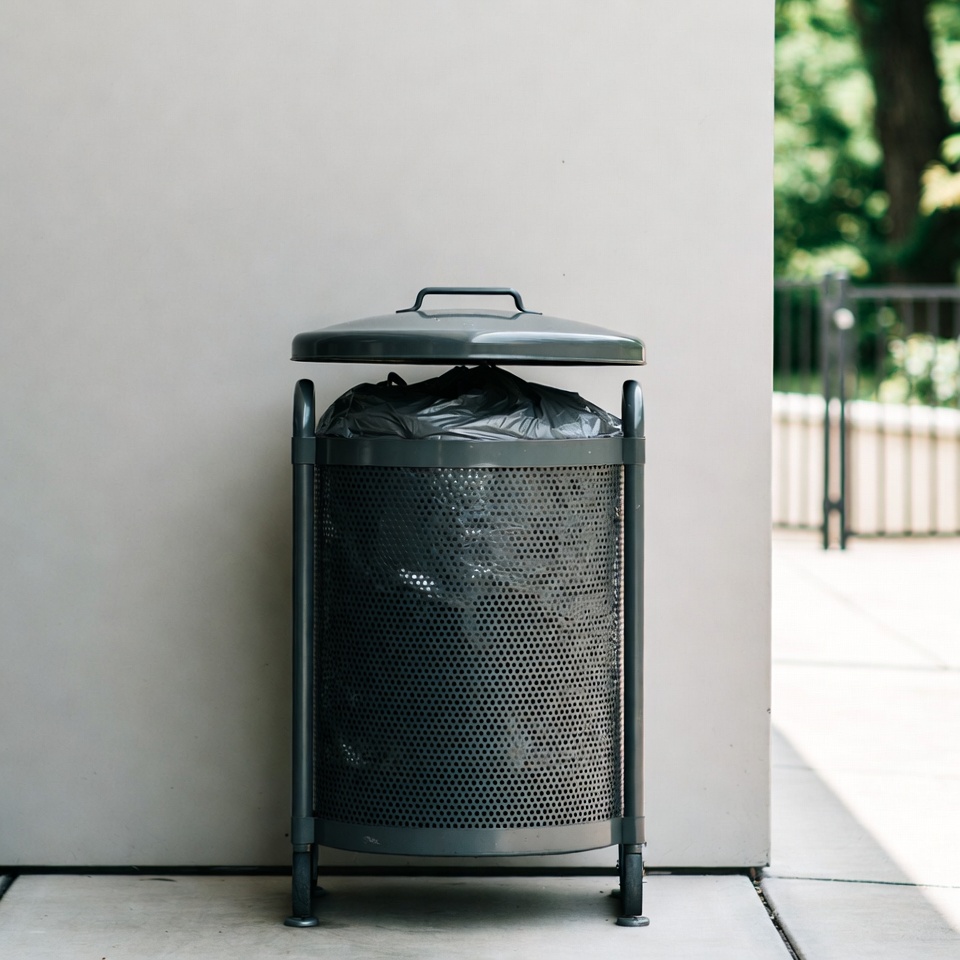
- Prop the lid slightly open with a brick, stick, or other object
- Ensure rain cannot easily enter the bin
Better air circulation reduces condensation, making the bin less attractive to flies.
4. Add Straw or Newspaper to the Bottom
Place a layer of absorbent material at the bottom of the bin, such as:
- Straw
- Shredded newspaper
- Paper bags
These materials help soak up excess moisture, keeping the bin drier and less appealing to flies and maggots.
5. Clean the Bin Regularly with Vinegar
After your bin has been emptied, clean it thoroughly. For a simple, natural solution:
- Rinse the bin with water.
- Scrub the inside with cleaning vinegar (or a mix of vinegar and water).
- Let it dry completely before using it again.
Flies dislike the strong scent of vinegar, so a clean, vinegar-rinsed bin is less likely to attract them. In many areas, local authorities or private companies offer bin-cleaning services for a fee—check with your local council or municipality for options.
How to Get Rid of Maggots Already in the Bin
If maggots have already appeared in your organic waste bin, you can still control and remove them using natural deterrents.
Use Ivy or Lavender
Place a branch or handful of:
- Ivy
- Lavender
into the bin. Maggots are repelled by these plants and may even die when exposed to their scent. This makes them useful, chemical-free tools for dealing with infestations.
Cover Maggots with Sand or Salt
Another effective method is to cover visible maggots with:
- Sand
- Salt
Salt creates a hostile environment for maggots, while sand makes it difficult for them to move and can lead to dehydration. Both can help kill or immobilize them.
However, be cautious with the amount of sand you use in a green or organic waste bin, as too much sand can interfere with proper composting.
Keep Your Bin Maggot-Free All Summer
By combining good bin hygiene with simple preventive measures—like wrapping food scraps, controlling moisture, and using natural repellents—you can greatly reduce the risk of maggots in your trash or organic waste bin. These steps help keep odors under control and make managing household waste much more pleasant during the warmer months.