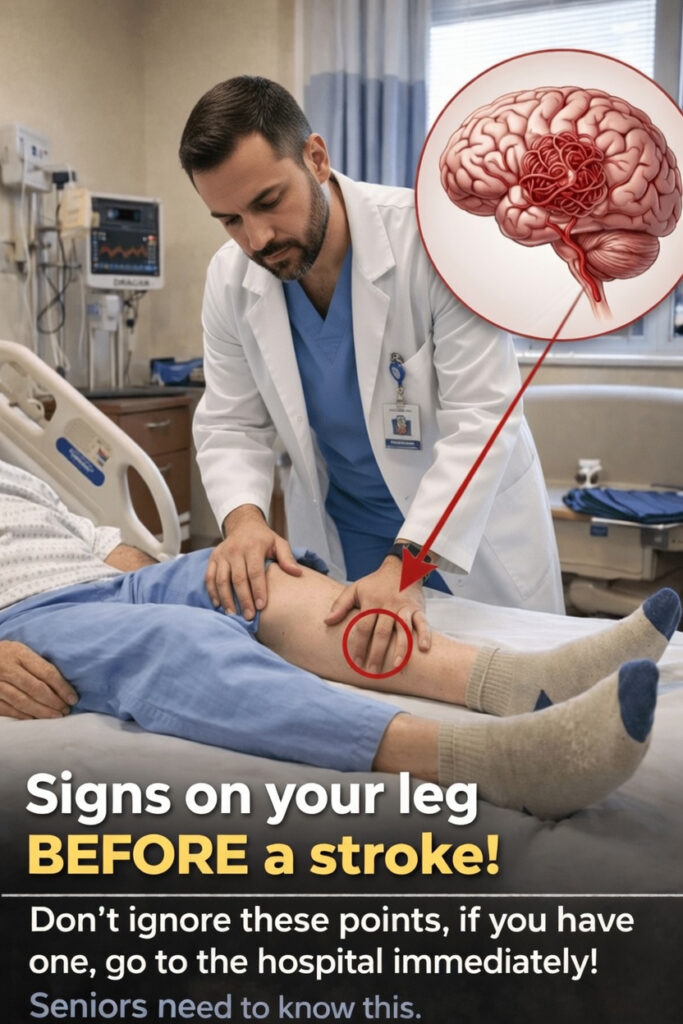
Sudden One-Sided Leg Weakness Could Be a Stroke Warning Sign
You may be moving through a normal day when one leg suddenly starts to feel unusually heavy, numb, weak, or difficult to control—especially if it happens on only one side. Many people assume it is just tiredness, a pinched nerve, poor circulation, or a normal part of aging. However, medical research shows that abrupt leg symptoms like these can sometimes be an early warning of a stroke.
A stroke happens when blood flow to part of the brain is blocked or disrupted. When that occurs, brain cells are deprived of oxygen, and fast treatment becomes critical. Recognizing the warning signs early can greatly improve recovery and outcomes. Unfortunately, subtle symptoms are often ignored, particularly in older adults, until the situation becomes more serious.
This article explains what sudden leg-related changes may mean, why they should never be dismissed, and what actions you should take immediately to stay safe. Understanding these signs now can help protect you or someone close to you.
What surprises many people is that these symptoms usually appear suddenly during a stroke or a transient ischemic attack. Still, knowing about them in advance gives you a better chance of responding without delay.
What a Stroke Is and Why the Legs May Be Affected
A stroke occurs when blood supply to part of the brain is either blocked or reduced. Without enough oxygen and nutrients, brain cells begin to die within minutes. The two main types of stroke are:
- Ischemic stroke: caused by a blood clot blocking circulation
- Hemorrhagic stroke: caused by bleeding in or around the brain
Medical organizations such as the American Stroke Association and Mayo Clinic note that stroke symptoms usually begin suddenly, not gradually.
The reason leg symptoms can appear during a stroke is linked to how the brain controls movement. The brain sends signals through nerve pathways that allow the body to move properly. If the areas responsible for movement are affected, even briefly, a person may experience:
- Weakness in one leg
- Numbness
- Difficulty walking
- Loss of coordination
These one-sided changes are considered classic stroke red flags.
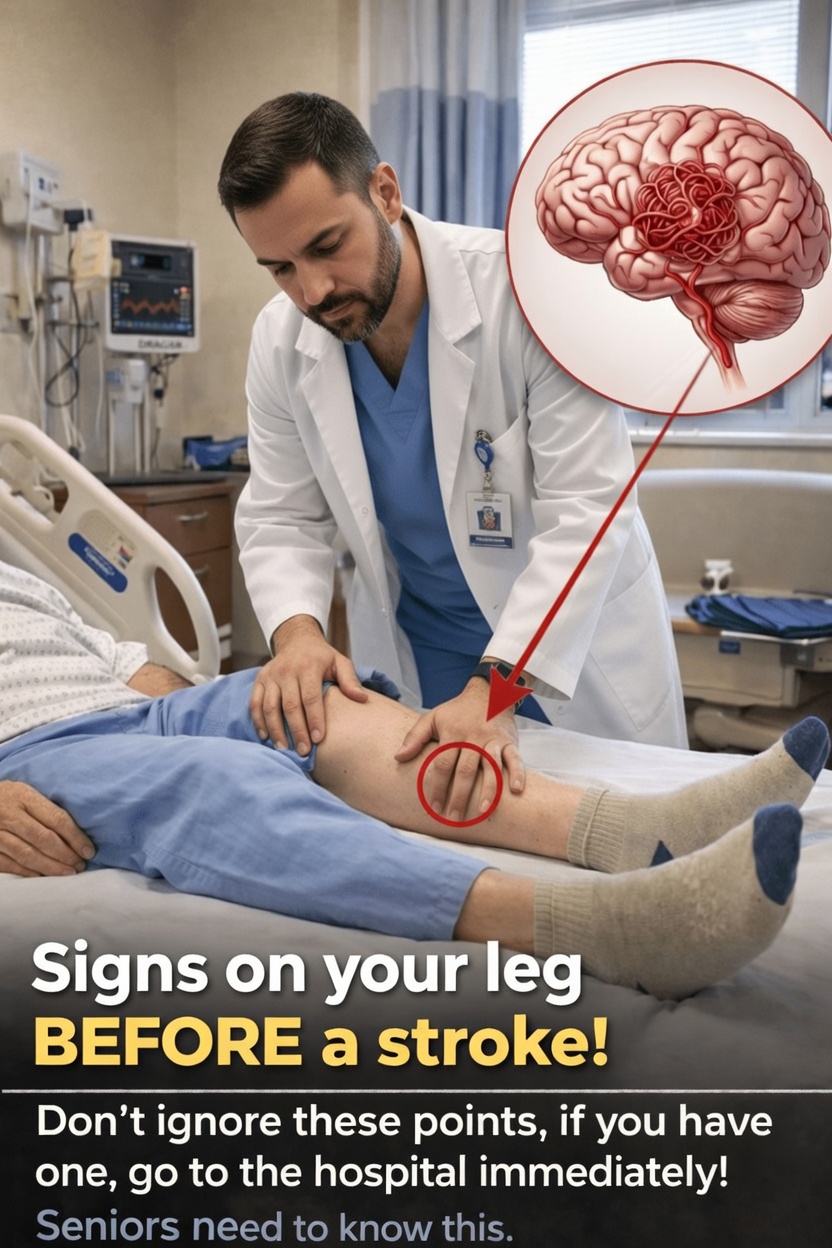
In some cases, these symptoms may not mean a major stroke is happening at that exact moment. They can also be caused by a transient ischemic attack (TIA), often called a mini-stroke. A TIA causes similar symptoms, but they disappear within a short time. Even so, it should never be ignored. A TIA is a serious warning that a larger stroke may happen soon. Research shows that as many as one in three people who experience a TIA later go on to have a full stroke.
Leg Symptoms That May Signal a Stroke
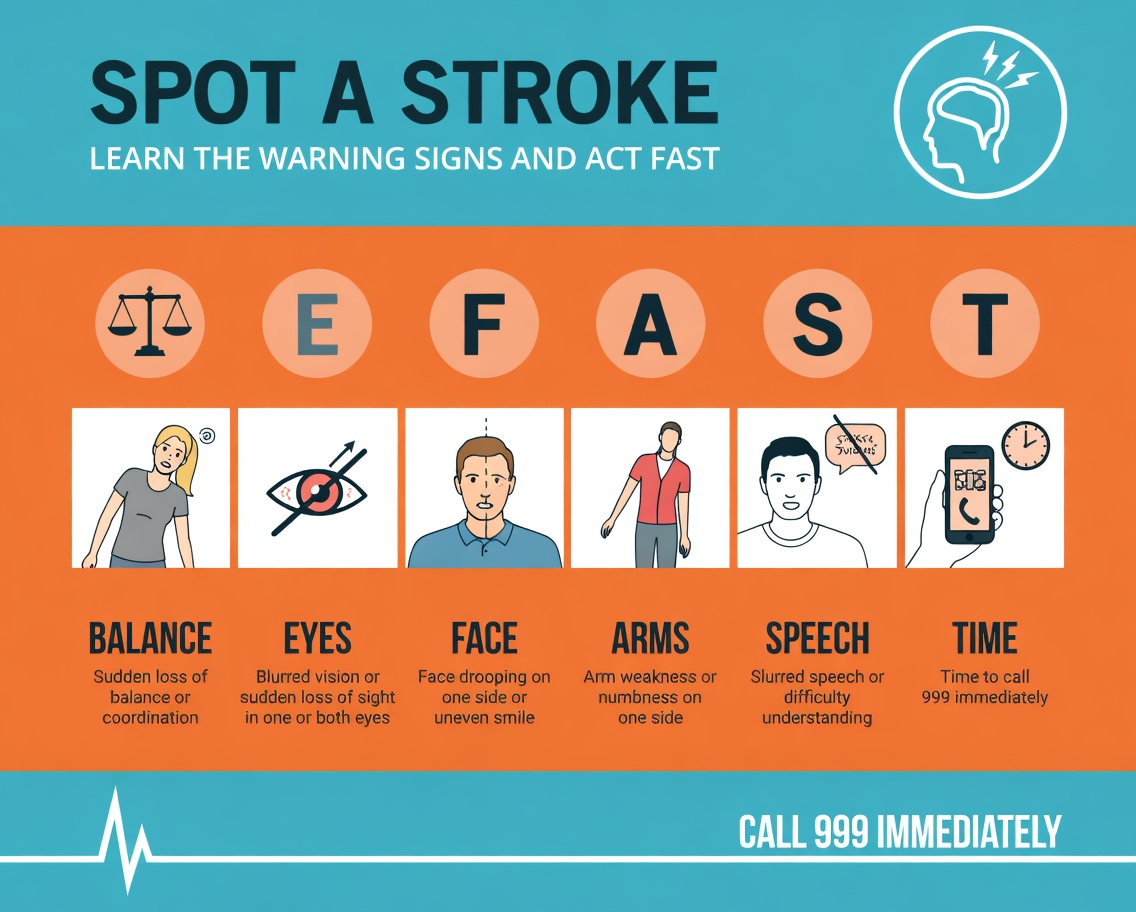
Health experts commonly use the FAST method to identify stroke symptoms quickly:
- Face drooping: Ask the person to smile. Does one side of the face droop?
- Arm weakness: Ask them to raise both arms. Does one arm drift downward?
- Speech difficulty: Is speech slurred, confused, or hard to understand?
- Time to call emergency services: Immediate action is essential.
Leg symptoms are not included in the FAST acronym, but they are still a major warning sign. In many stroke cases, the leg is affected in the same way as the arm or face—especially on one side of the body.
Watch for these sudden leg-related symptoms:
- Weakness in one leg, making it difficult to stand, step, or walk
- Numbness or tingling with no obvious cause
- Loss of balance or coordination, including stumbling or swaying
- A heavy or unresponsive feeling in one leg
- Trouble lifting the foot or dragging the leg while walking
These symptoms may occur on their own or alongside other stroke signs such as confusion, vision changes, facial drooping, or a severe headache. According to stroke awareness data from sources like the CDC, sudden numbness or weakness in the face, arm, or leg—especially on one side—is widely recognized as a key indicator of stroke.
Quick Reference: Common Stroke-Related Leg Signs
- Sudden weakness in one leg
- One-sided leg heaviness
- Numbness or “pins and needles” in the leg
- Difficulty walking in a straight line
- Poor balance or coordination
- Foot dragging or inability to lift the leg normally
- Leg symptoms combined with facial or arm weakness on the same side
If any of these symptoms begin suddenly, do not wait to see whether they go away.
Why Older Adults Need to Be Especially Careful
Stroke risk increases with age. Factors such as high blood pressure, diabetes, high cholesterol, and changes in the arteries all make strokes more likely over time. Because of this, older adults should be particularly alert to unusual physical changes.
One reason strokes are missed in older people is that sudden leg weakness may be blamed on arthritis, fatigue, back issues, or simply “getting older.” But there is an important difference: normal aging does not cause sudden one-sided weakness or numbness.
Leading health organizations emphasize that people over 55 should understand stroke symptoms clearly. When blood flow to the brain is blocked, every minute matters. The phrase often used by stroke experts is: time lost is brain lost.
Some people have a TIA before a major stroke. In those cases, the leg may suddenly feel weak or numb, then return to normal after a few minutes or hours. That temporary recovery can create a false sense of safety. In reality, it is a warning sign that urgent medical evaluation is needed.
What to Do Immediately If You Notice These Symptoms
If you or someone near you develops sudden leg weakness, numbness, imbalance, or other possible stroke symptoms, take action right away:
- Stop what you are doing
- Use the FAST test to check for face drooping, arm weakness, and speech problems
- Note the exact time the symptoms started
- Call emergency services immediately
- Do not drive yourself to the hospital
- Do not eat, drink, or take medicine unless a medical professional advises it
- Keep the person calm and comfortable while waiting for help
Even if the symptoms disappear quickly, medical evaluation is still essential. Doctors may use brain imaging and other tests to determine whether a stroke or TIA occurred and to help prevent a future event.
Daily Habits That Can Help Lower Stroke Risk
While not every stroke can be prevented, healthy daily habits can reduce risk significantly. Focus on these practical steps:
- Check blood pressure regularly and keep it under control
- Eat a heart-healthy diet rich in fruits, vegetables, and whole grains
- Stay physically active with walking or light exercise most days
- Work with your doctor to manage diabetes and high cholesterol
- Quit smoking
- Limit alcohol intake
These simple actions support healthy blood vessels and better long-term circulation.
Stroke Symptoms Are Not Limited to the Legs
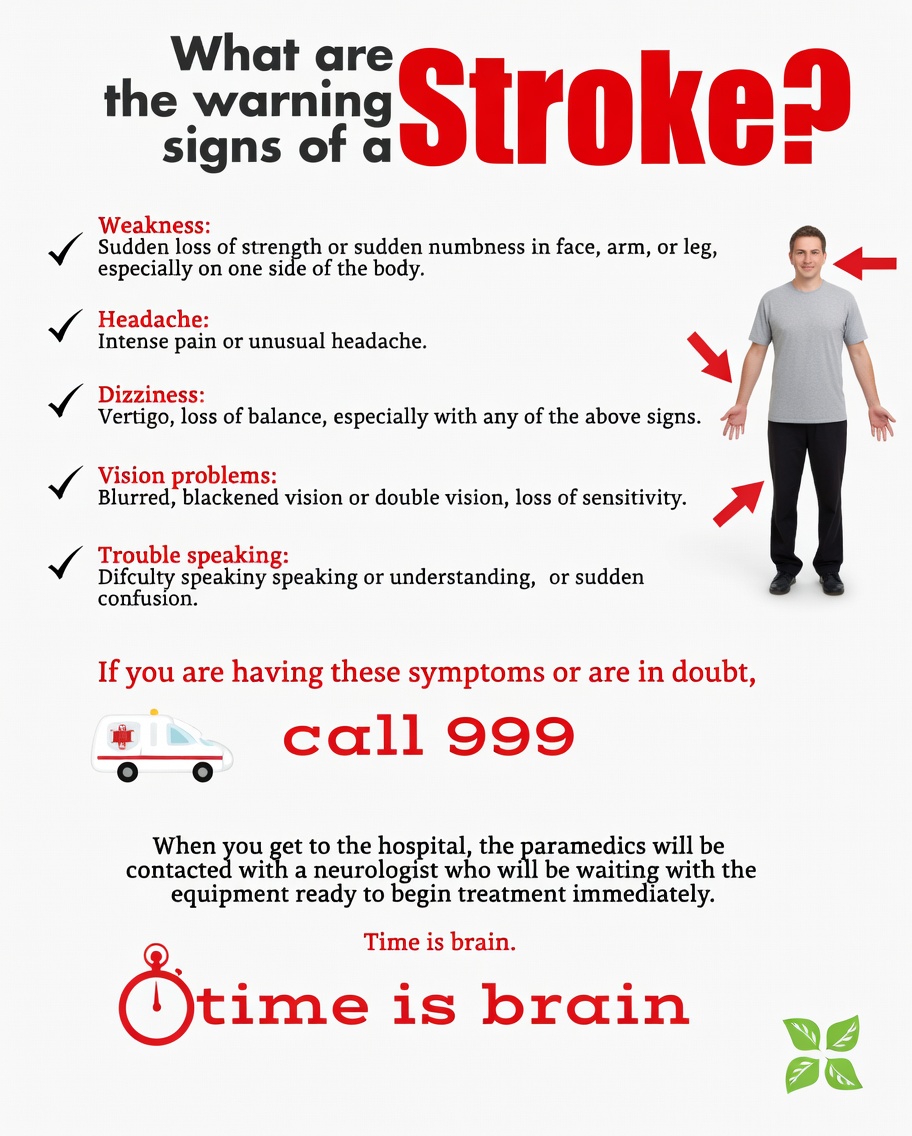
Although this article focuses on leg-related warning signs, stroke symptoms can affect many parts of the body. A person may also experience:
- Sudden confusion
- Blurred or lost vision
- A severe headache with no clear cause
- Trouble speaking or understanding words
- Weakness in the face or arm
- Sudden dizziness
The most important takeaway is this: any sudden neurological change deserves immediate attention. The faster a stroke is recognized, the better the chances of reducing long-term damage.
Sharing this information with family members—especially older parents or relatives—can make a real difference. Stroke awareness saves lives.
Conclusion
Unexpected changes in one leg, such as weakness, numbness, heaviness, or difficulty walking, should never be brushed aside. In some cases, they may be early signs that blood flow to the brain is being disrupted. Whether the cause is a stroke or a mini-stroke, fast action is essential.
By recognizing the symptoms, responding quickly, and seeking emergency care, you give yourself or a loved one the best possible chance of recovery. Paying attention to what the body is signaling can be life-saving.
Frequently Asked Questions
What if leg weakness goes away after a few minutes?
Even brief symptoms may be caused by a TIA, which is a serious warning sign of possible stroke. You should seek medical care immediately, even if the problem disappears.
Do leg symptoms always mean a stroke?
No. Sudden leg changes can also be linked to nerve compression, circulation issues, or other medical conditions. However, if the symptoms appear suddenly and affect only one side, urgent evaluation is necessary to rule out a stroke.
How can older family members remember the warning signs?
Teach them the FAST method and remind them that sudden one-sided leg weakness or numbness also matters. Simple conversations, printed reminders, and family discussions can help everyone respond faster in an emergency.