Could a Simple Natural Vitamin Help Ease Your Knee Pain?
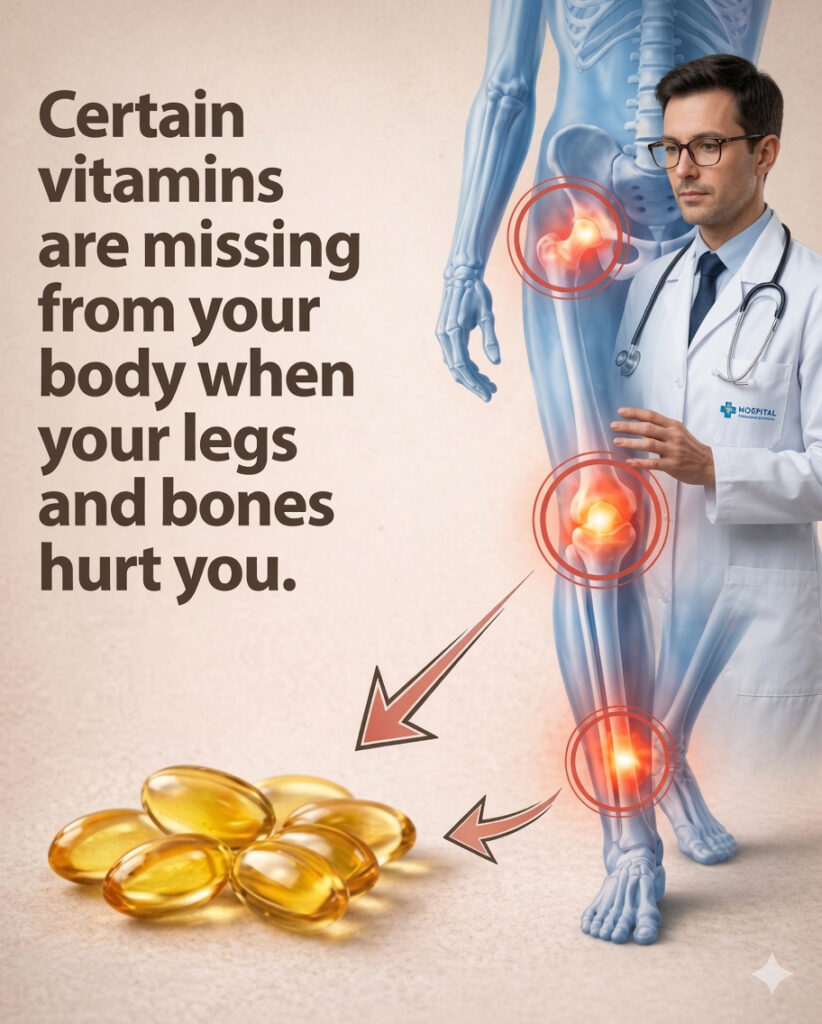
Knee pain is one of the most common joint problems, especially among older adults and people dealing with cartilage wear. Climbing stairs can become a struggle, and even a long walk may feel uncomfortable. Many people wonder whether there is a natural and simple way to reduce this discomfort. The answer may lie in a vitamin that is often overlooked: vitamin D.
As we age, carry excess weight, engage in intense physical activity, or develop conditions such as osteoarthritis, the knees are placed under continuous stress. Over time, this can lead to inflammation, stiffness, and reduced mobility. In recent years, researchers have taken a closer look at how nutrients affect joint health, and vitamin D has emerged as a key factor.
Several studies suggest that low vitamin D levels are often linked to more severe pain and poorer joint function, particularly in people with knee osteoarthritis.
Why Is Vitamin D So Important?
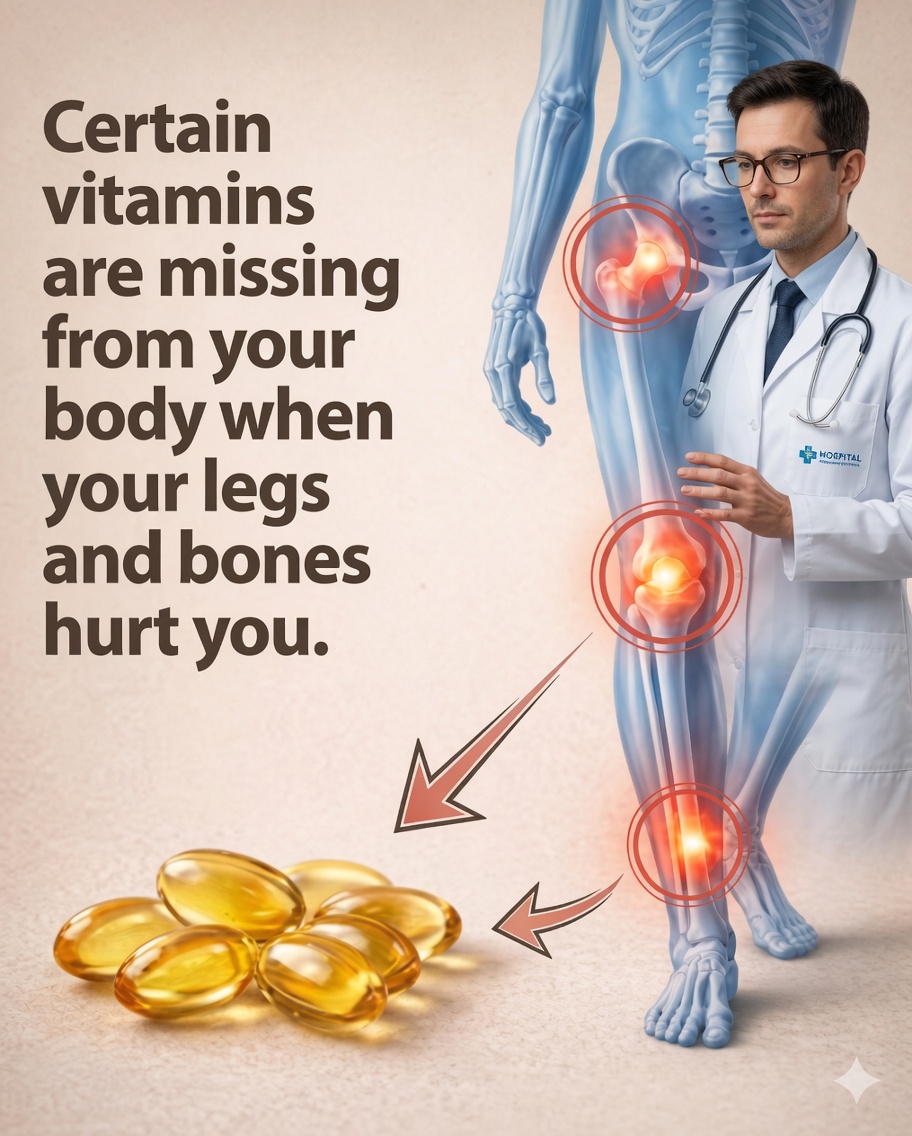
Vitamin D plays a vital role in overall health. It helps the body:
- absorb calcium more effectively
- build and maintain strong bones
- support muscle function
- contribute to a healthy immune system
When vitamin D levels are too low, bones may weaken and cartilage may break down faster, which can increase joint pain and discomfort.
How Vitamin D May Support Knee Pain Relief
1. It May Help Reduce Inflammation
Vitamin D has anti-inflammatory properties. Because inflammation is a major cause of joint pain, especially in conditions like arthritis, maintaining healthy levels may help calm irritation in the knee joint.
2. It May Help Protect Cartilage
Cartilage acts as a cushion between bones. Some research indicates that adequate vitamin D levels may help slow cartilage degeneration, particularly as people get older.
3. It May Improve Symptoms in People With a Deficiency
For individuals who are deficient in vitamin D, correcting that deficiency may lead to less knee pain and better mobility. However, results are not identical for everyone, and individual response can vary.
Other Vitamins That Support Joint Health
While vitamin D is especially important, other nutrients also contribute to healthy joints:
- Vitamin A: supports tissue health
- Vitamin C: helps produce collagen, which is essential for cartilage
- B vitamins: may help reduce certain types of muscle pain
Natural Sources of Vitamin D
You can increase vitamin D intake naturally through foods such as:
- fatty fish like salmon, sardines, and tuna
- eggs
- fortified dairy products
- mushrooms
- cod liver oil
Sun exposure is also one of the most effective natural ways for the body to produce vitamin D.
Healthy Habits That Can Help Relieve Knee Pain
Lifestyle choices matter just as much as nutrition. Helpful habits include:
- maintaining a healthy weight to reduce pressure on the knees
- doing moderate exercise such as walking or swimming
- strengthening the leg muscles to better support and stabilize the joint
Important Precautions
Vitamin D is not a miracle cure. Scientific findings remain mixed, and it may not work the same way for everyone. Before starting supplements, it is best to:
- speak with a healthcare professional
- check your vitamin D status with a blood test
Conclusion
Vitamin D plays an essential role in bone health and joint health. Keeping your levels in a healthy range may help:
- strengthen bones
- protect cartilage
- reduce pain in some individuals
Still, the most effective approach to knee pain is a comprehensive one: eat a balanced diet, stay physically active, and maintain healthy daily habits.
Final Tip
A few minutes of sunlight each day, nutrient-rich meals, and regular movement can make a real difference for your knees.