Natural Detox, Better Digestion, Healthier Skin: Can One Plant Really Do It All?
A viral article circulating online claims that a single plant can purify your blood, regenerate your skin, and deeply cleanse organs like the kidneys, liver, and pancreas—all after just one dose.
Promises like these spread quickly, especially among people looking for natural ways to boost their health and “detox” their bodies. But can one plant truly deliver such powerful, wide-ranging effects?
In this article, we’ll look at which plant is usually behind these claims, what its real benefits are, and what scientific evidence actually says.
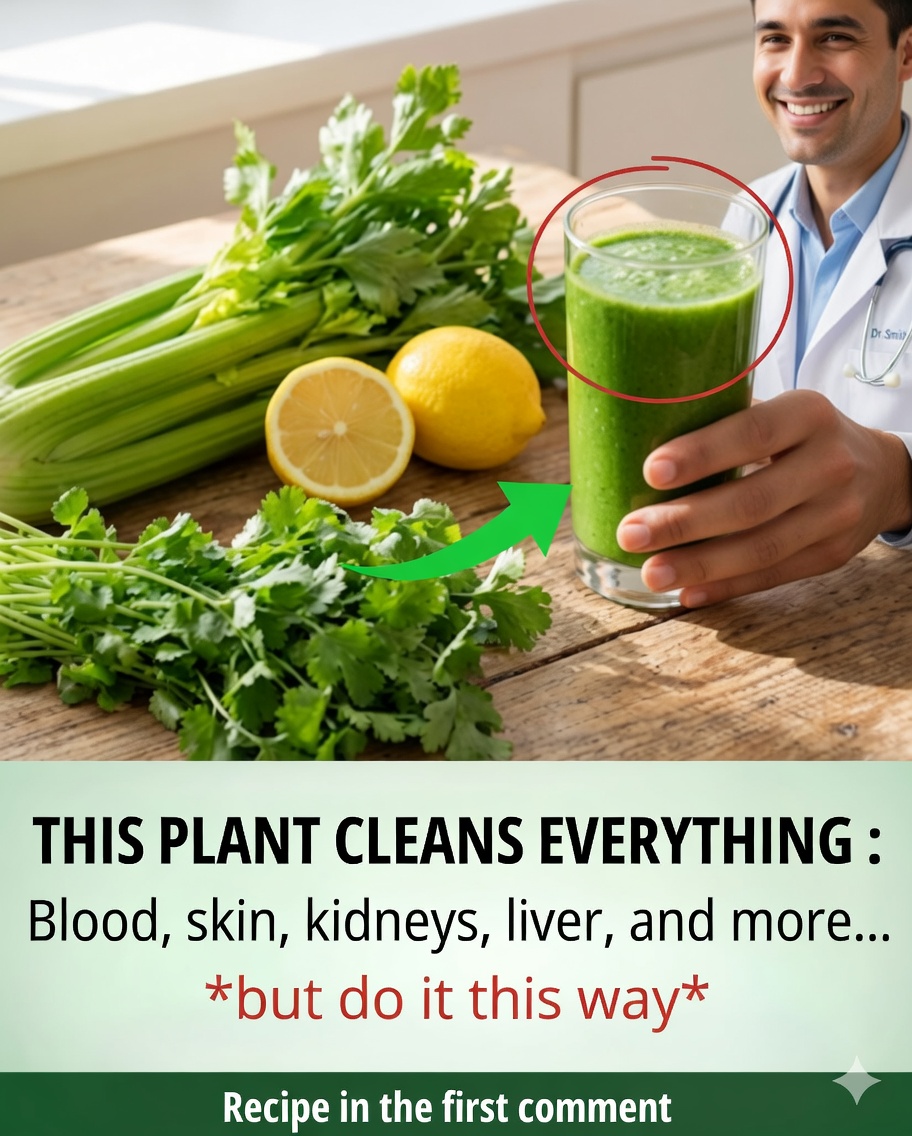
Which Plant Are They Talking About?
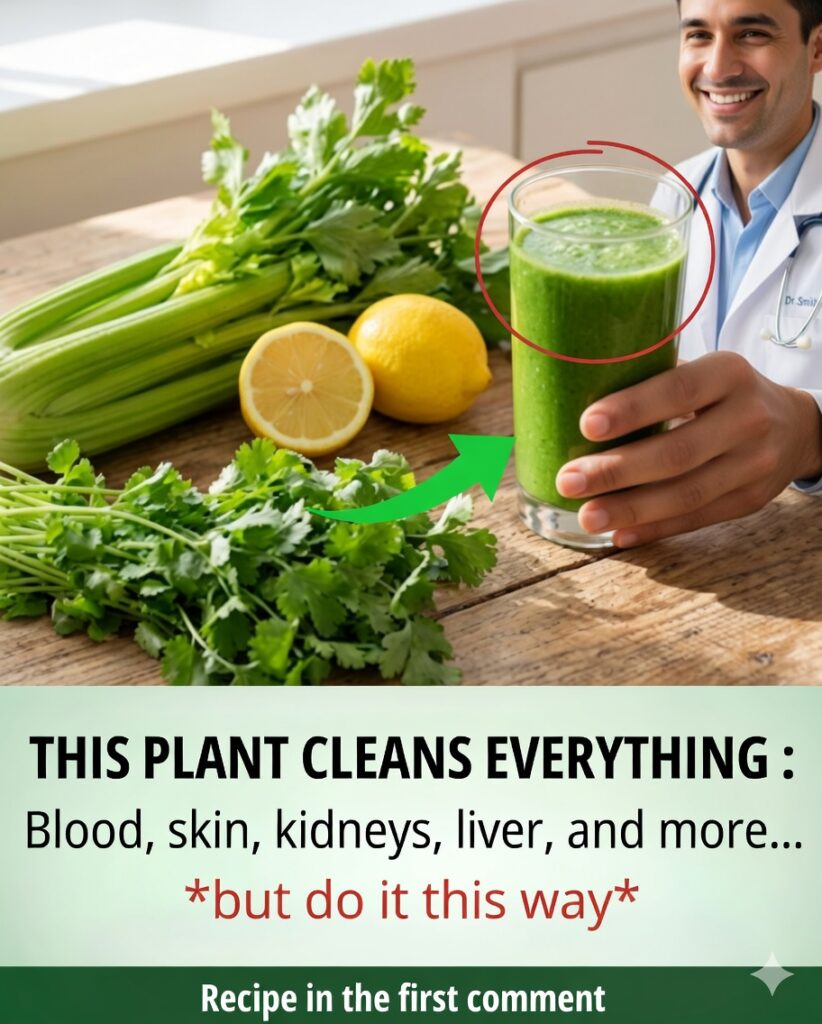
In many viral posts and videos, the plant highlighted as a miracle detox remedy is celery—a common vegetable widely known for its nutritional and health-supporting properties.
Some of these claims suggest that celery can:
- “Purify the blood”
- “Detox the liver”
- “Regenerate the skin”
- “Remove toxins from the kidneys and pancreas”
While celery is indeed healthy, these statements are often oversimplified or exaggerated.
What Does “Purify the Blood” Really Mean?
“Blood purification” is not a recognized medical concept. It sounds appealing, but it doesn’t correspond to how the body actually works.
In reality, your body already has highly effective detoxification systems:
- The liver breaks down and metabolizes toxins and chemicals
- The kidneys filter the blood and excrete waste products through urine
- The skin and lungs also participate in eliminating certain waste substances
No plant, juice, or supplement can replace these vital organs or suddenly “clean” your blood in a single step.
The Real Benefits of “Detox” Plants
Even though viral promises go too far, some plants and herbs can genuinely support the body’s natural functions. Their effects are supportive, not magical.
1. Liver Support
- Milk thistle contains silymarin, a powerful antioxidant compound.
- Silymarin helps protect liver cells from damage and may encourage their regeneration.
- This doesn’t mean it can reverse all liver diseases, but it can support liver health under certain conditions.
2. Kidney and Urinary Support
- Plants such as nettle, birch, and dandelion have mild diuretic properties.
- They increase urine production, which can help the body eliminate metabolic waste more efficiently.
- However, they do not “wash” or “scrub” the kidneys in a literal sense.
3. Better Digestion
- Herbs like rosemary, artichoke, and dandelion can stimulate bile production.
- More bile can help improve the digestion of fats and overall digestive comfort.
- These plants support digestion but do not fix all digestive disorders.
4. Antioxidant Action and Skin Health
- Many plants and vegetables are rich in antioxidants that fight oxidative stress.
- Reducing oxidative stress may slow down certain signs of aging and support healthier-looking skin.
- This is a gradual, cumulative effect—not an instant skin regeneration.
Can a Single Plant Regenerate Your Skin?
Skin regeneration is a complex process influenced by many factors, including:
- Overall diet and nutrient intake
- Hydration levels
- Sun exposure and UV protection
- Age and hormonal balance
- General health and lifestyle
Herbs and plants can help by providing antioxidants, vitamins, and anti-inflammatory compounds, but:
- There is no credible proof of instant or miraculous skin renewal from a single plant.
- Long-term habits matter far more than a one-off remedy.
The Myth of the “One-Time Dose”
The idea that a single dose of a plant extract or juice can “reset” or “transform” your body is misleading.
In reality:
- Detoxification is an ongoing, daily process managed by your organs
- Herbal effects tend to be gentle and cumulative, not dramatic
- Consistent use, combined with a healthy lifestyle, is needed for noticeable results
- Genuine changes in health happen gradually, not overnight
Why Do These Claims Go Viral?
These viral posts are so popular because they:
- Promise quick, effortless results
- Use strong, emotional, and sometimes alarmist language
- Equate “natural” with “automatically safe” and “effective”
- Oversimplify complex biological processes into catchy slogans
This formula makes content highly shareable—but not necessarily reliable.
The Risks of “Miracle” Remedies
Believing in miracle cures is not just harmless optimism. It can have real consequences:
- Delaying medical diagnosis by ignoring symptoms or avoiding check-ups
- Stopping necessary treatments in favor of unproven natural alternatives
- Self-medicating in excessive doses, which can cause side effects or interactions
- Assuming that if something is “natural,” it has no risks—this is false
Natural products can be helpful, but they must be used wisely and, when needed, under professional guidance.
How to Truly Support Your Body’s Detox Systems
The most effective ways to support your liver, kidneys, skin, and overall health are surprisingly simple and well-studied:
- Eat a balanced diet rich in fruits, vegetables, whole grains, and healthy fats
- Stay well hydrated by drinking enough water throughout the day
- Be physically active on a regular basis
- Reduce alcohol intake and limit ultra-processed foods
- Prioritize quality sleep and stress management
These habits strengthen the body’s natural detoxification systems far more reliably than any “one-shot” remedy.
Can You Still Use These Plants?
Yes—herbal and plant-based remedies can have a valuable place in a healthy lifestyle, as long as your expectations are realistic.
They can:
- ✔ Support the body’s natural functions (liver, kidneys, digestion)
- ✔ Provide antioxidants and beneficial phytochemicals
- ✔ Complement a balanced diet and healthy habits
They cannot:
- ✖ Replace your organs or their essential functions
- ✖ Cure complex diseases on their own
- ✖ Deliver instant, dramatic transformations after a single dose
Conclusion: Between Hype and Reality
The idea of a single plant that can purify your blood, cleanse all your organs, and regenerate your skin after one dose is a viral myth, not a medical fact.
However, many plants and herbs do offer real, evidence-based benefits when used correctly and consistently, as part of an overall healthy lifestyle.
The true key to better health is not a miracle cure, but sustainable habits supported by trustworthy, science-based information.