
Japanese Honeysuckle: Health Benefits and Simple Homemade Uses
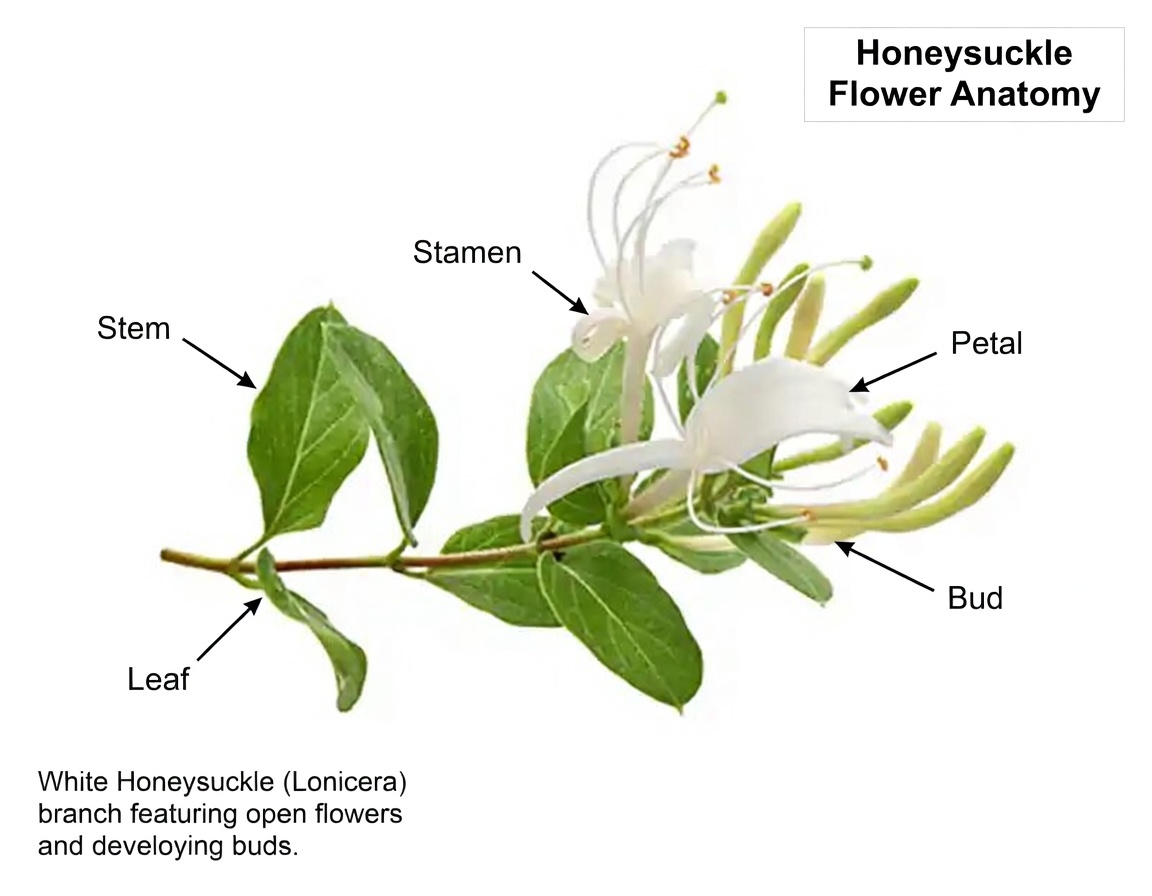
Japanese honeysuckle (Lonicera japonica) is a sweet-smelling flowering vine originally from East Asia that has spread widely across many parts of the world. Although it is often classified as invasive in natural habitats, it has long held an important place in traditional herbal medicine, especially in Chinese and Japanese practices. Its flowers and leaves are commonly valued for their therapeutic properties and gentle home remedies.

Main Health Benefits of Japanese Honeysuckle
Anti-Inflammatory Support
Japanese honeysuckle contains plant compounds such as chlorogenic acid and luteolin, both known for helping calm inflammation. Because of this, it may be helpful for issues linked to irritation and swelling, including sore throats, mild skin discomfort, and inflammatory conditions like arthritis.
Antiviral and Antibacterial Activity
In traditional Chinese medicine, honeysuckle is often used to “clear heat and toxins.” Modern interest in the plant also focuses on its natural ability to combat certain bacteria and viruses. It may help inhibit harmful microbes, including Staphylococcus aureus, as well as some viruses associated with colds and seasonal flu.
Immune System Support
Rich in antioxidants, Japanese honeysuckle may help strengthen the body’s natural defenses. It is often used during cold and flu season and may also offer support during periods of seasonal allergy discomfort.
May Help Reduce Fever
Honeysuckle tea is traditionally consumed to help cool the body and ease fever, particularly when illness is related to viral infection. This makes it a well-known herbal choice in traditional wellness practices.
Respiratory Relief
Because of its soothing and anti-inflammatory nature, Japanese honeysuckle may provide relief for common respiratory complaints. It is often associated with helping ease coughs, bronchitis, and throat irritation.
Detoxifying Effect
In herbal traditions, Japanese honeysuckle is also used as a mild diuretic. This means it may encourage the body to eliminate waste through urine, supporting natural detoxification processes.

Digestive Comfort
A light honeysuckle tea may help settle the stomach and reduce mild digestive upset. It is sometimes used for gentle relief from indigestion or stomach discomfort.
Skin and Minor Wound Care
When used externally, honeysuckle in the form of an infusion or paste may support the healing of minor skin problems. Its antimicrobial and anti-inflammatory qualities make it useful for small wounds, boils, rashes, and acne-prone skin.
Oral Health Support
Thanks to its antibacterial properties, Japanese honeysuckle can also be used in homemade rinses to help support healthy gums and overall oral hygiene.
Mild Calming Effect
Although it is not considered a sedative, honeysuckle tea may promote a subtle sense of relaxation. Its cooling and comforting qualities can make it a soothing drink during times of stress or physical discomfort.
Homemade Uses of Japanese Honeysuckle
Important: Only the flowers and leaves should be used, and only in small amounts. The berries are toxic and must never be eaten.
1. Honeysuckle Tea for Colds, Fever, and Detox
This is one of the most common traditional ways to use Japanese honeysuckle at home.
Ingredients:
- 1 tablespoon dried honeysuckle flowers, or a small handful of fresh flowers
- 2 cups hot water
Instructions:
- Place the honeysuckle flowers in hot water.
- Let them steep for 10 to 15 minutes.
- Strain the liquid.
- Drink up to twice daily.
This tea is commonly used during flu season or when dealing with minor infections, sore throat, mild fever, or light digestive discomfort.