Homemade Aloe Vera Soap: A Complete Guide
Homemade aloe vera soap is one of the most effective natural products you can use to care for your skin. Rich in antioxidants and vitamins A, C, and E, aloe vera supports skin repair, moisturizes deeply, and soothes discomfort. It is especially helpful for managing acne, irritation, and mild burns.
Making your own aloe vera soap at home is simple, inexpensive, and free from harsh synthetic chemicals that can stress or damage the skin. This guide walks you through how to make aloe vera soap step by step, explains its main benefits, and shows you how to use it correctly to get the best results.
Key Benefits of Aloe Vera Soap
Aloe vera soap is suitable for all skin types, but it is particularly beneficial for sensitive, reactive, or blemish-prone skin. Its main advantages include:
-
Intense hydration:
Aloe gel is easily absorbed without leaving a greasy film, helping the skin stay soft, supple, and comfortable. -
Support for healing and regeneration:
It promotes the natural repair of damaged tissue, easing the discomfort of minor burns, irritation, and small cuts or scrapes. -
Natural anti-acne action:
Thanks to its antibacterial and purifying properties, aloe vera helps keep pores clean, minimize breakouts, and reduce inflammation on acne-prone skin. -
Relief for irritated skin:
It calms redness, itching, and swelling caused by allergies, shaving, waxing, or sun exposure. -
Youthful, revitalized appearance:
Its antioxidant vitamins help fight free radicals, encourage collagen production, and improve skin firmness and elasticity over time.
Ingredients for Homemade Aloe Vera Soap
For this DIY aloe vera soap recipe, you will use only natural, easy-to-find ingredients. The formula is gentle, effective, and designed for everyday use.
Base Ingredients
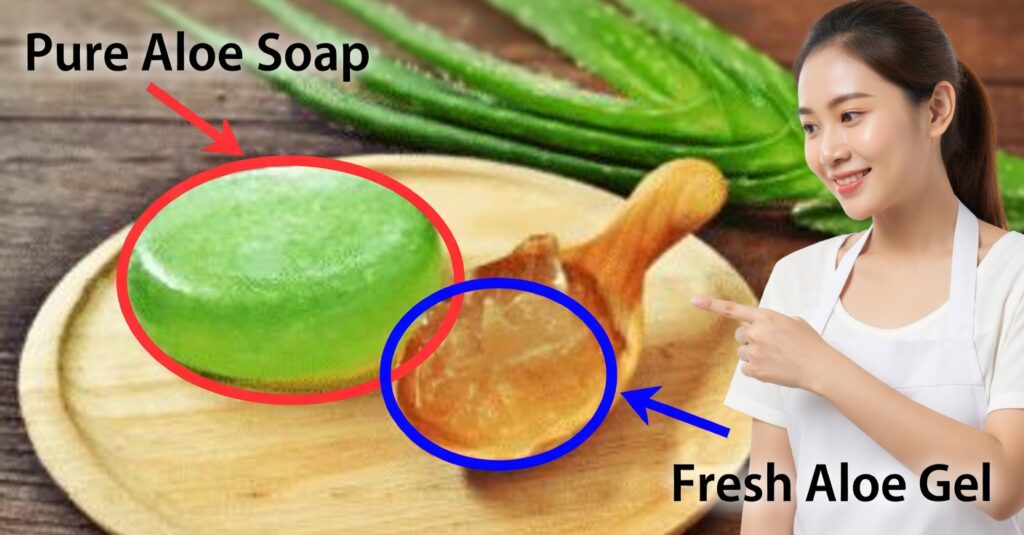
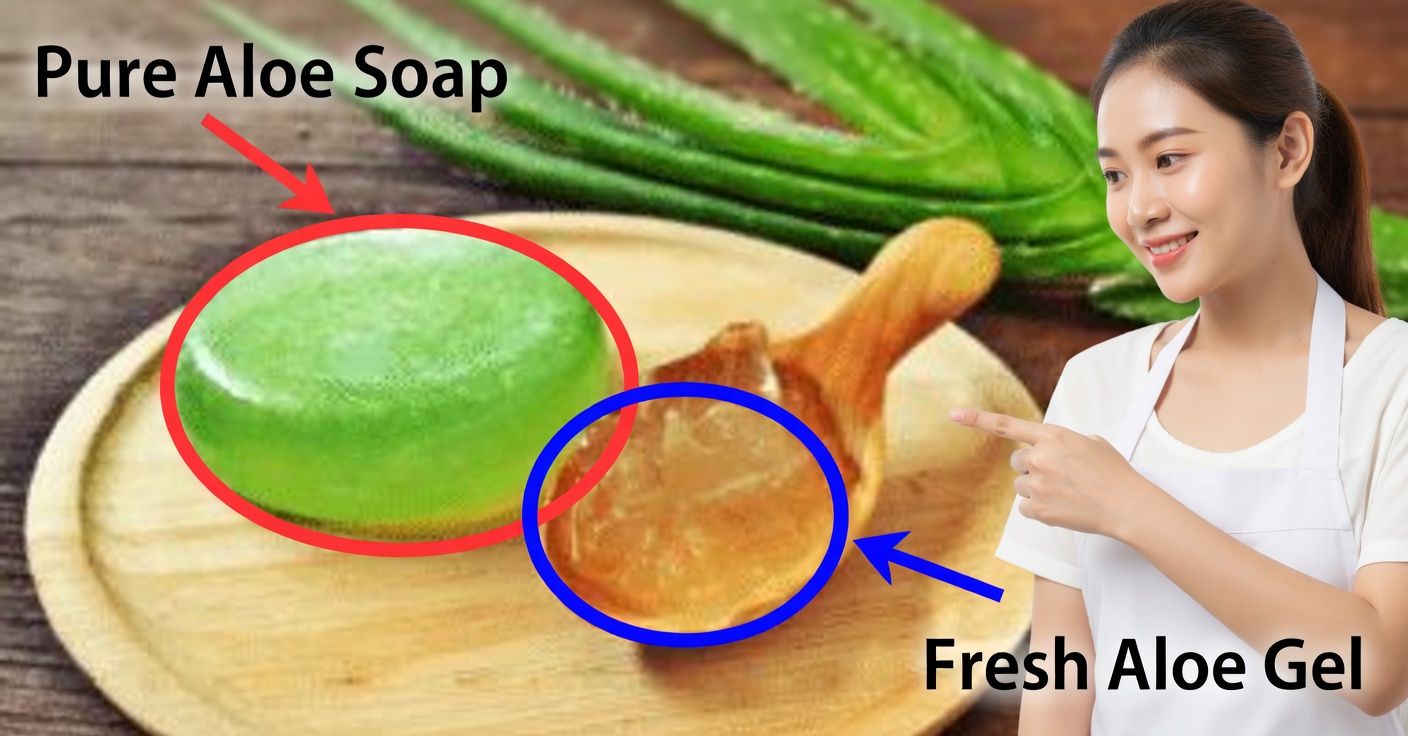
- 1 cup fresh aloe vera gel (ideally taken directly from the plant)
- 250 g transparent vegetable glycerin (melt-and-pour soap base)
- 1 teaspoon olive oil (optional, for extra nourishment)
- 10 drops of essential oil (lavender, rosemary, or tea tree are great choices)
Optional Exfoliants
To add a mild scrub effect, you can include:
- 1 teaspoon finely ground oats, or
- 1 teaspoon chia seeds
Step-by-Step: How to Make Aloe Vera Soap
1. Extract the Aloe Vera Gel
- Cut an aloe vera leaf close to the base of the plant.
- Trim off the spiky edges along the sides.
- Slice the leaf lengthwise and scoop out the clear pulp from the center.
- Rinse the pulp thoroughly under running water to remove the yellow sap (aloin), which can be irritating.
- Blend the gel until you get a smooth, liquid consistency.
2. Melt the Glycerin Base
- Cut the glycerin soap base into small cubes for easier melting.
- Place the cubes in a heat-safe container.
- Melt them using a double boiler (bain-marie) over low heat, stirring occasionally.
Avoid using the microwave to reduce the risk of overheating or burning the base.
3. Combine All Ingredients
- When the glycerin is fully melted, remove it from the heat.
- Add the blended aloe vera gel.
- Incorporate the olive oil (if using) and the essential oil drops.
- If you want an exfoliating soap, stir in the ground oats or chia seeds at this stage.
- Mix thoroughly until all ingredients are evenly combined and the texture is uniform.
4. Pour the Mixture into Molds
- Use silicone molds to make unmolding easier.
- Carefully pour the liquid soap mixture into the molds.
- If needed, level the surface with a spatula or spoon.
- Let the soap sit at room temperature for about 4–6 hours, or until completely firm.
5. Unmold and Store Your Soap
- Once solid, gently remove the soaps from the molds.
- Store them in an airtight container or wrap each bar in wax paper.
- Keep your aloe vera soap in a cool, dry place to extend its shelf life and preserve its properties.
Tips for Daily Use
- Use your aloe vera soap to cleanse your face in the morning and at night.
- It is also excellent as a body soap, especially after sun exposure or shaving, to calm and hydrate the skin.
- If you have combination or oily skin, start by using it once a day and observe how your skin responds.
- You can also use it as a gentle shaving soap or as a base cleanser before applying natural face masks.
Precautions and Recommendations
Even though aloe vera is a natural ingredient, some people may be sensitive or allergic to it. To stay safe:
- Perform a patch test: apply a small amount of lather to the inside of your forearm, wait 24 hours, and monitor for any reaction.
- If you experience burning, itching, or redness, rinse immediately and discontinue use.
Always make sure the aloe gel is thoroughly rinsed to remove the yellow aloin, as this component may irritate the skin if used in excess.
Conclusion
Homemade aloe vera soap is a simple, affordable, and highly effective way to care for your skin every day. With just a few natural ingredients, you can create a chemical-free bar packed with hydrating, soothing, and revitalizing benefits.
Used regularly, aloe vera soap helps keep your skin clean, moisturized, and youthful-looking, making it a valuable staple in any personal care routine. Creating your own skincare products not only supports healthier skin, but also benefits your overall well-being and reduces your impact on the environment.