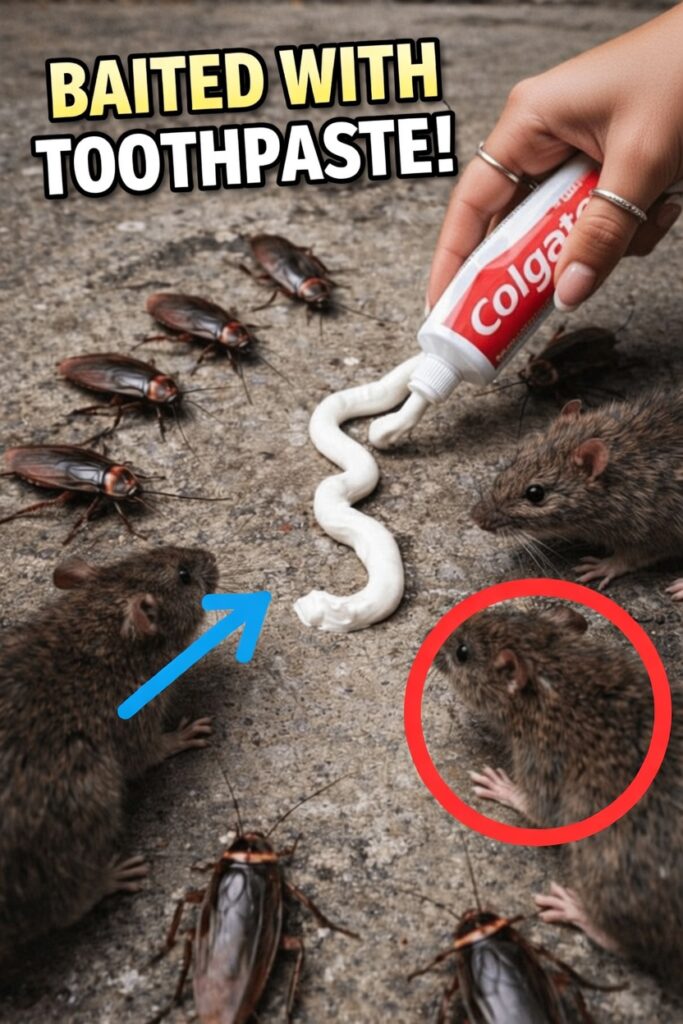
Can Toothpaste Help Deter Cockroaches, Ants, and Mice?
Finding cockroaches in the kitchen, ants on the counter, or mice hiding around the house can be stressful and unpleasant. These pests can spoil food, carry germs, and make your living space feel far less hygienic. Many homeowners rely on sprays, traps, or bait products, but those options can become expensive, may need repeated use, and often raise safety concerns for children and pets.
That is why some people look for simpler, more natural alternatives already available at home. One idea that often comes up is toothpaste. Since many toothpastes contain a strong mint scent, some believe it may help discourage certain pests as part of a broader home pest-control routine.
This article looks at whether toothpaste has any practical value in natural pest deterrence, what science suggests about mint-based repellents, and how it may fit into a more effective strategy for keeping your home pest-free.
Why Pests Enter Homes
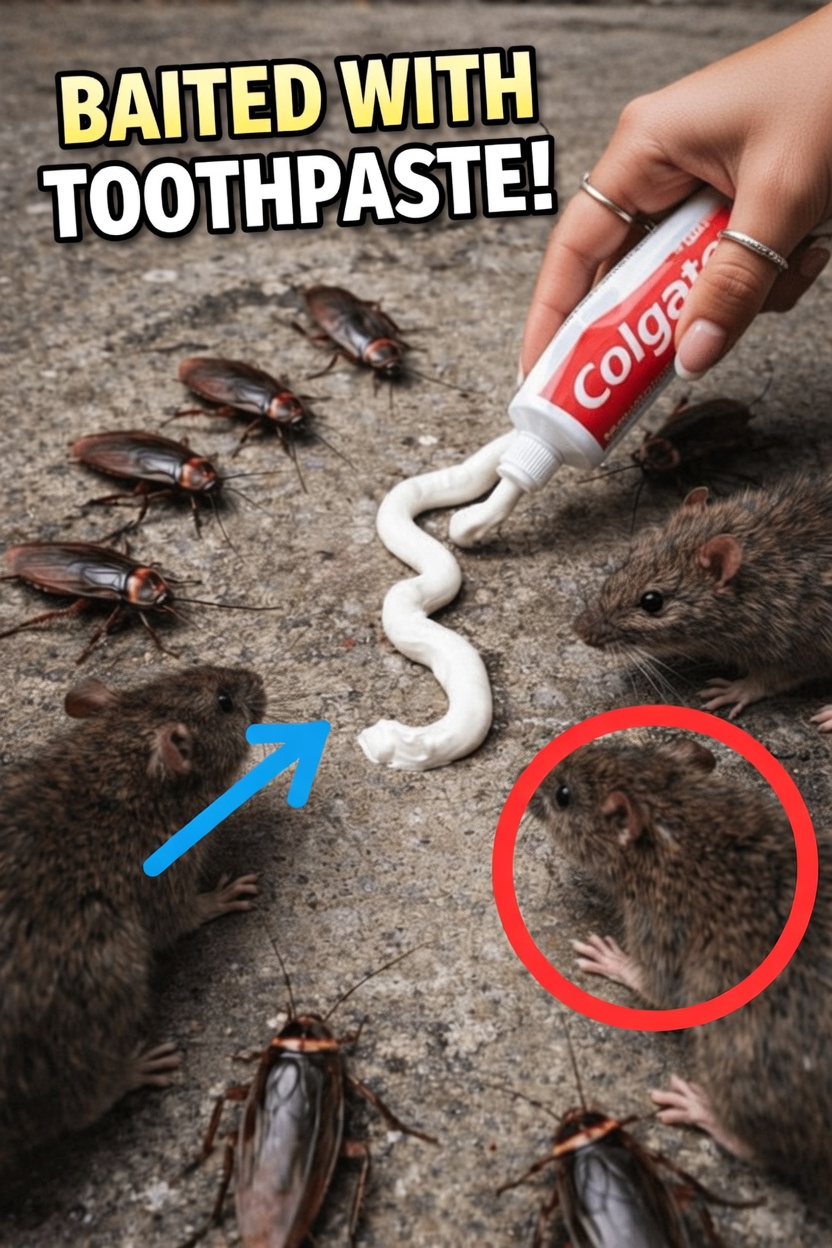
Most household pests invade for the same basic reasons: they are searching for food, moisture, and protection. A few crumbs left behind, dripping pipes, standing water, or cluttered storage spaces can quickly attract insects and rodents. Once they settle in, populations can grow fast, turning a small nuisance into a more serious infestation.
Although conventional pest-control products are often effective, not everyone wants to begin with harsher solutions. As a result, home remedies remain popular. People commonly experiment with items such as essential oils, vinegar, and other everyday products that may disrupt pest activity through strong smells or physical barriers.
Why Mint Is Linked to Natural Pest Control
A large number of toothpaste formulas are flavored with mint, especially peppermint or spearmint. Peppermint, in particular, is often associated with natural pest deterrence because of its intense smell. Some research on peppermint oil suggests that its aroma may interfere with the sensory systems of certain pests, including ants, spiders, and cockroaches.
Plant-based repellents have been studied for their ability to discourage insects from staying in treated areas. In laboratory settings, menthol-rich oils have shown some potential to affect how insects move, feed, or navigate. Because mint toothpaste contains similar aromatic compounds, some people assume it may produce a weaker version of the same effect.
However, there is an important limitation: toothpaste is made for dental care, not pest control. Its mint content is far less concentrated than pure essential oils or products specifically designed to repel insects or rodents.
Does Toothpaste Actually Work on Cockroaches, Ants, or Mice?
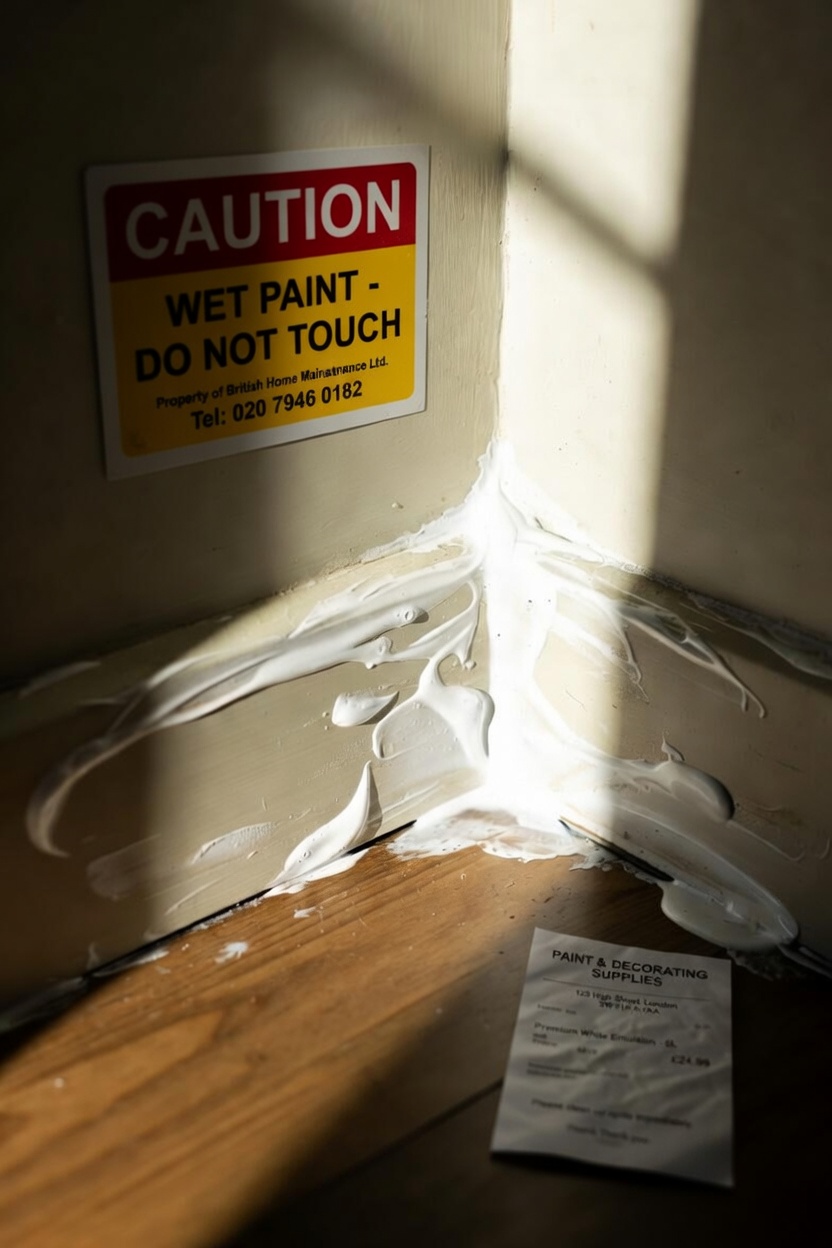
Online advice often claims that toothpaste can help keep pests away. Some people apply small lines of mint toothpaste near cracks, along baseboards, or in corners where pests tend to enter. The theory is simple: the smell may confuse ants, interrupt cockroach movement, or discourage mice that dislike strong odors.
Still, scientific support for this method is weak. Pest-control experts generally point out that while peppermint compounds can act as irritants or repellents in stronger forms, the amount found in toothpaste is usually too low to deliver consistent results. Other ingredients, such as fluoride, are not intended to kill or repel household pests in normal use.
So what is the realistic answer? Toothpaste may sometimes create a temporary scent-based barrier, but it should not be treated as a dependable solution on its own. At best, it can play a small supporting role while you focus on the real causes of infestation, such as poor sanitation or easy access points.
More Effective Natural Options to Consider
If you prefer gentler pest-management methods, there are several approaches that offer more promise than toothpaste alone. These strategies are often used together for better results.
1. Peppermint Oil Spray
Pure peppermint essential oil is much stronger than mint toothpaste. When diluted with water and sprayed around doors, windows, and cracks, it may provide a more noticeable repellent effect for some insects.
2. Better Cleaning Habits
Keeping your home clean is one of the most powerful ways to reduce pest problems. Focus on:
- Wiping down countertops every day
- Storing food in sealed containers
- Cleaning spills immediately
- Fixing leaking faucets or pipes
- Removing standing water
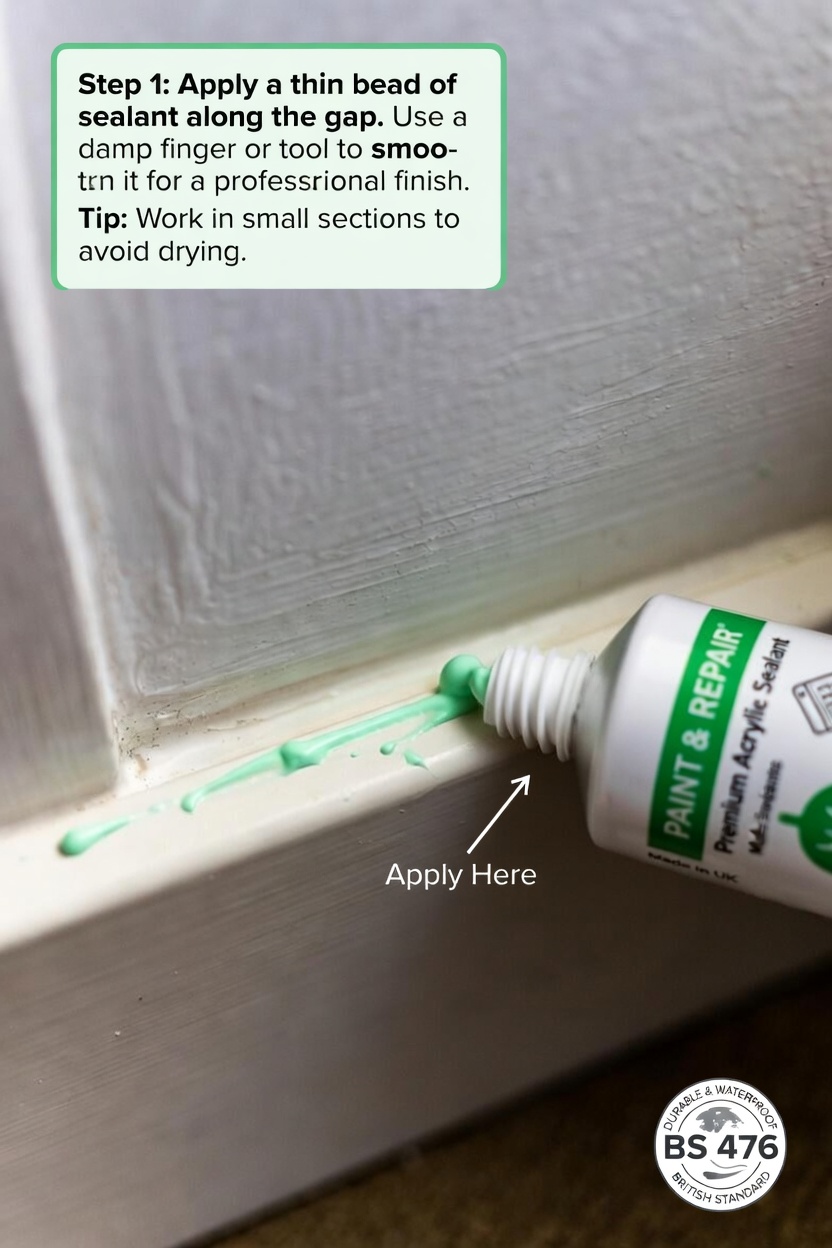
3. Sealing Entry Points
Even strong-smelling deterrents will not help much if pests can easily enter. Use practical barriers such as:
- Caulk for wall gaps and cracks
- Door sweeps for exterior doors
- Repaired window screens
- Cleaner outdoor areas free of debris
Quick Comparison of Common Natural Pest-Control Options
Here is a simple overview of several popular choices:
- Peppermint oil: Strong aroma, may help repel ants, spiders, and cockroaches, but requires repeated application.
- Mint toothpaste: Easy to find, inexpensive, and mild in scent, though evidence of effectiveness is limited.
- Diatomaceous earth: A natural powder that can dry out insects on contact; food-grade versions are commonly used in homes.
- Boric acid baits: Often effective for ants and cockroaches, but should be used carefully around children and pets.
In many cases, combining several methods works better than relying on only one.
How to Try Toothpaste Safely at Home
If you want to test toothpaste as part of your pest-control routine, do so carefully and with realistic expectations.
Simple Steps
- Select a mint-flavored toothpaste, preferably one with a strong peppermint smell.
- Apply a thin amount near possible pest entry areas, such as:
- Under sinks
- Along baseboards
- Near visible cracks or gaps
- Keep it away from spots where children or pets might touch or ingest it.
- Reapply every few days, since the smell fades quickly.
- Watch for any changes while also maintaining thorough cleaning.
This should be viewed as an experiment, not a guaranteed remedy. If pest activity continues, professional treatment may be necessary.
Prevention Is the Most Important Step
The biggest improvement usually comes from making your home less attractive to pests in the first place. Preventive habits reduce the need for both chemical and natural solutions.
Pest-Prevention Habits That Matter
- Store dry foods in airtight plastic or glass containers
- Empty trash often and use bins with lids
- Vacuum crumbs and clean spills right away
- Cut back plants and shrubs near your home’s foundation
- Install door sweeps and repair damaged screens
These steps address the root of the problem by removing access to food, water, and shelter.
When to Call a Professional
If you continue seeing cockroaches, ants, or mice after trying multiple measures, there may be a larger hidden issue. Persistent pest activity can point to nests behind walls, concealed entry points, or widespread contamination that home remedies cannot solve.
A licensed pest-control professional can identify the source of the infestation and recommend targeted, safer, and more reliable treatment options.
Conclusion: Toothpaste Is a Minor Helper, Not a Main Solution
Toothpaste is an interesting low-cost idea because of its minty scent, but it should be seen as a small supplemental tactic, not a miracle answer for pest problems. While it may offer a short-lived deterrent effect in some situations, it does not replace proven methods.
A smarter approach is to combine mild natural options with strong prevention habits, proper sanitation, and sealed entry points. Used carefully, toothpaste may be worth testing, but lasting pest control depends much more on keeping your home clean, dry, and difficult for pests to enter.
Frequently Asked Questions
Does mint toothpaste repel ants?
It may briefly discourage ants from crossing certain treated areas because of the strong smell, but results are inconsistent. Concentrated peppermint oil is usually considered more effective.
Is toothpaste dangerous for pets?
Toothpaste is not intended for animals to consume. If you use it around the house, place it only in areas that pets cannot reach. Pet-safe alternatives are a better choice when possible.
Is toothpaste better than chemical pest sprays?
That depends on your goal. Toothpaste is cheaper, milder, and easier to use, but it is also much less powerful. For serious infestations, proven pest-control products or professional services are usually more effective.