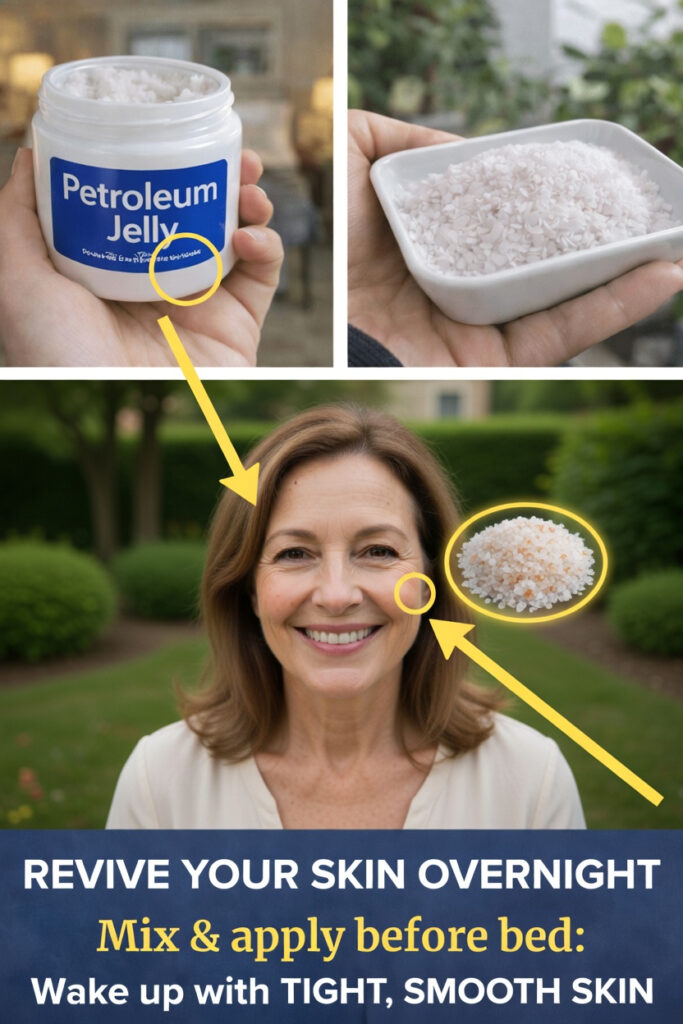
Petroleum Jelly and Salt for Dry Skin: Can This Simple DIY Combo Help?
Dry, rough skin is a common issue, especially in cold weather or after long days when the skin starts to feel tight, flaky, and uncomfortable. It can also make the skin appear dull and less flexible, which often affects both comfort and appearance. Although store-bought moisturizers are widely available, many people still explore basic household ingredients to give their skincare routine an extra boost.
A well-known DIY method is mixing petroleum jelly with a small amount of salt to create a simple at-home skin treatment. This article looks at the potential benefits of that combination, how it may support smoother and better-hydrated skin, how to use it carefully, and what precautions you should know before trying it.
Why Petroleum Jelly Remains a Skincare Essential
Petroleum jelly, commonly recognized through products such as Vaseline, has long been used to protect and soften dry skin. Its main function is to act as an occlusive, which means it creates a barrier over the skin to help hold in moisture and reduce water loss.
According to dermatology experts, including guidance often referenced by organizations like the American Academy of Dermatology, petroleum jelly can help reinforce the skin barrier, especially on dry, cracked, or irritated areas. It is frequently recommended for places that tend to become rough, such as the lips, heels, knees, and elbows. When applied to skin that is clean and slightly damp, it can help preserve moisture for hours, including overnight.
Its uncomplicated formula is also one reason it remains so popular across many skincare routines.
How Salt Can Support Gentle Exfoliation
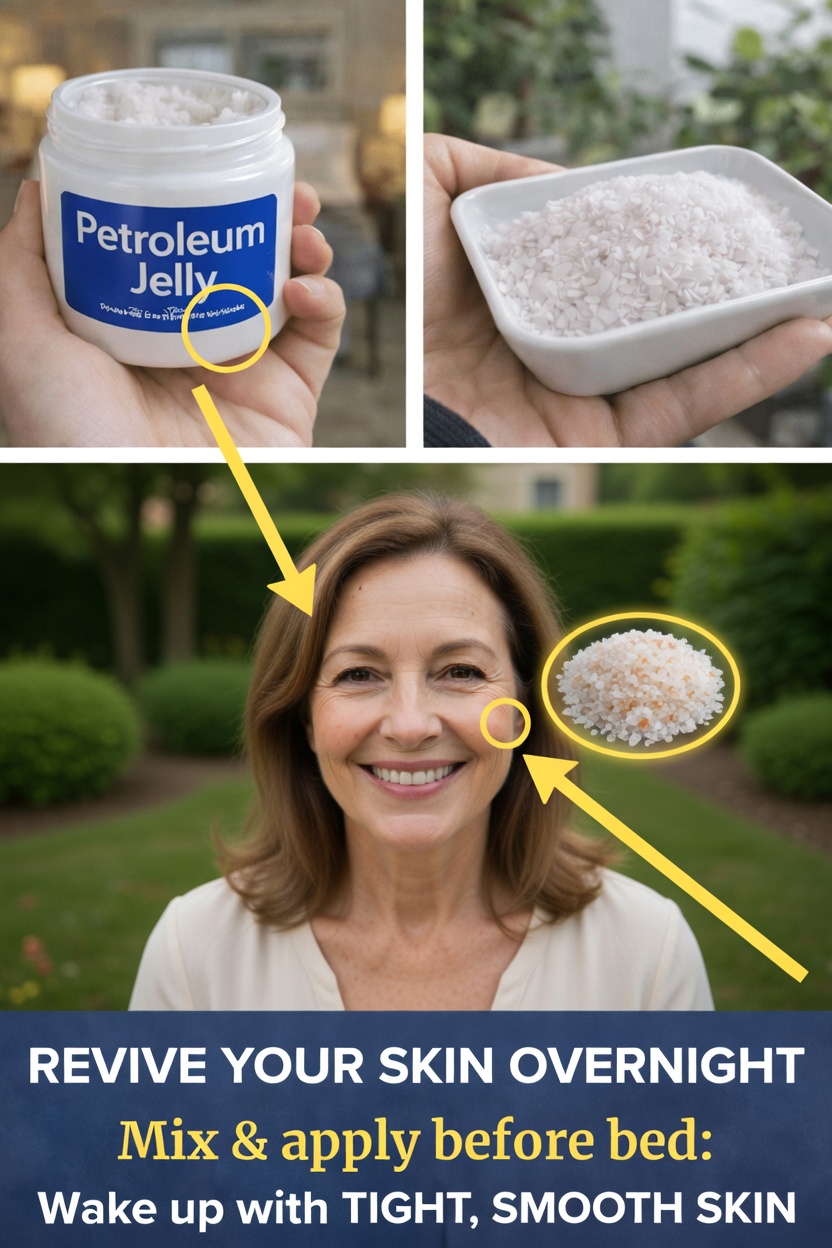
Salt, especially fine sea salt or regular table salt, is often used in DIY scrubs because its grainy texture can help remove buildup from the skin’s surface. This mild physical exfoliation may lift away dead skin cells, leaving the skin feeling softer and fresher.
Some research on natural exfoliating methods suggests that gentle mechanical exfoliation can improve the look and feel of the skin by smoothing texture and reducing surface dullness. Salt also contains trace minerals, which some people believe may support skin health, although topical benefits in this area are mostly based on personal experience rather than strong clinical proof.
When used together in the right way, petroleum jelly and salt create an interesting balance between exfoliation and moisture support.
How Petroleum Jelly and Salt May Work as a Duo
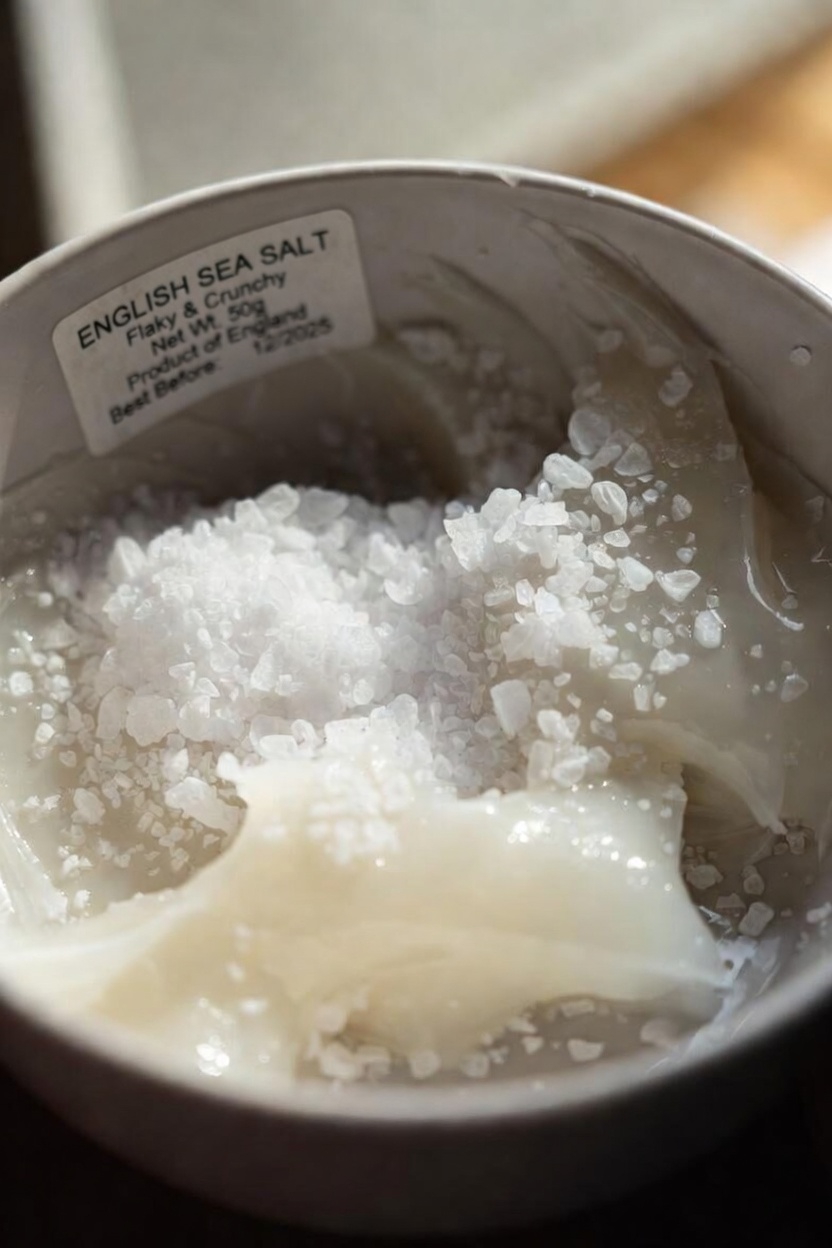
Adding a small amount of salt to petroleum jelly forms a textured paste. In this mixture, petroleum jelly helps protect the skin and seal in hydration, while the salt provides light exfoliation. Used gently and only from time to time, this combination may help:
- Remove dead skin buildup that contributes to a dull appearance
- Leave rough areas feeling smoother
- Support moisture retention after exfoliation
- Offer a simple and inexpensive body-care option at home
Many people say their skin feels softer by the next morning when they use this mixture lightly on rough body areas such as feet, elbows, or legs. It is generally better suited for thicker skin on the body than for delicate facial skin.
Quick Comparison: Petroleum Jelly, Salt, and the Combination
Here is a simple breakdown of how each option works:
- Petroleum jelly alone — Excellent for locking in moisture, but it does not exfoliate
- Salt alone — Can help scrub away dead skin, but may leave the skin dry if not followed by moisture
- Petroleum jelly and salt together — Offers mild exfoliation along with a moisture-sealing base
This easy combination is popular in DIY skincare because it is affordable, accessible, and easy to prepare.
How to Use Petroleum Jelly and Salt at Home
If you want to test this method in your evening skincare routine, follow these steps carefully for safer use:
-
Clean the skin first
Wash the area with a gentle cleanser. Pat it dry, but leave the skin slightly damp so moisture can be sealed in more effectively. -
Prepare your ingredients
Use pure petroleum jelly and fine salt. Avoid coarse salt because larger crystals may scratch the skin. -
Mix a small amount
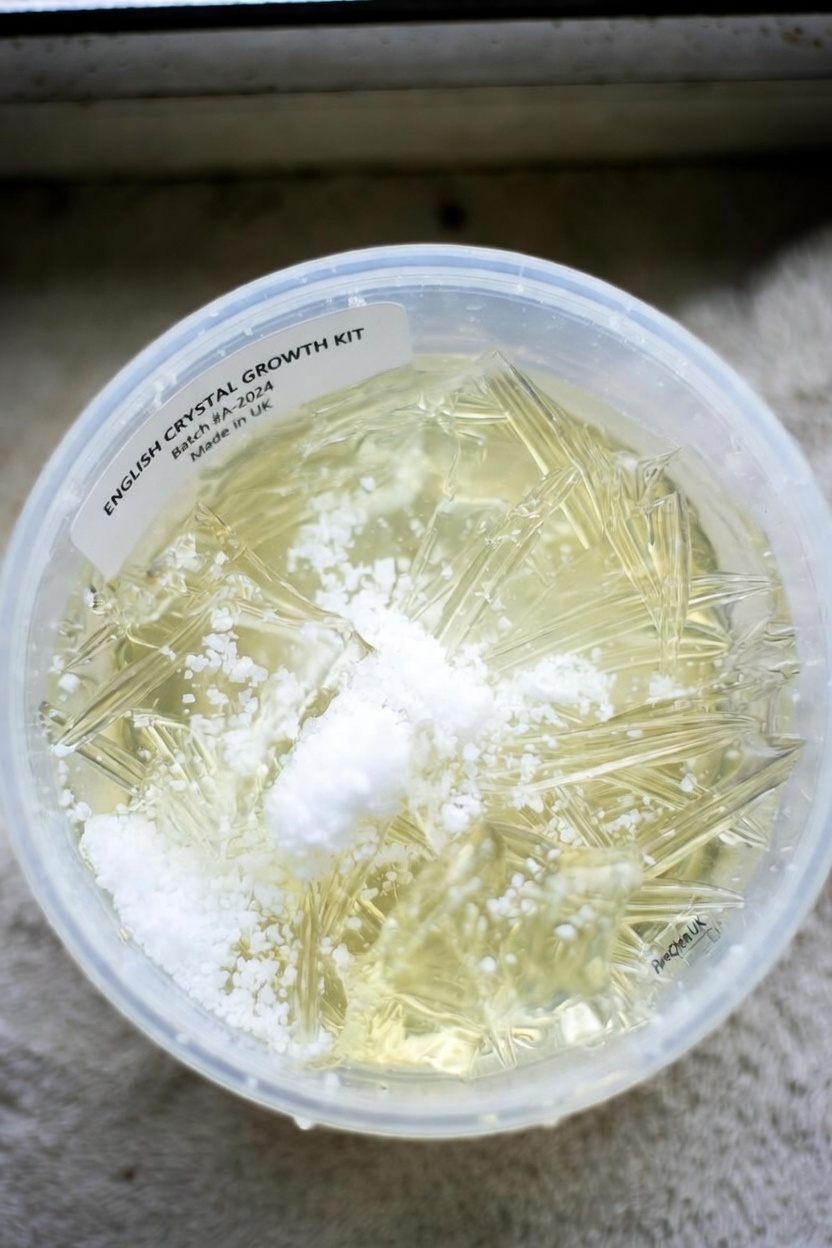
In a clean bowl, combine about 1 to 2 teaspoons of petroleum jelly with a small pinch of fine salt, around 1/2 teaspoon or less. Stir until the mixture becomes spreadable but still slightly grainy. -
Apply with light pressure
Using clean fingers, massage the mixture onto dry body areas in soft circular motions. Focus on rough patches such as feet, legs, arms, or elbows. Do not use it on broken skin, around the eyes, or on sensitive areas. -
Leave it on or rinse later
For body care, some people apply it at night and rinse it off in the morning if desired. On very dry spots, a thin layer may be left overnight. -
Moisturize if needed
The next morning, rinse with lukewarm water and apply your usual moisturizer if your skin needs extra hydration.
To reduce the risk of irritation, use this treatment no more than 1 to 2 times a week.
Important Safety Tips Before You Try It
Although this mixture works well for some people, it is not ideal for every skin type. Salt can become too abrasive when used too often or with too much pressure, potentially leading to irritation or tiny surface damage. Petroleum jelly is usually well tolerated, but in some cases it may trap oil, sweat, or debris, which can contribute to clogged pores and breakouts.
Keep these precautions in mind:
-
Do a patch test first
Apply a small amount to the inside of your arm and wait 24 hours. If redness, burning, or itching appears, do not use it. -
Avoid it if you have active acne, rosacea, or highly sensitive skin
The salt may worsen inflammation or discomfort. -
Do not use it on the face every day
If your goal is facial exfoliation, gentler products are usually a better choice. -
Choose high-quality petroleum jelly
Look for pure, refined, triple-distilled versions to reduce the chance of unwanted impurities.
Experts consistently note that while petroleum jelly can be very effective for supporting the skin barrier, results can vary depending on your individual skin type.
Who May Benefit Most From This DIY Treatment?
This approach may be especially appealing for people who:
- Have very dry or rough skin on the body
- Want an affordable way to boost moisture retention
- Prefer simple, minimal-ingredient home remedies
- Need extra skin protection during colder or drier seasons
It can be particularly useful for areas that often become coarse and dehydrated, such as heels, knees, and elbows.
Final Thoughts
Using petroleum jelly with a small amount of salt can be a simple way to combine mild exfoliation with moisture-locking care. For many people, it helps the skin feel softer, smoother, and more comfortable, especially on rough body areas.
As with any DIY skincare method, the key is to use it thoughtfully and pay attention to how your skin responds. Basic ingredients can still be effective when used in the right way.
FAQ
Can I use petroleum jelly and salt every night?
No. It is best to limit this treatment to 1 or 2 times per week. Using salt too often may irritate the skin and lead to over-exfoliation.
Is this mixture safe for the face?
It depends on your skin type, but for most people, this combination is better suited to the body than the face. If you are unsure, ask a dermatologist before applying it to facial skin.
What should I do if my skin feels dry afterward?
Rinse gently with lukewarm water and apply a hydrating moisturizer. Since salt exfoliates the skin, following up with extra moisture can help restore comfort and balance.