
Garlic Storage and Safety: How to Keep It Fresh Without the Risk
Garlic is a daily staple for many people, valued for its strong flavor and its possible health-supporting properties. Research suggests that garlic compounds may help support cardiovascular health and normal immune function when eaten as part of a balanced diet. Still, storage matters more than most people realize.
When garlic is handled the wrong way, certain conditions can allow harmful bacteria to grow. One of the most serious—though uncommon—concerns is botulism linked to homemade garlic stored in oil. That can sound alarming, especially if you have been leaving peeled cloves in oil at room temperature or tossing whole bulbs into the refrigerator without much thought.
The good news is that garlic is easy to keep safe with a few simple changes. And there is one small preparation habit, often ignored, that can make a big difference in how you use garlic every day.
Why Garlic Needs Proper Storage and Handling
Garlic has long been a favorite ingredient across global cuisines because it is flexible, flavorful, and deeply rooted in traditional eating patterns. According to organizations such as the National Center for Complementary and Integrative Health, garlic is generally considered safe and well-tolerated in normal food amounts.
When garlic is chopped or crushed, it produces allicin, the compound largely responsible for its distinctive smell and many of the qualities people associate with garlic. But despite its benefits, garlic is also a low-acid vegetable, which is important when it comes to food safety.
Under low-oxygen conditions and at room temperature, some garlic preparations can become risky. The USDA and CDC warn especially about homemade garlic-in-oil mixtures left unrefrigerated. Oil can create an oxygen-poor environment where Clostridium botulinum spores, which occur naturally in soil, may produce dangerous toxins. The problem is that these toxins cannot be reliably identified by smell, taste, or appearance.

That said, whole garlic bulbs used in normal home cooking are typically very low risk when stored correctly. Most problems come from avoidable mistakes in storage and preparation.
7 Common Garlic Mistakes and How to Avoid Them
Most garlic-related issues are easy to prevent. Here are the most common mistakes and the best ways to fix them.
1. Leaving Garlic in Oil at Room Temperature
Storing peeled or chopped garlic in oil on the counter creates the exact environment that can support bacterial growth.
Fix:
- Refrigerate homemade garlic-in-oil mixtures immediately
- Make only small amounts
- Use them within 4 days at most
- For longer use, choose commercial garlic oils made with added acidifiers
2. Storing Whole Bulbs in the Refrigerator
The refrigerator may seem like a safe place, but the cold, damp environment can actually encourage garlic to sprout or mold more quickly.
Fix:
- Keep whole, unpeeled bulbs in a cool, dry, dark place
- Use a mesh bag, paper bag, or open basket
- Aim for a storage temperature around 56–58°F, such as a pantry or cupboard
3. Separating the Bulb Too Soon
Once garlic cloves are detached from the head, they lose freshness faster and may dry out or spoil sooner.
Fix:
- Leave the bulb whole until you need it
- Peel only the cloves you plan to use right away
4. Overlooking Signs of Spoilage
Soft texture, mold, discoloration, and excessive sprouting are all signs that garlic quality has dropped.
Fix:
- Check your garlic regularly
- Discard bulbs that feel mushy, look moldy, or show major damage
5. Depending Too Much on Jarred Minced Garlic
Pre-minced garlic in jars is convenient, but it often contains preservatives and usually lacks the flavor intensity of fresh garlic.
Fix:
- Use fresh garlic whenever possible for better taste and fresher quality
- Save jarred garlic for convenience, not as your main option
6. Cooking Garlic Immediately After Crushing It
If garlic goes straight into the pan after chopping or crushing, you may reduce the time needed for allicin to develop.
Fix:
- Crush or chop the garlic first
- Let it rest for 5 to 10 minutes before heating
7. Using Sealed Plastic Bags Without Airflow
Garlic stored without ventilation can trap moisture, which increases the chance of mold and faster decay.
Fix:
- Store garlic in breathable containers
- Good choices include wire baskets, mesh bags, or paper bags
There is also one more simple step that can completely improve how you keep garlic ready for daily use.
Best Ways to Store Garlic for Everyday Cooking
If you want garlic to stay fresh longer and remain safe to use, these methods work well.
Whole Bulbs
For whole heads of garlic, proper airflow is the key.
Best method:
- Store in a cool, dry, well-ventilated place
- Keep out of direct sunlight
- Expect a shelf life of about 3 to 6 months
Peeled Cloves
Once garlic is peeled, it becomes more vulnerable to drying out and spoilage.
Best method:
- Place peeled cloves in an airtight container
- Keep them in the refrigerator
- Use within 1 to 2 weeks
Chopped or Minced Garlic for Longer Storage
If you prep garlic in advance, freezing is usually the safest and most practical long-term option.
Best method:
- Mince fresh garlic
- Divide into small portions
- Mix lightly with a bit of water or oil if desired
- Freeze in ice cube trays
- Transfer frozen cubes to a freezer-safe container
This method keeps garlic usable for months and makes meal prep easier.
Roasted Garlic
Roasted garlic is softer, sweeter, and great for soups, sauces, and spreads.
Best method:
- Roast whole bulbs
- Squeeze out the cooked cloves
- Refrigerate in a covered container for about 1 week
- Freeze for longer storage
Quick Garlic Storage Guide
Here is a simple comparison of the most common methods:
- Room temperature for whole bulbs: Best choice for freshness and long storage when airflow is good
- Refrigerator for peeled cloves: Useful for short-term storage, but quality declines faster
- Freezer for chopped or minced garlic: Best for longest storage and daily cooking convenience
- Homemade garlic in oil: Only safe if refrigerated and used quickly; never leave it at room temperature
These habits help preserve flavor while reducing unnecessary food safety concerns.
How to Use Garlic More Effectively in Everyday Meals
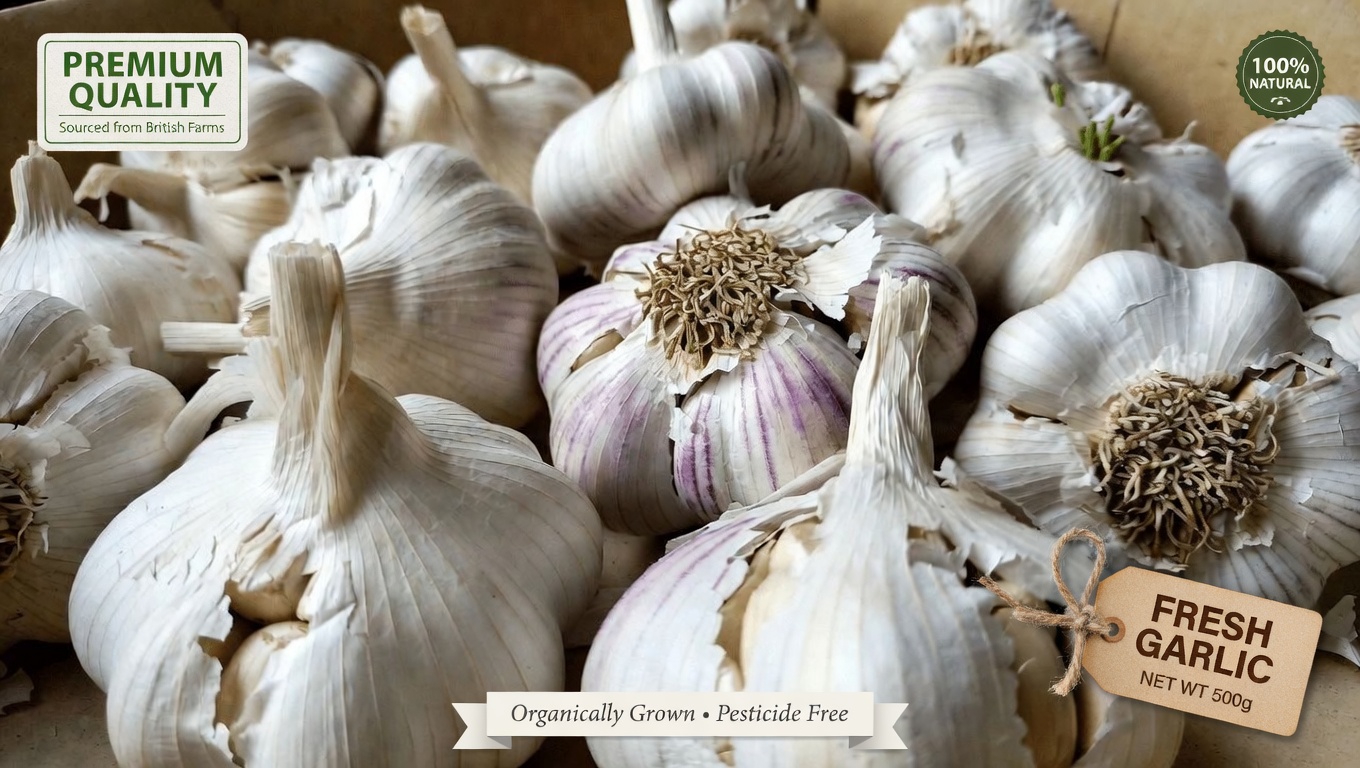
Using garlic well begins with buying the right bulbs. Choose heads that feel firm, heavy, and dry, with no soft spots or obvious mold. Avoid bulbs that look damp or damaged.
For cooking, fresh garlic often tastes best when added later in the sautéing process instead of at the very beginning, since overcooking can dull its aroma. Roasting whole garlic heads is another excellent option if you want a softer, milder flavor for soups, mashed vegetables, dressings, or spreads.
A moderate daily amount, such as 1 to 2 cloves in meals, is enough for most people who want to enjoy garlic regularly. It pairs especially well with vegetables, grains, legumes, lean proteins, and olive oil-based dishes.
One especially useful trick is to let crushed garlic sit briefly before cooking. That short waiting period helps allicin form more fully, which may improve both flavor and the natural qualities people value most in fresh garlic.
Final Thoughts: Enjoy Garlic Safely and Confidently
Garlic can be a smart, flavorful addition to everyday meals when you store and prepare it properly. Keep whole bulbs in a cool, dry place, refrigerate prepared garlic for short-term use, and be especially cautious with homemade oil mixtures.
With a few simple habits, you can enjoy garlic’s taste and potential wellness benefits without worrying about avoidable safety issues.
FAQ
How long does fresh garlic last when stored correctly?
Whole bulbs can last around 3 to 6 months if kept in a cool, dry, well-ventilated place. Peeled cloves usually stay fresh for 1 to 2 weeks in the refrigerator.
Is homemade garlic in olive oil safe?
It can be used safely only if refrigerated right away and consumed within a few days. Many food safety experts advise against storing homemade garlic oil long-term and recommend commercial acidified versions instead.
Can you still use garlic that has sprouted?
Yes. Sprouted garlic is generally safe to eat, although the green shoot can taste bitter. Remove the sprout if you prefer, and use the clove as long as it is still firm and not spoiled.