Vitamin E Supplements: Benefits, Risks, and What the Research Says About Blood Clotting
Many people take vitamin E supplements for their antioxidant properties, heart support, or skin-related benefits. Yet growing research has raised an important question: could larger supplemental doses affect blood clotting and, in some cases, alter certain health risks, particularly in older adults?
Current evidence suggests that vitamin E from food is generally beneficial and well-tolerated. The bigger concern tends to involve high-dose supplements, especially amounts that exceed standard daily needs. In other words, the impact of vitamin E often depends on both the dose and the source.
What if a supplement you view as protective could also create subtle unintended effects? Understanding the evidence can help you make smarter, safer decisions.
What Vitamin E Does in the Body
Vitamin E is a fat-soluble nutrient best known for its antioxidant activity. It helps shield cells from oxidative stress caused by free radicals. Although vitamin E exists in several forms, alpha-tocopherol is the type most commonly found in supplements and the form the body uses most efficiently.
For most adults, a healthy diet already provides enough vitamin E. Common sources include:
- Nuts
- Seeds
- Vegetable oils
- Leafy green vegetables
The recommended daily intake for adults is about 15 mg, which is roughly 22 IU of alpha-tocopherol. At this level, vitamin E supports normal immune function, eye health, and skin maintenance without major safety concerns.
However, many supplements contain much larger amounts, often 400 IU or more, and are promoted as offering extra protection. Research suggests that higher supplemental doses may affect platelet activity and interact with vitamin K, a nutrient essential for normal blood clotting.
What Research Shows About High-Dose Vitamin E and Stroke
A number of randomized controlled trials and meta-analyses have explored whether vitamin E supplements influence stroke risk. One widely cited 2010 meta-analysis of major clinical trials found a mixed picture:
- Hemorrhagic stroke risk increased modestly, by about 22%
- Ischemic stroke risk decreased slightly, by around 10%
- Total stroke risk did not change significantly overall
More recent reviews, including research published from 2020 onward, continue to show that high-dose vitamin E does not clearly lower overall stroke risk. Some findings also point to a possible rise in bleeding-related complications, especially at doses above 400 IU per day.
These concerns may be greater in people who already have risk factors, such as:
- High blood pressure
- Use of blood-thinning medications
- Existing clotting or bleeding issues
It is also important to keep the numbers in perspective. In many cases, the absolute risk remains low. Some estimates suggest roughly one extra hemorrhagic stroke per 1,250 supplement users. Still, because hemorrhagic strokes can be especially severe, experts generally advise caution with routine high-dose supplementation.
How Vitamin E Can Affect Blood Clotting
At high supplemental levels, vitamin E may produce mild blood-thinning effects. Researchers believe it may work through several mechanisms:
- Slightly interfering with vitamin K-dependent clotting factors
- Reducing platelet aggregation, which makes platelets less likely to clump together
- Increasing the effect of medications such as aspirin or warfarin
These effects may help explain why excessive supplemental intake has been linked in some cases to:
- Easier bruising
- Longer bleeding after small cuts
- Rare but more serious bleeding events
By contrast, vitamin E from food does not usually cause these problems. Whole foods provide more moderate amounts, and absorption happens gradually as part of a meal.
Food vs. Supplements: Why the Source Matters
The source of vitamin E can make a meaningful difference.
Vitamin E From Food
Examples include:
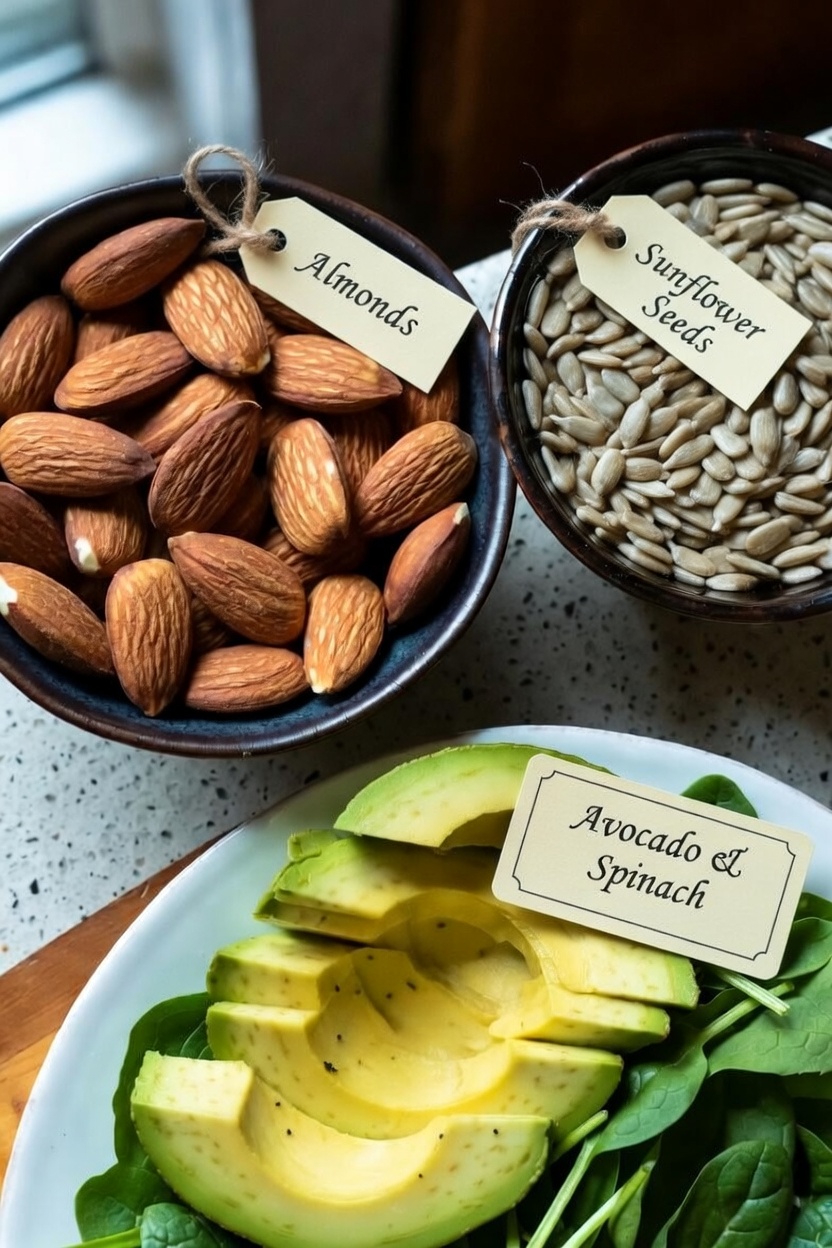
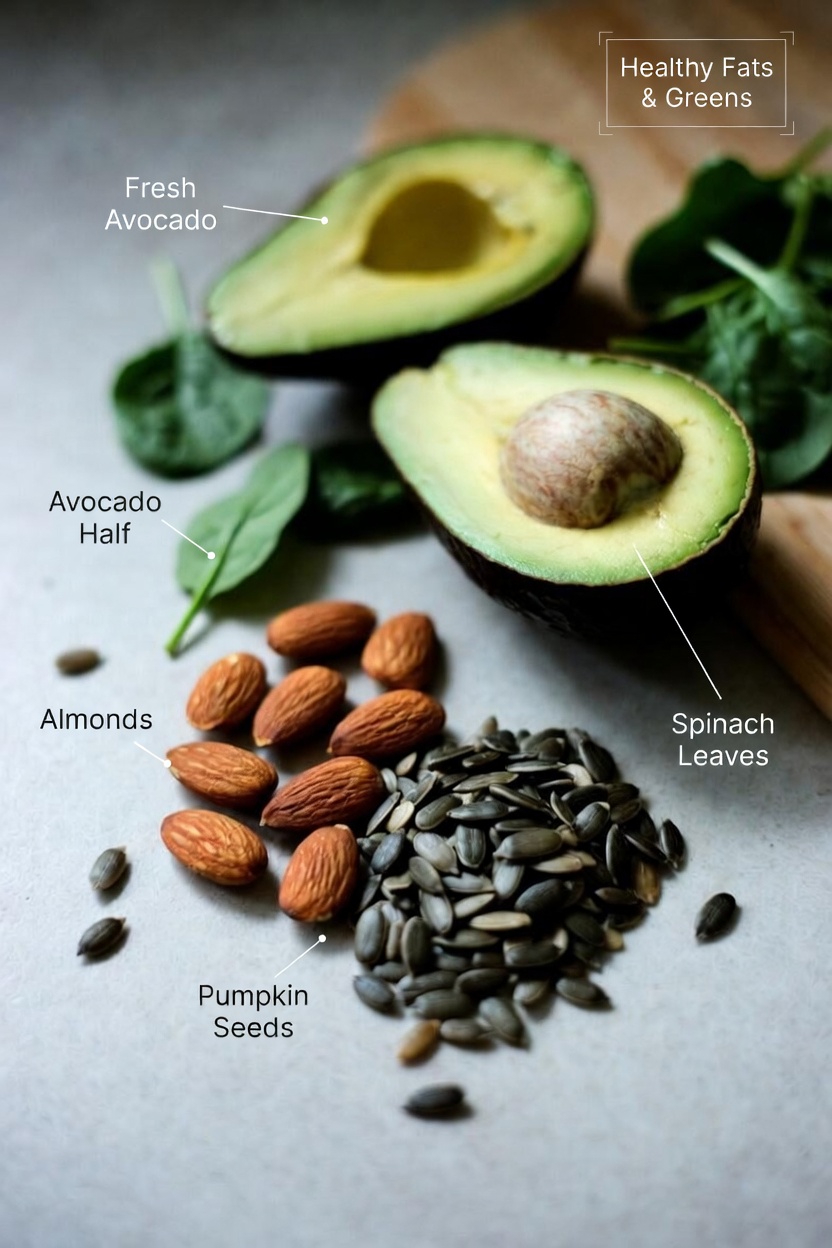
- Almonds
- Sunflower seeds
- Spinach
- Avocado
These foods provide naturally occurring mixed tocopherols, which are absorbed more slowly and in balanced amounts. Observational studies often associate dietary vitamin E with possible protective effects for overall stroke risk, without the bleeding concerns seen with high-dose supplements.
Low-Dose Supplements
Supplements containing up to 200 IU are generally considered well-tolerated for most people. While they may offer modest support, strong evidence for major additional benefits is limited.
High-Dose Supplements
Products with 400 IU or more can raise blood levels more quickly and more dramatically. Meta-analyses link these higher doses to mixed outcomes:
- Possible slight reduction in ischemic stroke
- Possible increase in hemorrhagic stroke and bleeding-related concerns
Overall, research consistently supports a food-first approach as the safer and more balanced option.
How to Get Vitamin E Safely
If you want the benefits of vitamin E without unnecessary risk, these practical steps can help:
-
Focus on whole foods first
- A handful of almonds provides about 7 mg of vitamin E
- Sunflower seeds are another easy addition
- Half an avocado can also contribute meaningful amounts
-
Read supplement labels carefully
- If you choose a supplement, staying at 200 IU or less is often a more cautious approach unless your healthcare provider recommends otherwise
-
Review your medications
- If you take blood thinners, antiplatelet drugs, or have a history of bleeding issues, speak with your doctor before using vitamin E supplements
-
Watch for warning signs
- Unusual bruising
- Frequent nosebleeds
- Cuts that bleed longer than expected
-
Keep up with routine check-ups
- Regular medical visits and basic blood work can help track your overall health and nutritional status
Taken together, current evidence suggests that moderation and dietary sources offer the safest path.
Why Moderation Is So Important
Vitamin E is not automatically harmful, even in supplement form. But the research points to a pattern in which too little or too much may both be less than ideal. This is sometimes described as a U-shaped relationship.
Whole foods appear to provide a gentle, steady supply of vitamin E without pushing the body toward unwanted clotting or bleeding effects. For many people, getting nutrients from food feels more reassuring than relying on high-dose pills with uncertain long-term effects.
Sometimes a simple dietary change, such as adding nuts or seeds to your meals, can deliver the support you want without the concerns tied to larger supplement doses.
Frequently Asked Questions
Is vitamin E from food associated with the same risks as supplements?
No. Research shows that vitamin E from food is generally linked to neutral or potentially lower overall stroke risk, and it does not appear to carry the same bleeding concerns associated with high-dose supplements.
Who should be especially careful with vitamin E supplements?
People who should use extra caution include those who:
- Take blood-thinning or antiplatelet medications
- Have bleeding disorders
- Are preparing for surgery
- Have a history of unusual bruising or bleeding
In these situations, high-dose vitamin E could increase risk and should be discussed with a healthcare provider.
What is considered a safe upper limit?
Many health authorities list the tolerable upper intake level for adults at 1,000 mg per day, which is about:
- 1,500 IU of natural vitamin E
- 1,100 IU of synthetic vitamin E
Even so, many experts recommend staying well below that amount, ideally under 400 IU daily, unless a clinician specifically advises a higher dose.
Final Takeaway
Vitamin E remains an important nutrient, but more is not always better. Food sources offer balanced support with fewer concerns, while high-dose supplements may influence blood clotting and slightly raise the risk of bleeding-related events in some individuals.
A moderate, food-first strategy is the most sensible choice for most people based on current evidence.
This article is for informational purposes only and should not replace professional medical advice. Always consult your healthcare provider for guidance tailored to your individual needs.