Garlic and Wellness: What Science Really Says About This Everyday Ingredient
In a world where people constantly juggle stress, fatigue, and seasonal illness, it is natural to look for simple ways to stay well. Many want to strengthen their body’s defenses without depending entirely on pills or supplements. Among the foods often discussed for natural wellness support, garlic stands out. Used for centuries in traditional diets and remedies, this strong-smelling bulb has also attracted attention in modern research.
So, what do studies actually reveal about garlic? Let’s look at the compounds inside it, the ways it may support health, and easy methods for adding it to your daily meals. There is also one important takeaway at the end that may completely reshape how you view this common kitchen staple.
Why Garlic Is Unique: A Look at Its Active Compounds
Garlic, known scientifically as Allium sativum, is far more than a seasoning. It contains a variety of biologically active substances, especially sulfur-based compounds. The most well-known of these is allicin, which develops when fresh garlic is chopped, crushed, or minced. This reaction happens when the enzyme alliinase comes into contact with alliin, a natural compound already found in the clove.
Laboratory research has shown that allicin and similar sulfur compounds may have antimicrobial activity under controlled conditions. In test-tube studies, they appear capable of interfering with certain bacterial functions by reacting with enzyme thiol groups, which may disrupt microbial processes. Garlic has been examined against different gram-positive and gram-negative bacteria, along with some viruses and fungi.
However, there is an important distinction to keep in mind. These effects are most evident in fresh, crushed garlic. Once garlic is heavily processed or cooked, allicin breaks down quickly, which may reduce some of its most studied properties.
Still, garlic’s possible value is not limited to direct antimicrobial action. Researchers have also explored how it may help the immune system function more effectively.
How Garlic May Help Support the Immune System
Your immune system is constantly working to protect and regulate your body, and diet can play a role in supporting that process. Garlic has been investigated for its potential to assist immune function in several ways.
Some studies on aged garlic extract, a more stable preparation of garlic, suggest it may improve the activity of immune cells such as natural killer (NK) cells and gamma-delta T cells. These cells are important for immune surveillance and response. In one human study conducted during cold and flu season, people who took aged garlic extract reported fewer days of feeling unwell and experienced milder symptoms than those given a placebo, even though the total number of illnesses may not have changed dramatically.
Researchers have also looked at garlic’s role in influencing inflammation and oxidative stress, two factors closely tied to overall health. Allicin and related compounds may affect biological pathways involved in immune regulation, which could offer broader support for wellness.
The key point is simple: garlic is not a miracle barrier against illness, but eating it regularly may help contribute to a stronger, more resilient system when paired with healthy daily habits.
Garlic’s Broader Benefits for Everyday Health
Garlic has also been studied beyond its role in immune support. Research suggests it may offer several additional wellness benefits when included as part of a balanced lifestyle.
Cardiovascular Support
A number of reviews indicate that garlic may help support healthy blood pressure and cholesterol levels in some individuals. Its sulfur compounds are thought to encourage better circulation and help protect blood vessels from oxidative stress.
Antioxidant Protection
Garlic contains compounds that act as antioxidants, helping the body deal with free radicals that contribute to daily cellular stress and damage over time.
Metabolic Health
Some findings suggest that regular garlic intake may be linked to healthier glucose control and lower levels of certain inflammation markers, although results can vary.
These effects are generally more noticeable when garlic is part of a nutritious eating pattern, rather than being treated as a standalone solution.
Comparing Common Forms of Garlic
Not all garlic products work in the same way. Different preparations offer different strengths.
- Fresh raw garlic (crushed or chopped): Offers the highest allicin potential and is most often linked to short-term antimicrobial effects in lab studies.
- Aged garlic extract: More stable and typically odor-controlled; frequently studied for immune and heart health support in human research.
- Cooked garlic: Has a milder taste and still provides some antioxidants, though it contains less allicin.
- Garlic powder or supplements: Convenient to use, but potency can differ greatly depending on how the product is made.
Easy Ways to Add Garlic to Your Routine
If you want to enjoy garlic more often, there are several practical and simple ways to do it safely.
1. Use Fresh Garlic First
Crush or finely chop 1 to 2 cloves and let them rest for about 10 to 15 minutes before eating or cooking. This waiting period helps maximize allicin formation. You can then mix it into:
- Salad dressings
- Dips
- Spreads
- Fresh sauces
2. Roast It for a Smoother Flavor
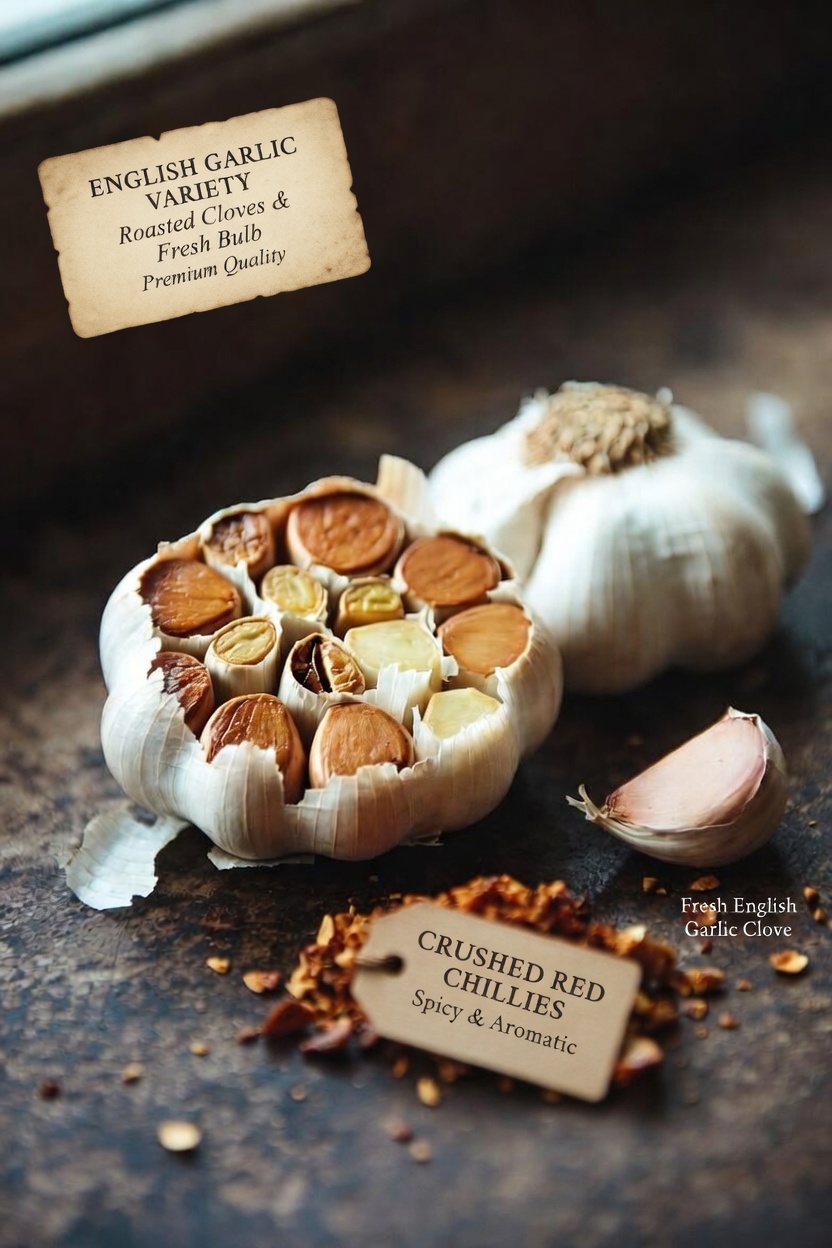
If raw garlic tastes too intense, roast whole bulbs slowly at a low temperature. Roasted garlic becomes soft, sweet, and easy to spread on bread or stir into soups.
3. Make It a Regular Habit
Consistency matters more than large amounts. Add garlic to meals such as:
- Stir-fries
- Soups
- Marinades
- Pasta sauces
- Hummus
For many people, 1 to 2 cloves on most days is a practical amount.
4. Consider Aged Garlic Extract
If the smell of fresh garlic is a problem, aged garlic extract may be an alternative. Look for standardized products similar to those used in research, and speak with a healthcare provider before starting supplements.
5. Pair It With Other Supportive Foods
Garlic works well with other commonly used wellness foods, including:
- Ginger
- Lemon
- Honey
These combinations can be added to warm broths, teas, or savory dishes for both flavor and comfort.
If you are not used to raw garlic, begin with a small amount. Too much at once may cause stomach discomfort or digestive irritation.
What Research Has Not Proven
Although garlic is promising, it is important to stay realistic. Garlic is not a substitute for medical care. Claims that it can directly cure infections or destroy a certain number of bacteria usually come from laboratory experiments using isolated compounds, not from clear real-world human outcomes.
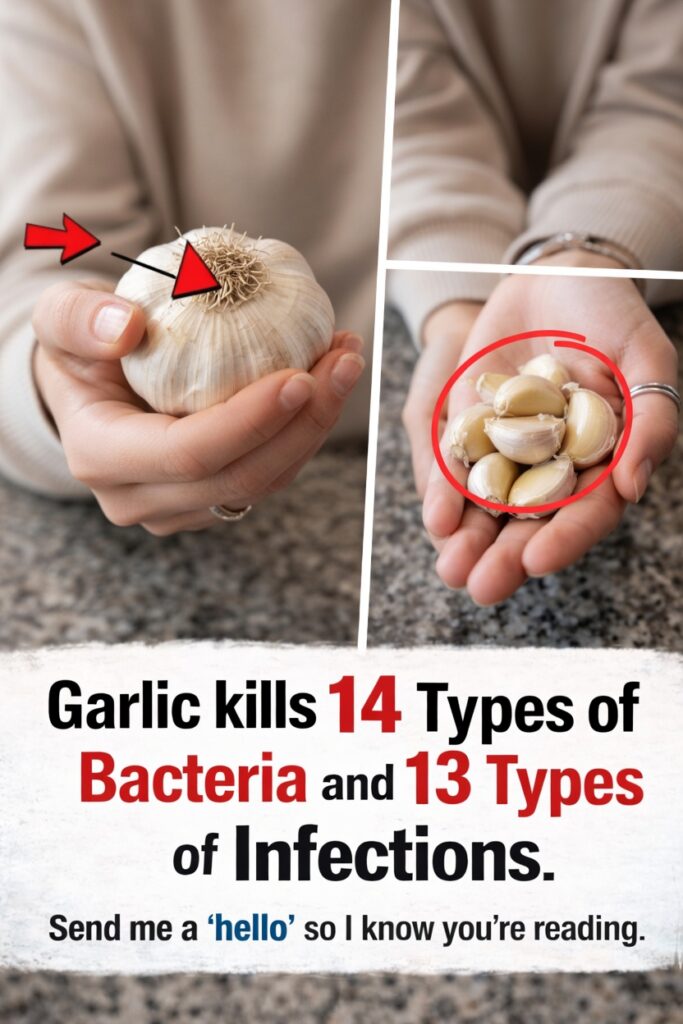
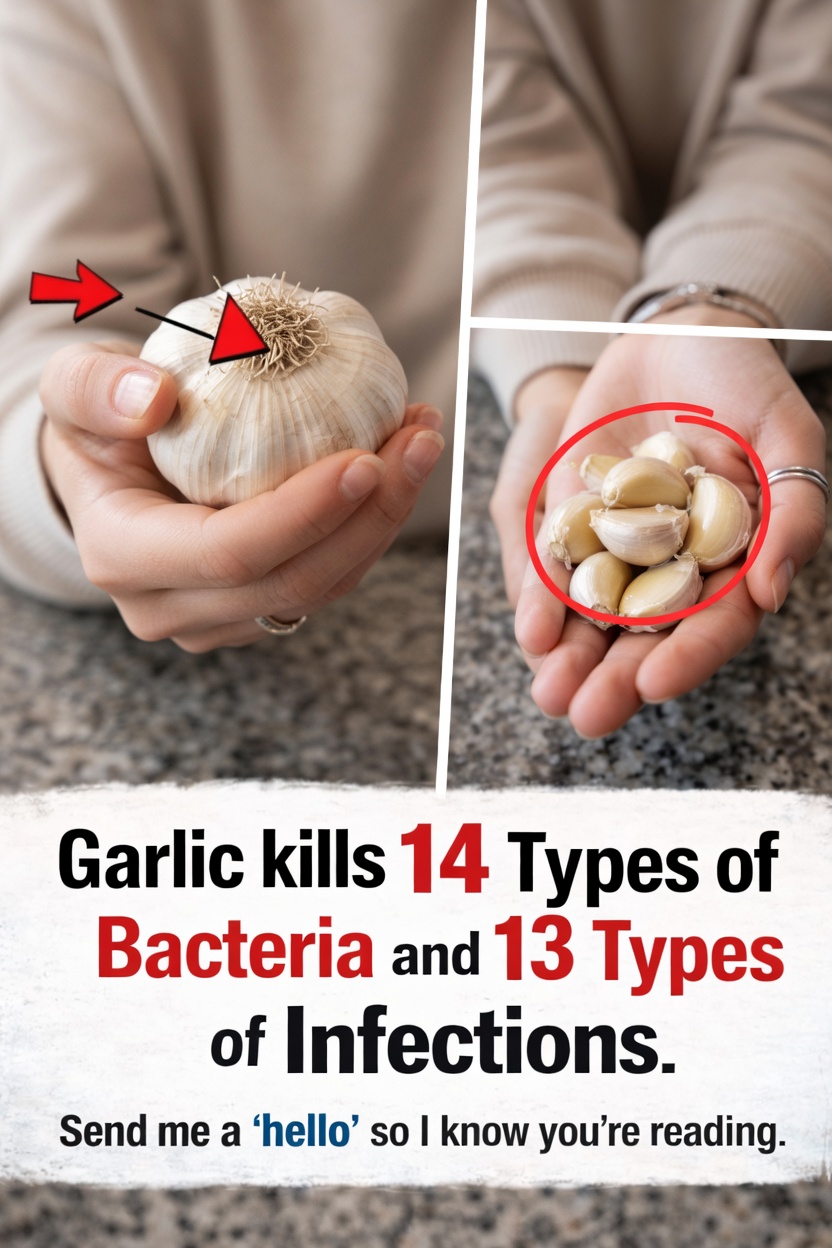
No single food can prevent or cure disease on its own. Statements involving dramatic numbers, such as garlic “killing 14 bacteria” or stopping “13 infections,” are often overstated and not strongly supported by broad human evidence.
Final Thoughts: A Small Habit With Meaningful Potential
Garlic remains one of the simplest and most accessible foods for supporting overall wellness. From immune function to heart health and antioxidant support, it offers benefits that are both practical and supported by a growing body of research. Its long history of traditional use is now being explored in more detail through modern science.
The most surprising insight is this: how you prepare garlic and how often you eat it may matter more than most people think. Fresh crushed garlic provides the most active compounds, while cooked garlic still contributes useful nutrients and beneficial plant substances. Over time, small daily choices like this can make a real difference in how you support your body.
Frequently Asked Questions
How much garlic should I eat each day?
Many studies use an amount equal to 1 to 2 fresh cloves daily or around 600 to 1200 mg of aged garlic extract. Start with a lower amount and increase gradually depending on how well you tolerate it.
Does cooking garlic remove its benefits?
Cooking reduces allicin levels, but it does not eliminate all of garlic’s value. Cooked garlic still contains antioxidants and sulfur compounds, while raw garlic may offer stronger effects in certain areas.
Can garlic interact with medications?
Yes, especially in larger amounts. Garlic may affect blood-thinning medications or drugs related to blood pressure. If you take prescription medicine, it is best to speak with a healthcare professional before significantly increasing your intake or using garlic supplements.