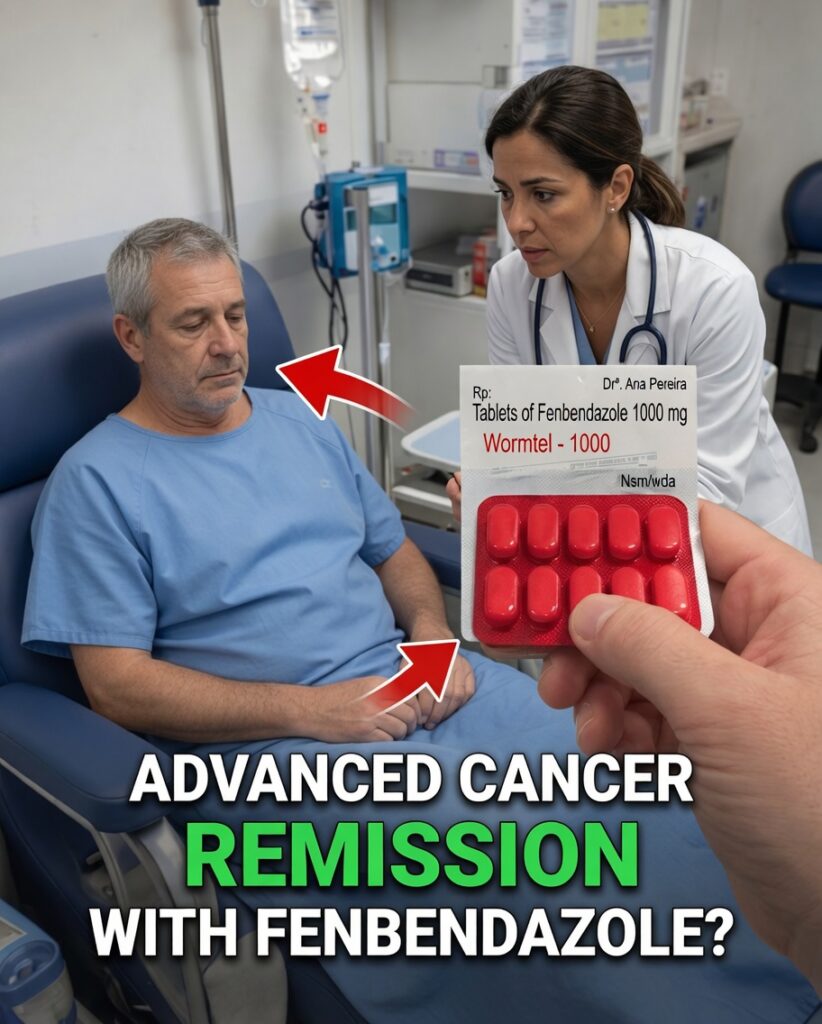
Could a Simple Antiparasitic Help in the Fight Against Cancer? What Science Is Beginning to Show
Living with advanced cancer often brings uncertainty, fear, and an ongoing search for anything that might help. When standard options feel limited, many patients and families start looking into drug repurposing—using existing medications in new ways—to see whether there could be additional support alongside conventional care.
A recent 2025 case series drew attention by describing three people with advanced cancers who used fenbendazole (a veterinary antiparasitic) together with other therapies. The reported outcomes and overall tolerability sparked curiosity—but the key question remains: is this genuinely promising, or still far too early to tell?
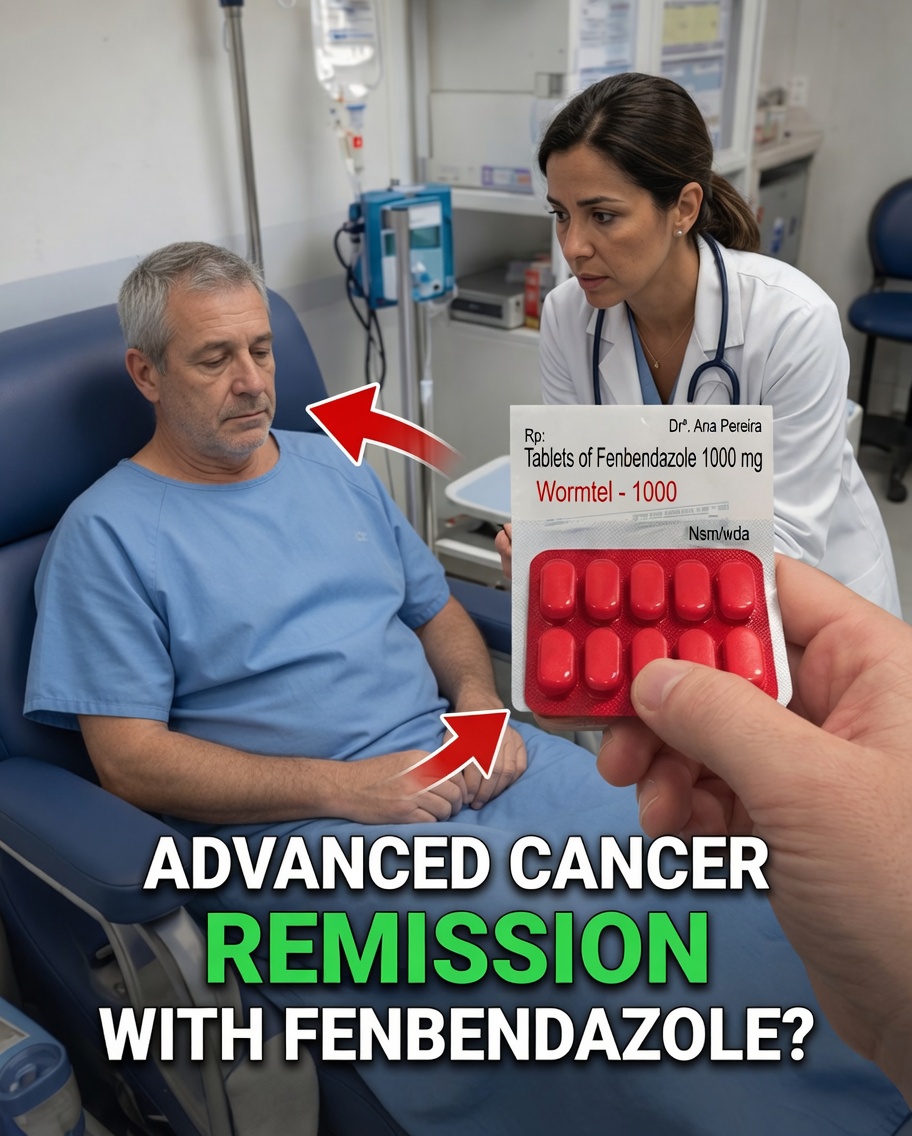
What Is Fenbendazole, and Why Is It Getting Attention?
Fenbendazole is widely used in veterinary medicine to treat parasitic worms. It belongs to the benzimidazole class and works by disrupting how parasites absorb and use nutrients.
In recent years, researchers have started exploring whether fenbendazole might also influence biological processes relevant to cancer. Laboratory and animal studies suggest several potential mechanisms, including:
- Microtubule disruption, which may affect cell division (microtubules are essential for cells to split and multiply)
- Interference with glucose metabolism, potentially impacting how cancer cells fuel themselves
- Cellular stress induction, which may contribute to cancer cell death under certain conditions
These findings are largely preclinical (lab and animal research). Human evidence remains very limited, and that gap matters.
The 2025 Case Series: Three Reported Experiences
A publication in 2025 described three individuals with advanced cancer who used fenbendazole alongside other therapies. The cases included:
- Advanced breast cancer: reported major improvement, with active tumors disappearing over multiple years
- Advanced prostate cancer: reported regression of bone lesions and low PSA levels
- Recurrent melanoma: reported no evidence of disease after combined treatment
Across these three cases, the patients reportedly tolerated the approach well, with no severe side effects described.
A critical limitation
These are individual case reports, not controlled clinical trials. They cannot prove fenbendazole caused the outcomes, because many other variables may have contributed (other treatments, disease variability, timing, supportive care, and more).
What Does the Science Actually Say So Far?
Early research has raised scientific interest because fenbendazole may:
- Target multiple cellular pathways that cancer cells rely on
- Show activity across different tumor cell types in preclinical settings
- Share some mechanistic similarities with certain drugs already used in medicine (in specific contexts)
However, major unanswered questions remain:
- No large, high-quality clinical trials demonstrating benefit in people with cancer
- No established proof of effectiveness in humans
- Potential safety concerns, including possible liver impact
In other words, the science is still in an exploratory phase—interesting, but not definitive.
What to Consider Before Thinking About This Option
If you’re considering non-standard approaches, safety and medical supervision are essential. Key principles include:
- Discuss it openly with your oncology team before taking anything
- Do not stop proven treatments without medical guidance
- Avoid self-medicating, especially with non-human formulations
- Monitor health regularly, including lab work when appropriate
- Support your body with evidence-informed lifestyle habits
Many integrative and natural health approaches focus on strengthening resilience through safe fundamentals—such as an anti-inflammatory diet, carefully selected adaptogenic herbs, and immune system support—ideally guided by qualified professionals and coordinated with oncology care.
Important Risks and Safety Concerns
Even “natural” or repurposed substances can carry real risk. With fenbendazole, concerns include:
- Possible liver strain or toxicity
- Potential interactions with other medications or cancer therapies
- Veterinary products are not formulated for humans, which raises dosing, purity, and safety issues
Safety should always come first—especially when dealing with advanced disease.
The Future: Hope With Responsibility
Drug repurposing is a promising scientific strategy and may open new paths over time. But fenbendazole’s role—if any—in cancer care needs rigorous clinical research to clarify both effectiveness and safety in humans.
Until stronger evidence exists, the most responsible approach is to stay informed, prioritize supportive health habits, and make decisions in partnership with qualified healthcare professionals.
Frequently Asked Questions
Is fenbendazole approved to treat cancer?
No. Fenbendazole is a veterinary medication and is not approved for treating cancer in humans.
Can I use it on my own?
Self-use is not recommended and may carry serious risks, including unsafe products and lack of medical monitoring.
Are there studies underway?
Human research is still limited. More robust clinical studies are needed.
Final Thoughts
These case reports can spark hope—and hope matters. But hope must be paired with science, caution, and patient safety.
Supporting the body naturally, strengthening immune resilience, and maintaining emotional balance remain important pillars of health—best pursued alongside evidence-based medical care.
Important Notice: This content is for informational purposes only and does not replace medical advice. Always consult a qualified healthcare professional before making decisions about your health.