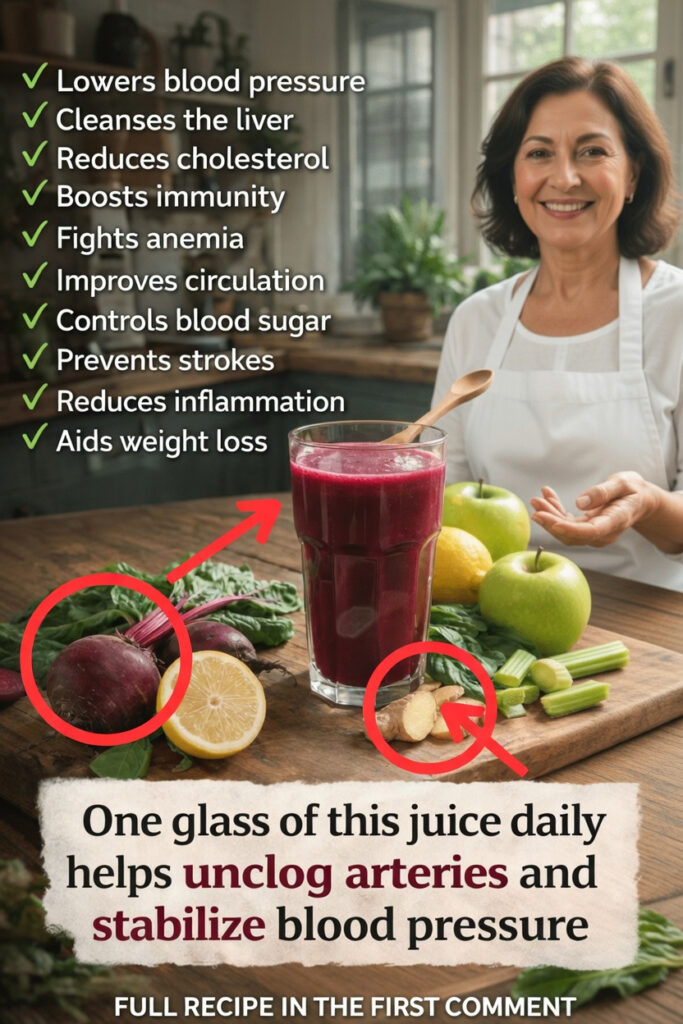
Beetroot Juice for Daily Wellness: A Simple Drink That May Support Healthy Blood Pressure
Keeping blood pressure within a healthy range can be challenging, especially during hectic periods filled with stress, irregular meals, and little time for self-care. Over time, those everyday habits can influence cardiovascular well-being, making many people look for simple ways to better support circulation and overall vitality.
One option that continues to draw attention is beetroot juice. Rich in naturally occurring nitrates, this bright and earthy drink has been widely studied for its potential role in supporting heart-friendly habits. Even more interesting, combining beets with other ingredients may improve both flavor and nutritional value—making it easier to enjoy regularly.
Why Beetroot Juice Is So Popular Among Health-Conscious Drinkers
Beetroot, also known simply as beet, is a root vegetable recognized for its intense red-purple color and distinct earthy taste. When turned into juice, it offers a concentrated source of several beneficial nutrients and plant compounds. Researchers have been especially interested in beetroot because of its dietary nitrate content and its connection to healthy blood pressure support.
A number of studies, including systematic reviews and meta-analyses, have looked at how beetroot juice affects blood pressure in different populations. Some findings suggest that regular intake of beetroot juice providing about 200 to 800 mg of nitrates may help produce modest improvements in systolic blood pressure for certain individuals. Scientists believe this is related to the body’s ability to convert nitrates into nitric oxide, a compound that helps blood vessels relax and promotes smoother circulation.
This is not a quick-fix solution or an overnight transformation. Instead, beetroot juice is best viewed as a gentle, steady addition to a balanced lifestyle. Many people also say they feel more refreshed or energized when they regularly consume nitrate-rich foods such as beets.
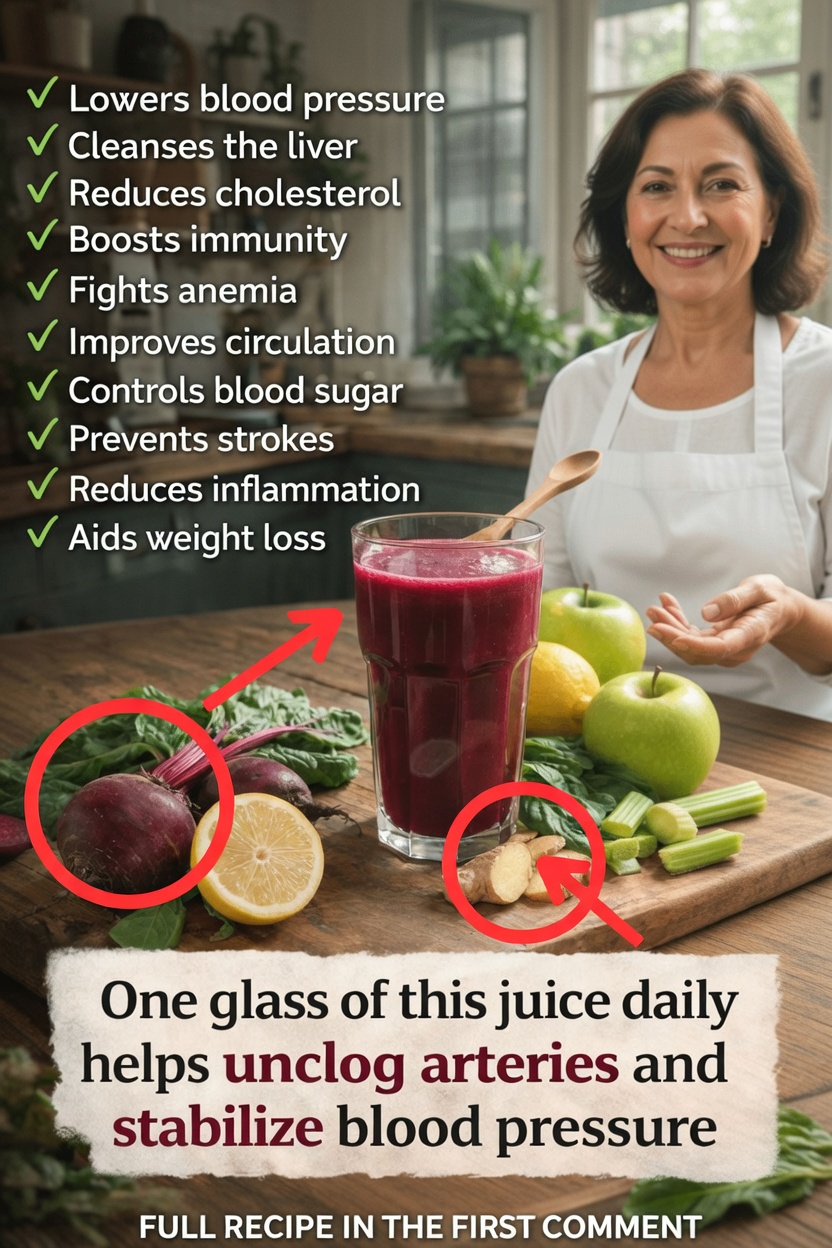
Still, beetroot by itself is only part of the picture.
Why a Mixed Juice Blend Can Be Better Than Beet Juice Alone
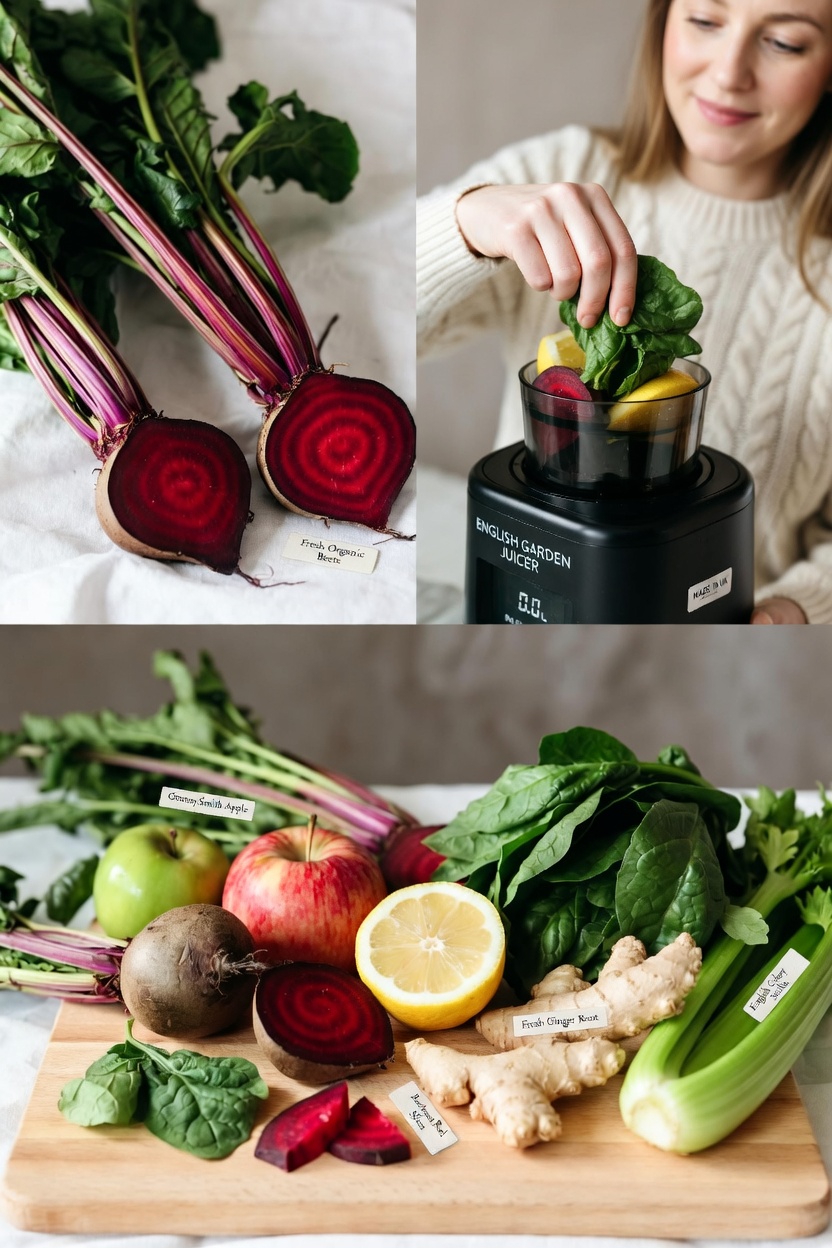
A great juice recipe usually depends on more than one ingredient. Blending beetroot with other fruits and vegetables can soften its strong flavor, broaden the nutrient profile, and make the drink much more enjoyable as a daily habit.
Popular ingredients often added to beetroot juice include:
- Apple — Brings natural sweetness that helps offset the earthy taste of beets.
- Lemon — Adds brightness, tanginess, and vitamin C.
- Ginger — Delivers a warming, spicy note and may help support comfortable digestion.
- Spinach and celery — Add extra plant nutrients and create a fresher, greener flavor.
Together, these ingredients create a juice that tastes refreshing, balanced, and far more approachable than plain beet juice on its own. For many people, that makes consistency much easier.
Key Nutrients in Beetroot Juice and How They May Help
This type of juice stands out because it combines several valuable nutrients and compounds in one glass.
Main Highlights
-
Dietary nitrates from beets
- The body can convert these into nitric oxide, which is linked to blood vessel relaxation and healthy circulation.
-
Antioxidants from beets, apples, and spinach
- These compounds help the body manage everyday oxidative stress.
-
Potassium from beets and celery
- Potassium supports normal fluid balance and healthy muscle function.
-
Vitamin C from lemon
- This nutrient contributes to immune support and may assist with nutrient absorption.
Nutrition research has repeatedly pointed to nitrate-rich foods like beetroot as promising additions to a heart-supportive diet when consumed regularly.
Plain Beet Juice vs. a Balanced Beet Juice Blend
Here is why many people prefer a mixed version over beet juice alone:
-
Plain beet juice
- Strong, earthy, and intense
- Often preferred by those who already enjoy the natural flavor of beets
-
Beet juice with apple, lemon, ginger, spinach, and celery
- Sweeter, brighter, and more balanced
- Easier to drink often without getting tired of the taste
If long-term consistency is the goal, flavor matters just as much as nutrition.
Easy Beetroot Juice Recipe You Can Make at Home
This quick recipe makes about one large glass, roughly 12 to 16 ounces, and takes only a few minutes if you have a juicer.
Ingredients
- 2 medium beets, peeled and chopped
- 1 large apple, cored and cut into quarters
- 1 lemon, peeled
- 1-inch piece of fresh ginger, peeled
- 1 handful of spinach, about 1 to 2 cups
- 2 celery stalks
Instructions
- Wash all ingredients thoroughly.
- Cut everything into pieces small enough for your juicer.
- Run the ingredients through the juicer, alternating them as you go.
- Starting with softer produce like apple or celery can help move the firmer beet pieces through more easily.
- Stir the juice well before serving.
- Pour over ice if you prefer it chilled.
- Drink it fresh for the best flavor and nutrient quality, ideally in the morning or during the afternoon for a natural boost.
No Juicer? No Problem
If you do not have a juicer, place all ingredients in a blender with a small splash of water. Blend until smooth, then strain through a fine mesh sieve or a nut milk bag.
Beginner Tip
If beet flavor feels too strong at first, use a smaller amount and increase it gradually as you get used to the taste.
How to Make This a Consistent Daily Habit
If you want to get the most from beetroot juice, consistency is key. These simple tips can help:
-
Drink it regularly
- Many nitrate-focused studies suggest benefits from ongoing intake rather than occasional use.
-
Think about timing
- Some research points to benefits when consumed 2 to 3 hours before physical activity or as part of a daily routine.
-
Store it correctly
- Fresh juice is ideal, but leftovers can be kept in an airtight container in the refrigerator for up to 24 hours.
-
Try small variations
- Replace spinach with kale or add a carrot if you want a naturally sweeter taste.
-
Pair it with balanced meals
- Drinking it alongside a nutritious meal may help support more stable energy throughout the day.
What Research Says About Drinking Beetroot Juice Regularly
Clinical reviews and trial analyses have found that beetroot juice supplementation may offer supportive effects for blood pressure management in both healthy adults and people with elevated readings. Some meta-analyses have reported average reductions in systolic blood pressure of around 3 to 5 mmHg with consistent intake, although outcomes can vary depending on dosage, duration, and individual response.
These findings come from placebo-controlled studies, which strengthens interest in natural nitrate sources such as beetroot. Still, beetroot juice should be seen as one helpful tool within a broader heart-healthy lifestyle that also includes:
- Regular physical activity
- Stress management
- A varied, nutrient-rich diet
- Good sleep habits
- Routine medical care when needed
Final Thoughts: A Small Habit With Meaningful Potential
Adding a glass of beetroot juice to your day can be a simple and enjoyable way to support cardiovascular wellness. Thanks to its naturally occurring nitrates, antioxidant content, and customizable flavor, it fits well into a practical everyday routine.
The biggest benefits often come from small habits repeated consistently over time.
Frequently Asked Questions
How much beetroot juice should I drink each day?
Many studies have examined amounts that provide roughly 200 to 500 mg of nitrates, which is often equal to about 1 to 2 medium beets or around 8 to 12 ounces of juice. It is best to begin with a smaller serving and adjust based on your taste preference and tolerance.
Can I drink beetroot juice if I already have low blood pressure?
If you have low blood pressure or any concerns related to blood pressure regulation, speak with your healthcare provider before making nitrate-rich foods a regular part of your routine.
Does cooking beets reduce their benefits?
Raw beets used in juice generally retain more nitrates than cooked beets. However, roasted or boiled beets still provide useful nutrients and can absolutely be part of a healthy diet.