Struggling With PCOS and Irregular Periods? This Natural Compound May Help Restore Hormonal Balance
Living with unpredictable menstrual cycles, sudden weight changes, and constant hormonal ups and downs can feel exhausting—and isolating. Many women spend years searching for answers, only to later discover that these symptoms may be linked to polycystic ovary syndrome (PCOS). The encouraging part: growing research is highlighting promising natural options, and one compound in particular is gaining serious attention. A major 2023 scientific review may change how you think about natural support for reclaiming control of your body.
PCOS: Why It Happens and Why Many Women Prefer Natural Support
PCOS affects millions of women worldwide and is commonly associated with:
- Irregular menstrual cycles
- Higher androgen levels (such as testosterone)
- Changes in insulin metabolism (insulin resistance)
These shifts can influence energy, skin, mood, and overall well-being.
Conventional care often includes lifestyle changes and medications. Still, many women look for gentler, more natural ways to support the body long-term—especially options with fewer side effects.
That’s where inositol comes in. Often referred to as “vitamin B8” (though it isn’t technically a vitamin), inositol plays a key role in cell signaling and insulin function. Researchers have been studying whether inositol supplements can help correct common PCOS-related imbalances with a better tolerability profile.
What the 2023 Systematic Review Found
A 2023 systematic review and meta-analysis evaluated 26 studies involving 1,691 women with PCOS. The findings were notably positive.
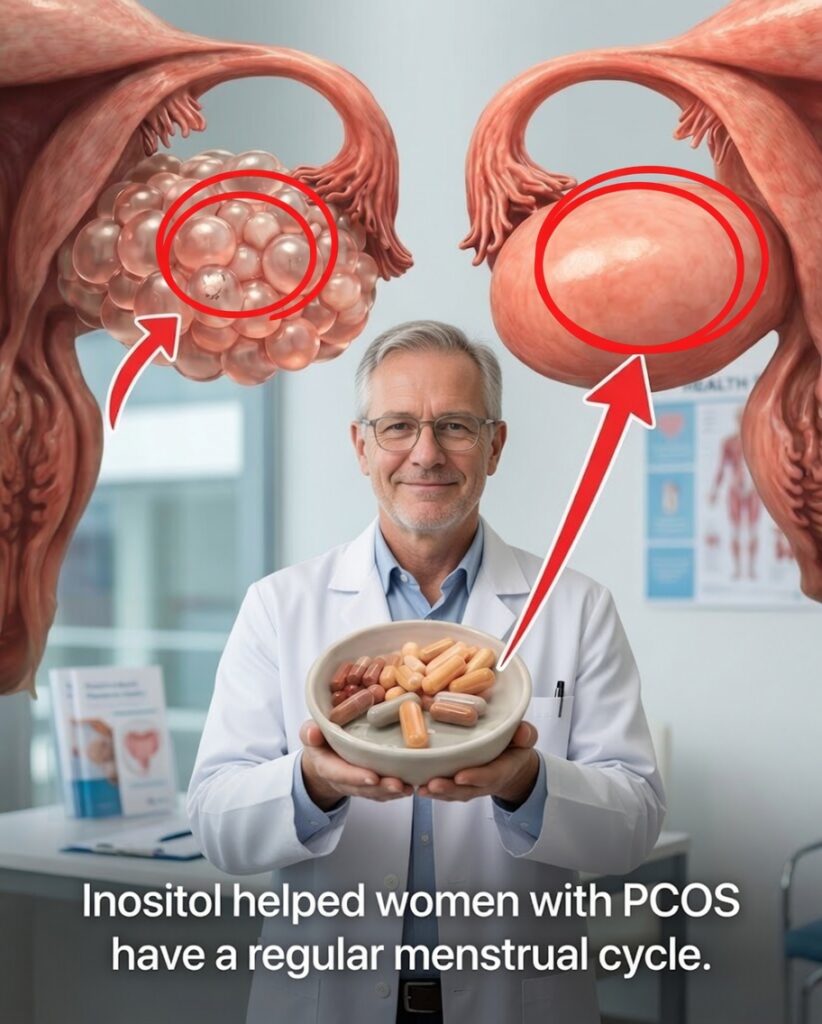
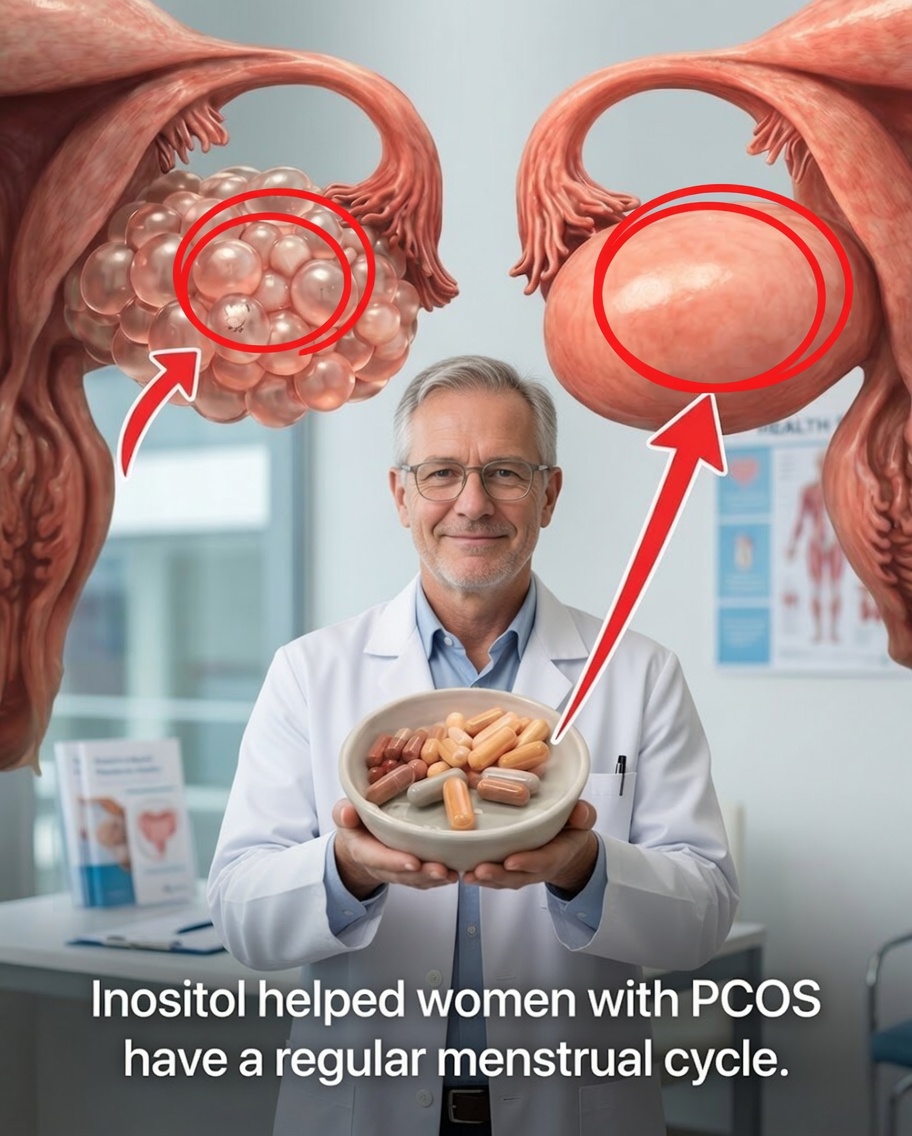
Compared with placebo, women taking inositol were 1.79 times more likely to achieve menstrual cycle regularity.
The analysis also reported several meaningful improvements, including:
- Lower total and free testosterone
- Better fasting blood glucose
- A moderate reduction in BMI (Body Mass Index)
One particularly interesting takeaway: inositol showed similar effectiveness to metformin in multiple outcomes, while participants reported fewer side effects overall.
How Inositol Works in the Body
A central issue in PCOS is insulin resistance. Inositol is believed to help by improving insulin sensitivity. When the body responds more effectively to insulin, it can positively influence ovarian hormone production—supporting more regular ovulation and more predictable cycles.
The two most researched forms are:
- Myo-inositol
- D-chiro-inositol
Many PCOS supplements combine both in specific ratios. While inositol is naturally found in foods like fruits, beans, and whole grains, the amounts used in clinical research are typically much higher than what diet alone provides.
How to Use Inositol Safely (Practical Guidelines)
If you’re considering inositol as a natural PCOS supplement, keep these evidence-informed tips in mind:
- Talk to a healthcare professional first, especially if you take medications or other supplements.
- Choose reputable products that clearly list ingredients and dosages. Many studies use roughly 2–4 g of myo-inositol per day.
- Pair supplementation with healthy habits, such as balanced nutrition, regular exercise, quality sleep, and stress management.
- Track changes over time, noting cycle patterns and symptoms for 3–6 months.
- Stay consistent—benefits are often gradual rather than immediate.
Other Promising PCOS Strategies Worth Considering
Inositol isn’t the only evidence-backed approach. Research also supports improvements with:
- Low glycemic index diets
- Regular physical activity
- Nutrients such as omega-3 fatty acids and vitamin D
For many women, the best results come from an integrated PCOS plan—combining nutrition, movement, targeted supplementation, and medical guidance when needed.
Frequently Asked Questions
Is inositol a vitamin?
Not exactly. It’s a naturally occurring compound often grouped with B vitamins because of its similar properties.
How long does it take to see results?
Most women who respond notice changes after 3 to 6 months of consistent use.
Can every woman with PCOS take inositol?
Not necessarily. Suitability depends on your medical history, current treatments, and personal health factors—professional guidance matters.
Which form is best: myo-inositol or D-chiro-inositol?
Myo-inositol is the most widely studied, and it’s often used alone or combined with D-chiro-inositol depending on the protocol.
Final Thoughts
The 2023 review strengthens the case for inositol as a valuable natural option for PCOS, especially for supporting menstrual cycle regularity and metabolic health.
Rather than chasing quick fixes, progress often comes from consistency and whole-body care. Small daily choices—repeated over time—can lead to meaningful long-term change.
Disclaimer: This article is for informational purposes only and is not a substitute for medical advice. Always consult a qualified healthcare professional before starting any supplement.