Dark Spots in Your Avocado: Is It Still Safe to Eat?
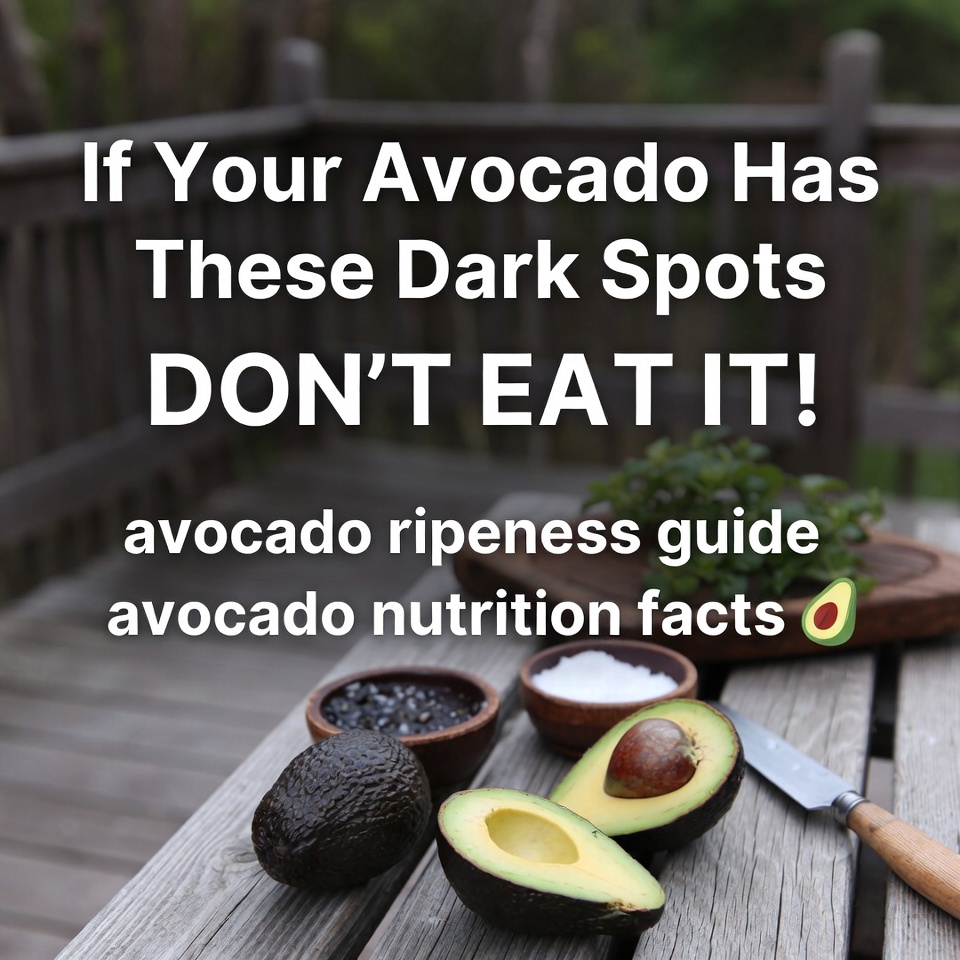
You slice into a perfectly ripe-looking avocado, only to discover dark patches inside. The usual reaction? Straight to the trash. But that might be a mistake. Dark spots don’t always mean your avocado is rotten—often, it’s still safe and delicious to eat.
Let’s break down what those dark areas really mean and how to tell if your avocado is still good.
Why Do Avocados Get Dark Spots?
Brown or black spots inside an avocado can appear for several reasons, and many of them are harmless.
1. Bruising from Pressure
If the avocado has been squeezed too hard, dropped, or bumped around during transport, it can develop pressure bruises.
- These spots may look dark and feel mushy.
- The flavor and safety are usually not affected.
- You can often just cut away the bruised sections.
2. Natural Oxidation
Once the avocado flesh is exposed to air, it starts to oxidize.
- This causes the surface to turn brown, much like an apple or banana.
- Oxidation changes the color, not the safety.
- A quick scrape of the top layer usually reveals fresh green flesh underneath.
3. Cold or Chill Damage
Avocados that have been stored too long or too cold in the refrigerator may develop darker areas inside.
- The texture might be slightly altered.
- In many cases, these spots are still safe to eat.
- If there’s no off smell or slimy texture, you can simply remove the worst parts and use the rest.
Eat It or Toss It? How to Tell if an Avocado Has Gone Bad
Use your senses to decide whether your avocado is still good.
When It’s Usually Safe to Eat
It’s generally fine to eat your avocado if:
- There are only a few dark streaks or small spots.
- The smell is neutral or mildly nutty (not sour or rancid).
- The flesh is mostly firm and creamy, not completely mushy or slimy.
In these cases, just cut out the darker areas and enjoy the remaining flesh in your recipes.
When You Should Throw It Away
It’s best to discard the avocado if you notice:
- A sour, rancid, or otherwise unpleasant odor.
- Flesh that is extremely mushy, watery, or stringy throughout.
- Visible mold, either on the skin or inside the flesh.
- An overall gray or brown color with no fresh green areas left.
If you’re ever in doubt, it’s safer to toss it than risk eating spoiled food.
Smart Ways to Use Avocados with Dark Spots
If your avocado has a few imperfections but is still safe to eat, you don’t have to waste it. Trim away the bad parts and try using the rest in creative ways.
1. Blend into Smoothies
Use the good portions of your avocado in:
- Green smoothies with spinach, banana, and yogurt.
- Berry smoothies for extra creaminess and healthy fats.
Minor discoloration won’t matter once it’s blended.
2. Nourishing DIY Face Mask
Turn slightly spotty avocado into a skincare treat:
- Mash the flesh and mix with a bit of honey or yogurt.
- Apply as a hydrating face mask for soft, moisturized skin.
Just make sure there’s no mold or off smell before using it on your skin.
3. Avocado Brownies or Baked Goods
Avocado can be a great butter substitute in baking:
- Add mashed avocado to brownie batter for a fudgy texture.
- Use it in cakes or muffins for extra moisture and healthy fats.
Once baked, you won’t notice small color imperfections.
4. Natural Hair Conditioner
Give your hair some love:
- Mash avocado with a bit of olive oil or coconut oil.
- Apply from mid-length to ends as a deep-conditioning mask.
- Rinse thoroughly after letting it sit for 15–20 minutes.
Again, only use avocado that is safe—no sour odor or mold.
Key Takeaway
Dark spots in an avocado don’t automatically mean it has gone bad.
- Check the smell, texture, and overall appearance.
- Cut away minor dark or bruised areas and use the rest.
- Get creative—spotty avocados are perfect for smoothies, masks, baking, and hair treatments.
By understanding what those dark spots really mean, you can reduce food waste and still enjoy the creamy, nutritious goodness avocados have to offer.