Why You Drool in Your Sleep: Causes, Brain Recovery, and Simple Ways to Reduce It
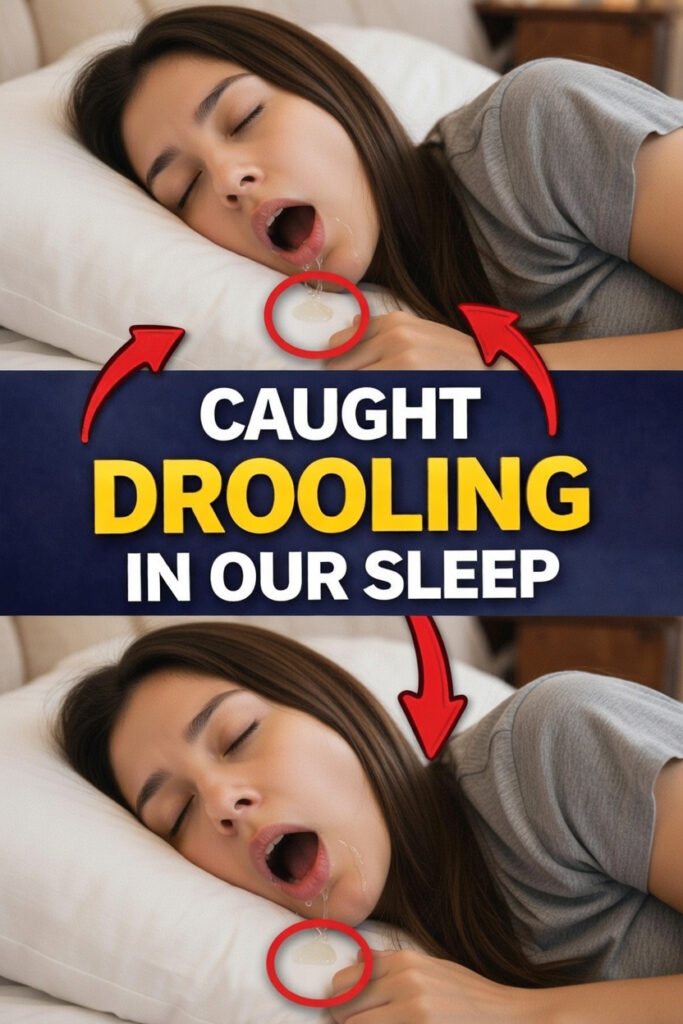
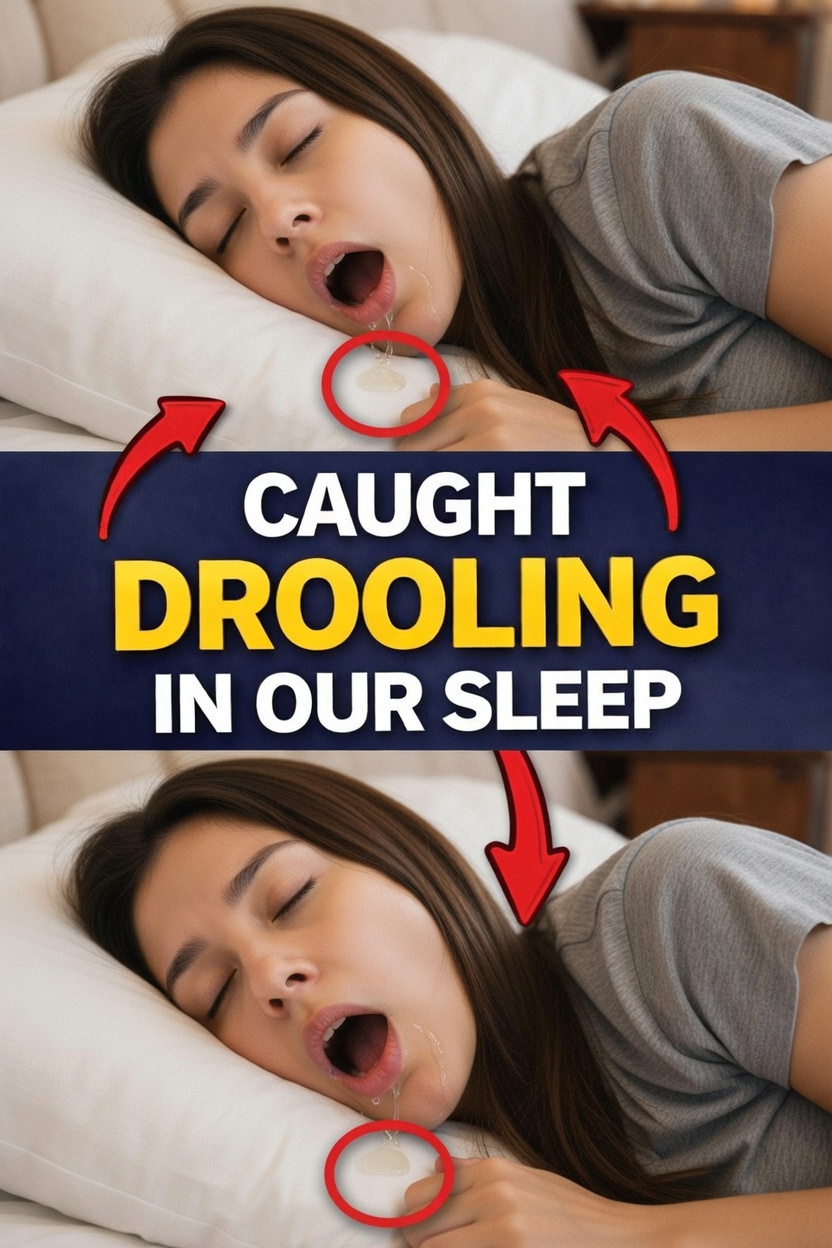
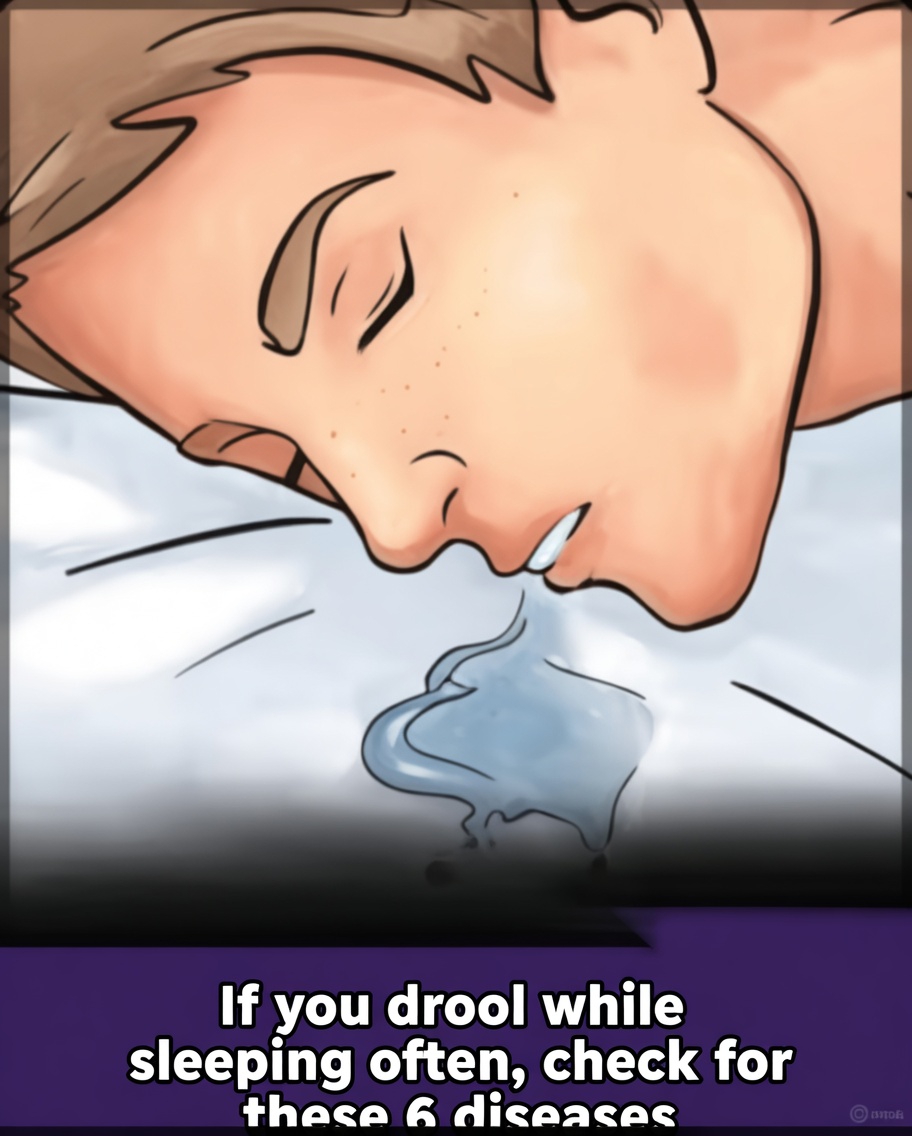
Waking up with a wet pillow can feel awkward and may leave you wondering what happened while you were asleep. It can also raise concerns about whether you are sleeping well or if something unusual is going on with your body. In many cases, though, nighttime drooling is common and harmless. It often happens because the body enters a deeply relaxed state during sleep, especially when the brain is moving through restorative stages.
What makes this even more interesting is that drooling during sleep may sometimes reflect how fully your body is relaxing overnight. To understand that, it helps to look at the science behind saliva, muscle relaxation, and sleep quality.
Why Do People Drool While Sleeping?
Even while you sleep, your body continues producing saliva to keep the mouth and throat moist. Although saliva production usually decreases at night compared with daytime levels, it does not stop completely.
At the same time, the muscles of the face, jaw, and throat loosen as you fall asleep. You also swallow less often during the night. When saliva is not cleared as frequently, it can collect in the mouth and leak out, particularly if your lips part slightly while sleeping.
For many people, this is simply a normal result of how the body functions during sleep.
The Link Between Drooling and Deep Sleep
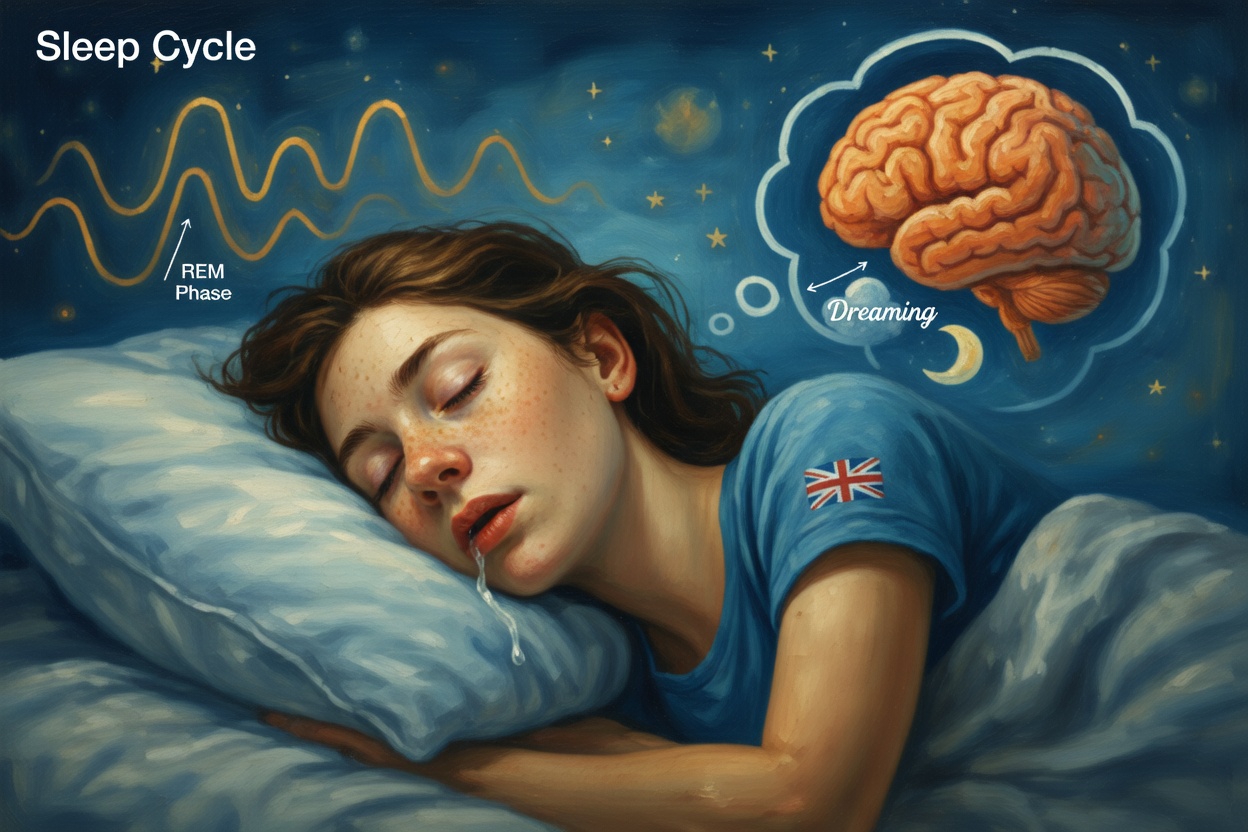
One surprising point is that occasional drooling may be associated with deeper stages of sleep. During deep non-REM sleep, often called slow-wave sleep, the body reaches a state of significant relaxation. This includes the muscles that help keep the jaw closed and manage swallowing.
When this level of relaxation occurs, the brain can focus on important recovery processes such as:
- Repairing cells
- Strengthening memory
- Clearing metabolic waste
- Supporting next-day energy and mental performance
Some sleep experts view this full-body relaxation as a positive sign that the body is unwinding properly. If your facial muscles relax enough for saliva to escape, it may mean you have entered a restorative stage of sleep.
Still, drooling is not always a perfect marker of healthy sleep. The surrounding symptoms and overall sleep quality matter.
Common Reasons Nighttime Drooling Becomes More Noticeable
Several everyday factors can make drooling during sleep more frequent or more obvious. Recognizing these patterns can help you understand what may be affecting your rest.
Common causes include:
- Sleeping on your side or stomach, which allows gravity to pull saliva out of the mouth more easily
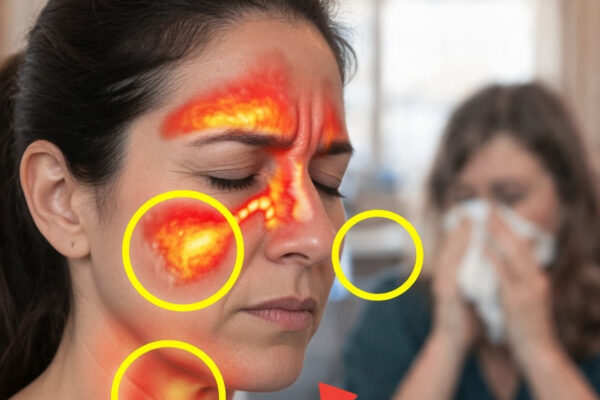
- Nasal congestion from allergies, colds, or sinus problems that leads to mouth breathing
- Acid reflux or GERD, which may trigger extra saliva production as a protective response
- Certain medications that increase saliva as a side effect
- Teeth grinding, also known as bruxism, during sleep
Sometimes more than one factor is involved, which is why nighttime drooling can vary from person to person.
When Drooling During Sleep Deserves More Attention
Most of the time, drooling while sleeping is nothing serious. However, if it suddenly becomes more frequent or appears alongside other symptoms, it may be worth looking into further.
Pay closer attention if you also experience:
- Loud snoring
- Gasping or choking during sleep
- Ongoing mouth breathing
- Poor sleep quality
- Unusual daytime fatigue
Sleep research has shown that breathing-related issues, including obstructive sleep apnea, may contribute to drooling in some people. Mouth breathing is a common link. If these symptoms sound familiar, a discussion with a healthcare professional or sleep specialist may help identify whether a sleep evaluation is needed.
The most important thing is not the drooling by itself, but what it may be saying about your overall sleep pattern.
How to Reduce Drooling at Night
The good news is that there are several easy changes you can try to reduce excessive drooling and improve comfort while sleeping. Many people notice results by adjusting their sleep position, bedtime environment, and daily habits.
Here are practical steps you can start with:
-
Try sleeping on your back
Use a supportive pillow to keep your head and neck aligned. This can help reduce saliva escaping from the mouth and may encourage nasal breathing. -
Manage nasal congestion
A humidifier, saline nasal spray, or allergy management before bed may help open your airways and reduce mouth breathing. -
Raise your head slightly
If reflux may be contributing, elevating your upper body with a wedge pillow can sometimes help. -
Stick to a healthy sleep routine
Keep a regular bedtime, stay hydrated during the day, and avoid drinking too much liquid immediately before sleep. -
Take care of your oral health
Brushing, flossing, and scheduling a dental check-up can be useful, especially if you suspect jaw alignment problems or teeth grinding.
These small adjustments can make a noticeable difference over time.
Better Sleep Habits Also Support Brain Health
Reducing drooling is helpful, but improving your overall sleep habits is even more important. High-quality sleep plays a major role in brain recovery, emotional balance, memory, and physical restoration.
To support better sleep, aim to:
- Keep your bedroom cool, dark, and quiet
- Go to bed and wake up at consistent times
- Avoid disruptive evening habits
- Use calming techniques such as deep breathing or gentle stretching before bed
Good sleep hygiene helps the brain complete its nightly maintenance more effectively. And when sleep improves, many minor issues, including drooling, may become less bothersome.
Final Thoughts
Drooling in your sleep is often a normal part of how the body relaxes at night. In some cases, it may even suggest that you are reaching a deeply restorative stage of sleep where the brain and body can recover properly.
By understanding the common causes of nighttime drooling and making a few simple adjustments, you can reduce discomfort and improve the quality of your rest. Since sleep patterns are different for everyone, gradual changes are often the best way to find what works for you.
Frequently Asked Questions
Is it normal to drool while sleeping?
Yes. Drooling during sleep is very common and is usually harmless. It often happens because the muscles relax and swallowing becomes less frequent at night.
Does drooling mean I am in deep sleep?
It can sometimes reflect deep relaxation associated with restorative sleep stages, but it is not the only sign of good sleep quality.
How can I stop drooling in my sleep?
You can try changing your sleep position, improving nasal breathing, managing allergies or reflux, and maintaining good sleep habits. If drooling continues or comes with other symptoms, speak with a healthcare provider.