What to Do If Heart Attack Symptoms Start While You’re Alone After 60
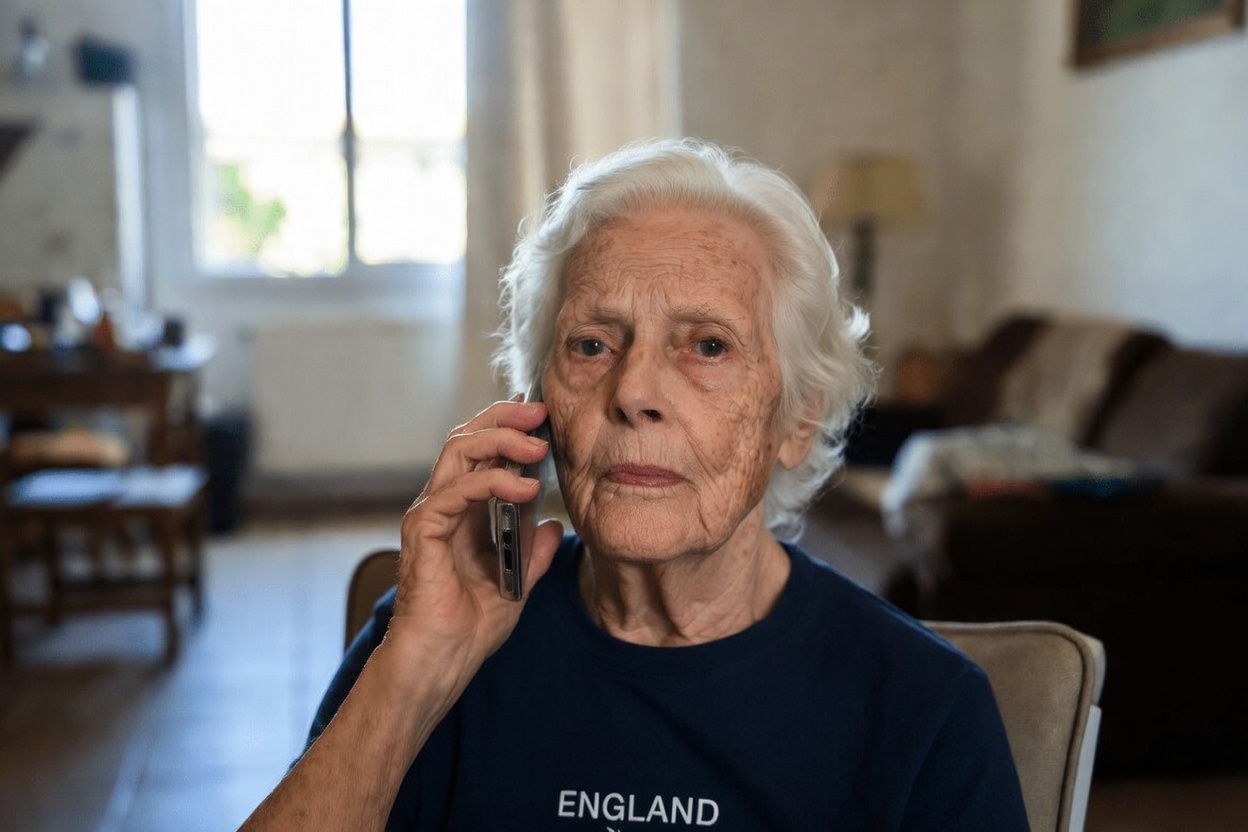
Living alone after age 60 can bring a strong sense of independence, privacy, and freedom. At the same time, it also means being ready to handle a medical emergency before family or friends can get to you. A normal day can suddenly change if you notice chest pressure, trouble breathing, or another unusual symptom. That can feel alarming, especially when fast action is so important.
The reassuring part is this: knowing exactly what to do can help you stay calmer and take the right steps until emergency professionals arrive.
1. Identify Heart Attack Warning Signs as Early as Possible
The first and most important layer of protection is recognizing the symptoms quickly. In older adults, signs of a heart attack are not always dramatic or obvious. The American Heart Association notes that the well-known symptom of severe crushing chest pain does not happen in every case. For many seniors, symptoms may be less intense or easier to mistake for something minor.
Watch for these common warning signs:
- Pressure, tightness, or discomfort in the center of the chest that lasts several minutes or comes and goes
- Pain or discomfort spreading to one or both arms, the back, neck, jaw, or stomach
- Shortness of breath, whether or not chest discomfort is present
- Nausea, cold sweating, or feeling lightheaded
- Sudden weakness or unusual fatigue
Adults over 60, and women in particular, may also experience less typical symptoms. These can include sensations similar to indigestion or a vague feeling that something is simply not right. It is easy to blame these symptoms on aging or routine discomfort, but that delay can be dangerous. If something feels unusual, it is safer to respond immediately rather than wait.
2. Call Emergency Services Right Away
If you suspect heart attack symptoms, your first move should always be to call 911 or your local emergency number immediately. Do not wait to see if the discomfort fades. Do not try to push through it. Tell the dispatcher exactly what you are experiencing and make it clear that you are home alone.
Emergency dispatchers can guide you step by step while sending trained responders to your location. Paramedics arrive with equipment and medical support that can make a critical difference.
Even if the symptoms seem to improve after a few minutes, you still need medical evaluation. Heart-related emergencies can change quickly, and early treatment often leads to better outcomes.
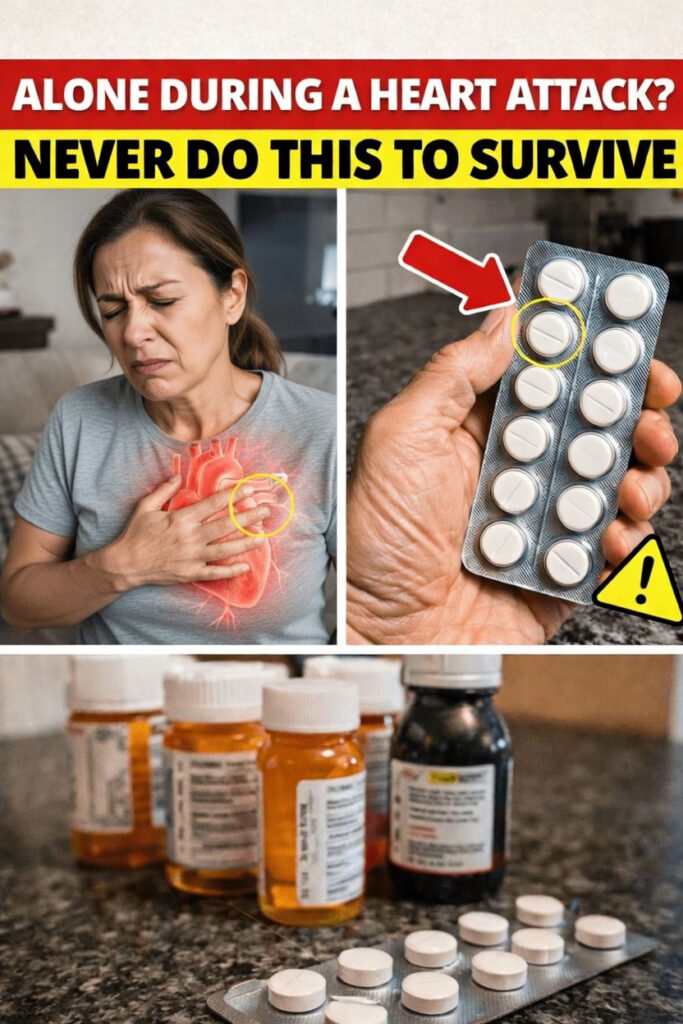
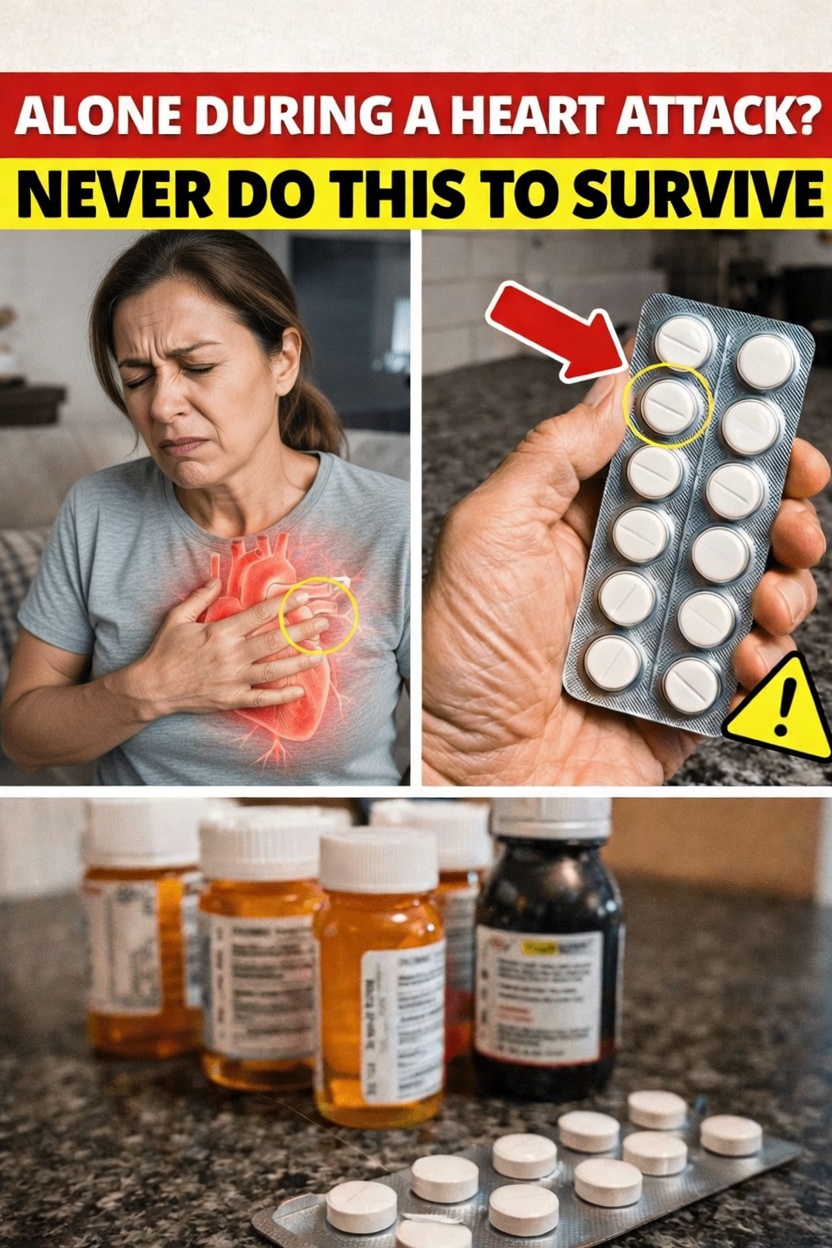
3. Take Aspirin Only If You Know It Is Safe for You
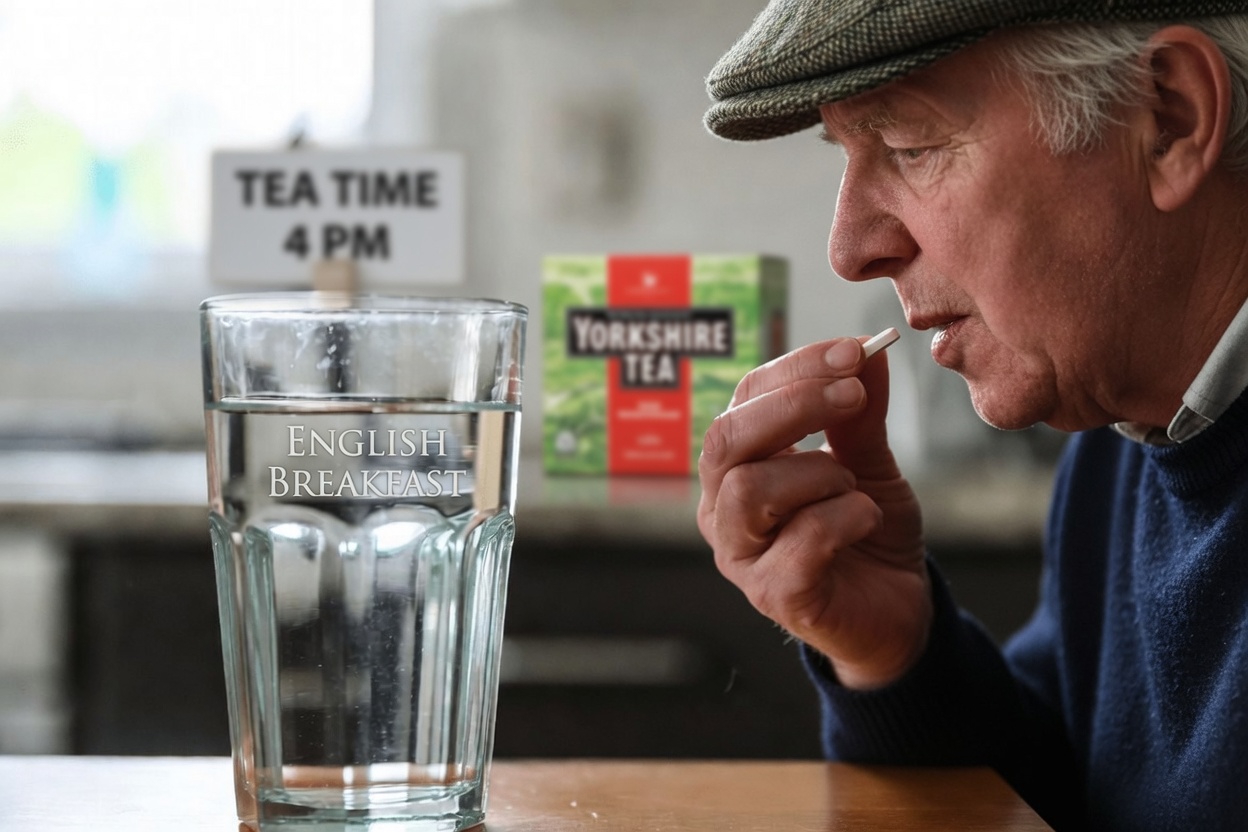
In some situations, chewing aspirin may help slow clot growth during a heart attack. Health guidelines often suggest this option only if your doctor has already said aspirin is appropriate for you and you do not have allergies, bleeding risks, or another reason to avoid it.
A commonly mentioned dose is:
- One 325 mg aspirin tablet, or
- Four low-dose 81 mg tablets
Chew the aspirin thoroughly instead of swallowing it whole, since chewing helps it work faster.
However, one rule matters most: call emergency services first. Never waste valuable time searching for aspirin before calling 911. And if your healthcare provider has told you not to take aspirin, do not take it under any circumstances.
4. Get Into a Safe, Resting Position
After help is on the way, stop whatever you are doing and rest immediately. Sit in a supportive chair or recline in a semi-upright position if that feels more comfortable. Try not to walk around, clean up, or gather items unless absolutely necessary. Physical effort can place extra strain on your heart.
The goal is to stay as still and relaxed as possible. Some people feel more comfortable leaning against a wall with their knees bent slightly, sometimes described as the “lazy W” position. Choose the posture that makes breathing easier and reduces discomfort.
Staying calm can also help you conserve energy while you wait for responders.
5. Make It Easier for Paramedics to Enter Your Home
One practical step that many people forget can save valuable time: prepare your home for emergency responders.
If you can do it without overexerting yourself:
- Unlock your front door
- Turn on inside lights
- Place your ID, insurance card, and medication list in one visible location
If you have pets, try to place them in another room and close the door so they stay safe and do not interfere with emergency care.
These small preparations can help paramedics reach you faster and begin treatment without delay. When every minute matters, even simple actions can have a meaningful impact.
6. Use Slow Breathing to Reduce Panic
Fear can make symptoms feel even worse by increasing stress on the body. One useful way to stay grounded is controlled breathing.
Try this pattern:
- Breathe in gently through your nose for a count of four
- Hold for four
- Exhale slowly through your mouth for a count of six
- Repeat
This simple breathing rhythm may help lower tension and keep you focused while waiting for help. Many people also feel steadier when they combine breathing with a calming phrase such as, “I did the right thing. Help is coming.”
You do not need to solve everything in that moment. You only need to stay as calm and safe as possible until emergency services arrive.
7. Create a Personal Emergency Plan Before You Need It
The best emergency response begins long before symptoms ever appear. Every older adult living alone should have a basic emergency plan written down and easy to access.
Your plan should include:
- Emergency contact names and phone numbers
- A current list of medications
- Major medical conditions
- Allergies
- Your doctor’s contact information
Keep one copy near your phone and consider sharing another with a trusted relative, friend, or neighbor. Many seniors also choose to wear a medical alert device, which allows them to call for help with one button if they cannot reach a phone.
Studies suggest that advance planning reduces anxiety and can speed up emergency response when something serious happens. What seems like a small preparation today can become a major safeguard later.
Conclusion
Experiencing possible heart attack symptoms while alone after 60 can be frightening, but having a simple plan can help you respond with confidence. Recognize the warning signs, call emergency services immediately, use aspirin only if your doctor has approved it, rest in a safe position, prepare your home for responders, control your breathing, and keep an updated emergency plan nearby.
The most important thing is to act fast. Quick decisions can give medical professionals the best chance to help you as soon as possible. Regular check-ins with your doctor and good daily health habits also play a major role in protecting your heart over time.
Frequently Asked Questions
What if my symptoms seem mild but I am over 60?
Even mild symptoms, such as unusual tiredness, vague chest discomfort, or feeling unwell, should be taken seriously. Older adults do not always have classic heart attack symptoms. It is safer to call emergency services and let medical professionals assess the situation.
Should I drive myself to the hospital if I am alone?
No, that is not the safest option. Calling an ambulance is better because paramedics can begin treatment on the way to the hospital. If symptoms worsen while you are driving, you could put yourself and others at risk.
How can I reduce my risk of a heart emergency in the future?
Work with your doctor to manage blood pressure, cholesterol, diabetes, and any existing health conditions. Follow medical advice about exercise, nutrition, medication, and avoiding smoking. These long-term habits can significantly support heart health and lower your risk over time.