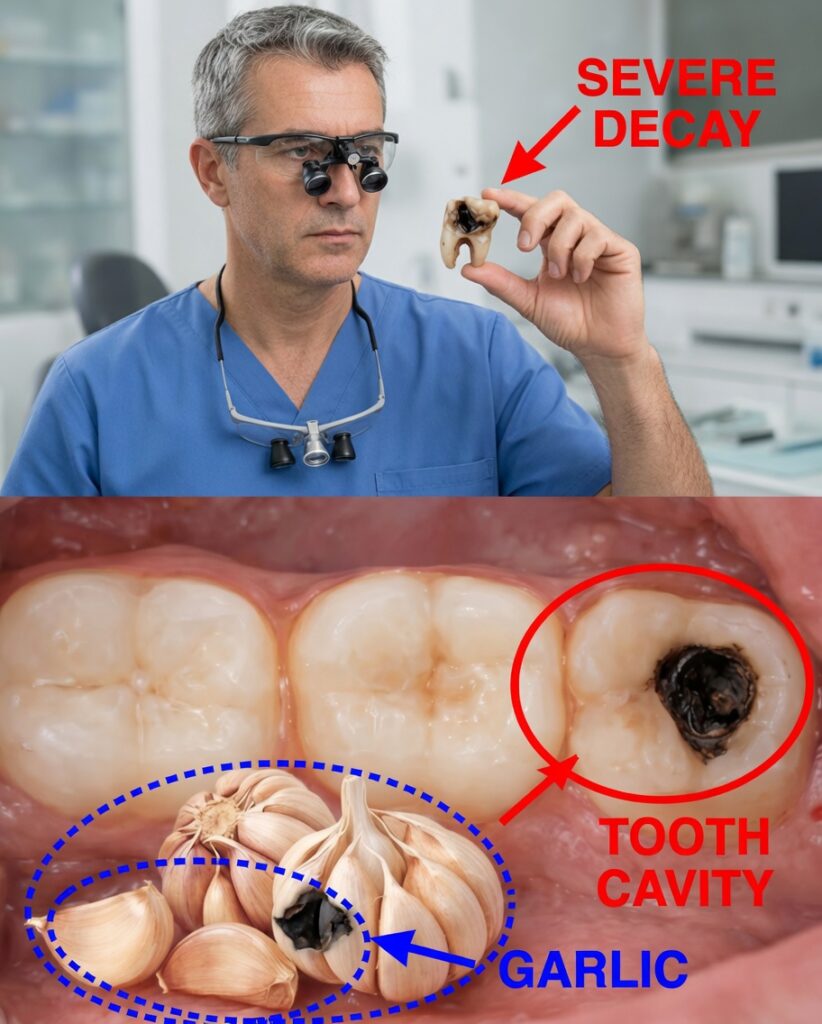
Tooth Sensitive to Cold or Sweet? This Simple Habit Can Help Strengthen Enamel and Slow Early Cavities at Home
Have you ever felt a sharp twinge when sipping an ice-cold drink, or noticed a small dark spot forming on a tooth? Those early changes can trigger instant worry—your mind jumps to expensive treatments and uncomfortable appointments. Ignoring it feels risky, yet the thought of seeing a dentist can also be stressful.
The encouraging news is that a few straightforward daily habits may help support enamel strength and slow the progression of early tooth decay. By the end of this article, you’ll have an easy routine many people overlook—yet it can make a meaningful difference for long-term dental health.
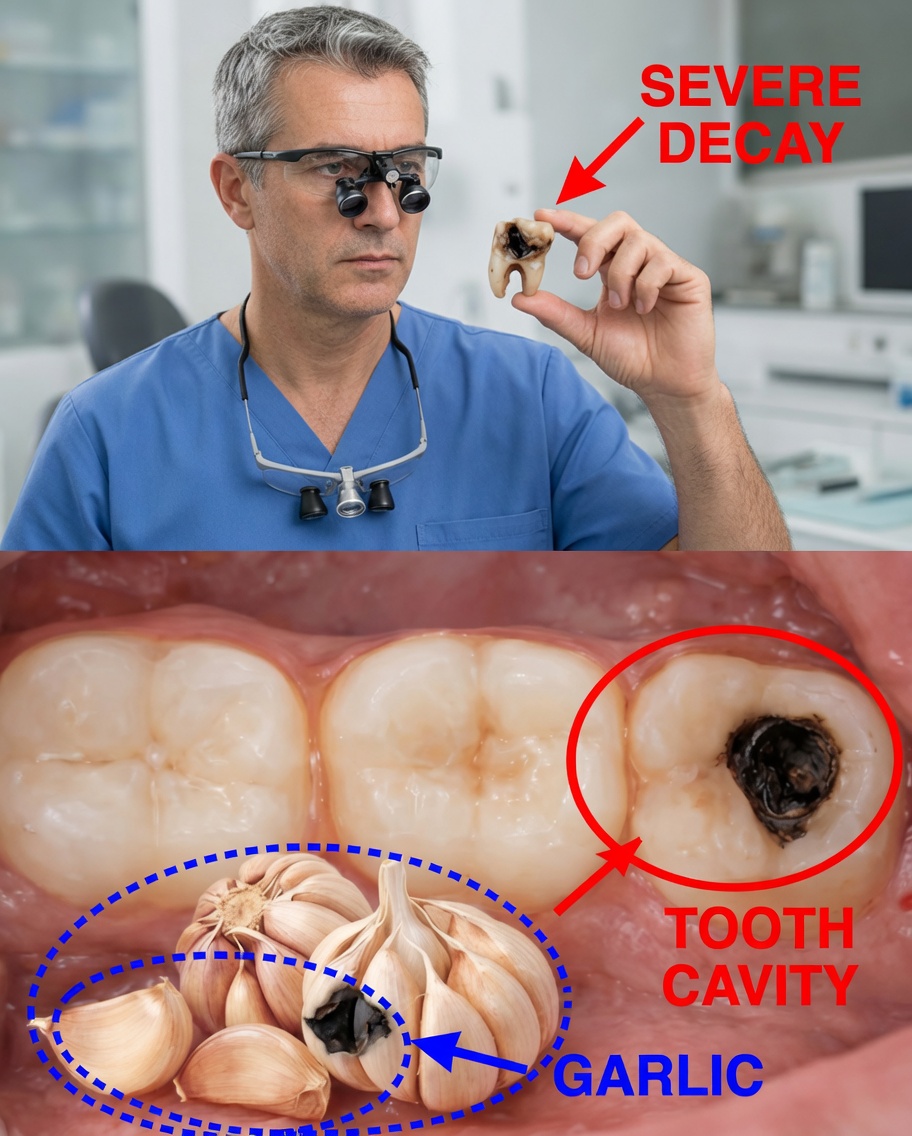
What a Cavity Really Is (and How It Starts)
Before discussing natural strategies, it helps to understand what’s happening inside the tooth.
A cavity begins when oral bacteria feed on sugars and produce acids. These acids gradually weaken the enamel—the tooth’s hard, protective outer layer. Over time, this can create small areas of damage that may develop into decay.
One key fact matters here:
Enamel does not grow back once it’s severely damaged. However, in the earliest stages, enamel may benefit from a process called remineralization, where minerals such as calcium and phosphate re-deposit into weakened areas.
This doesn’t mean a cavity “disappears” completely, but it can help strengthen vulnerable enamel and potentially slow the problem from worsening.
Early Warning Signs of a Possible Developing Cavity
Catching the first signs makes it easier to respond sooner.
You may notice:
- Mild sensitivity to cold drinks or sweet foods
- A chalky, opaque white spot on the tooth
- A darkened groove on a molar
- Food getting stuck more often in one specific area
If you have strong pain, swelling, or visible holes, you should see a dentist promptly. Natural habits can support oral health, but they work best as prevention and in very early stages.
Why Remineralization Matters
Inside your mouth, enamel goes through an ongoing cycle of mineral loss and mineral repair.
When you eat sugary or acidic foods, the mouth’s pH drops, which encourages demineralization. When saliva restores a healthier pH, minerals may move back into the enamel.
Saliva is central to this process.
It contains calcium, phosphate, and protective proteins that help defend teeth. Supporting healthy saliva flow is one of the most underestimated, natural ways to help keep teeth strong.
Daily Habits That Help Strengthen Enamel
1. Brush With the Right Technique (Not Just Frequency)
Brushing twice a day is important—but how you brush matters just as much.
- Choose a soft-bristled toothbrush
- Use gentle, small circular motions
- Avoid aggressive scrubbing, which can wear enamel and irritate gums
- Use a fluoride toothpaste, as fluoride supports enamel strength and remineralization
Important tip: Wait about 30 minutes after acidic foods or drinks (like citrus or soda) before brushing.
2. Floss Every Day (Where Many Cavities Begin)
A large number of cavities develop between teeth, where toothbrush bristles can’t reach effectively.
Flossing removes trapped food particles and plaque, helping reduce acid production by bacteria.
If traditional floss is difficult, consider:
- Interdental brushes
- Water flossers (oral irrigators)
3. Cut Down Sugar Frequency (Not Only Sugar Amount)
It’s not just how much sugar you eat—it’s how often.
Every time you consume something sweet, bacteria can produce acids that attack enamel again. Reducing repeated exposure can significantly help.
Simple swaps include:
- Replace soda with water or unsweetened tea
- Choose fresh fruit instead of sticky candy
- Avoid grazing on sugary snacks throughout the day
4. Increase Saliva Flow to Protect Teeth Naturally
Dry mouth raises cavity risk because saliva helps neutralize acids and supports enamel repair.
To encourage healthy saliva production:
- Drink water consistently during the day
- Chew sugar-free gum after meals
- Limit excess alcohol and avoid tobacco
Small changes here can have a big impact.
5. Eat Mineral-Rich Foods That Support Teeth
Your teeth rely on minerals from your diet to stay resilient.
Foods that may support dental strength include:
- Yogurt and cheese
- Dark leafy greens
- Nuts and seeds
- Fish with edible bones
Vitamin D also supports calcium absorption, so moderate sunlight exposure and vitamin D–rich foods can contribute to overall tooth health.
Popular “Natural” Options People Often Mention (What to Know)
Oil Pulling
Oil pulling involves swishing a plant-based oil in the mouth for several minutes. Some studies suggest it may reduce certain bacteria levels.
However, there’s no strong evidence that oil pulling can cure cavities. It may be used as an add-on habit, but it should not replace brushing and flossing.
Baking Soda
Baking soda can help neutralize acids and is included in some toothpastes.
But frequent use—or scrubbing too hard—may wear enamel over time. If used, it should be occasional and gentle.
Herbal Mouth Rinses
Some herbal rinses may offer antibacterial properties, but they should be considered supportive, not a substitute for consistent oral hygiene.
A Simple Routine You Can Start Today
Morning
- Brush gently with fluoride toothpaste
- Rinse with water
- Eat a balanced, low-sugar breakfast
During the day
- Drink water after meals
- Chew sugar-free gum to stimulate saliva
Night
- Floss carefully
- Brush again
- Avoid sugary snacks before bed
It’s basic—but consistency is what many people miss, and consistency is what creates results.
When to See a Dental Professional
Even with strong natural habits, regular dental visits still matter.
Dentists can spot enamel changes early—often before pain starts—and recommend preventive steps tailored to you. Getting guidance early is one of the smartest ways to protect your teeth.
Conclusion
Strengthening enamel and managing early cavities naturally isn’t about miracle cures—it’s about repeatable daily habits. Proper brushing technique, daily flossing, balanced nutrition, supporting saliva, and reducing frequent sugar intake can help create a healthier mouth environment.
These steps won’t rebuild a severely damaged tooth, but they may help slow cavity progression and protect enamel over time. The difference comes down to the small choices you make every day.
Frequently Asked Questions
Can a cavity go away on its own?
In very early stages, enamel may remineralize with excellent oral care. Deeper cavities usually require professional treatment.
Is fluoride safe for strengthening teeth?
When used as recommended in toothpaste and in appropriately fluoridated water, fluoride is widely considered safe and effective for strengthening enamel.
Do natural remedies replace the dentist?
Natural habits help with prevention and maintenance, but they don’t replace professional dental evaluations and treatment.
Disclaimer: This article is for informational purposes only and does not replace professional dental advice. Always consult a qualified dentist for an evaluation of your oral health.