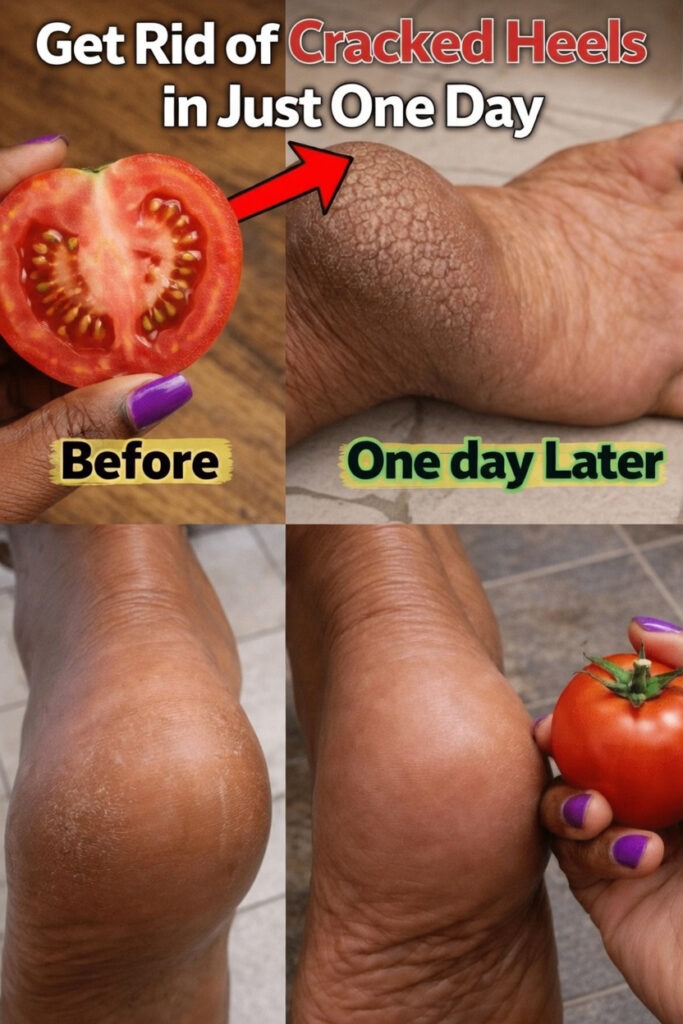
Tomato for Cracked Heels: A Simple Natural Addition to Foot Care
Cracked heels can make walking unpleasant, turning everyday movement into something irritating and even painful. When the skin on the heels becomes dry and thick, it may split into small or deep fissures that feel uncomfortable and look rough. This problem often gets worse in dry weather, after long periods of standing, or when you frequently walk barefoot.
Because of this, many people look for mild, home-based remedies that can help soften their feet without relying on harsh products. Natural ingredients from the kitchen are especially popular for simple self-care routines.
Could tomatoes be one of those helpful options? This common fruit contains natural acids, vitamin C, and antioxidants such as lycopene, which is why it often appears in home remedy discussions. While tomatoes are not a miracle cure, they may support gentle exfoliation and hydration when used carefully as part of a broader cracked heel routine.
In this article, you’ll learn what causes cracked heels, why tomatoes are sometimes used in natural foot care, and how to try a safe tomato-based treatment at home. You’ll also find extra tips to help keep your heels smoother over time.
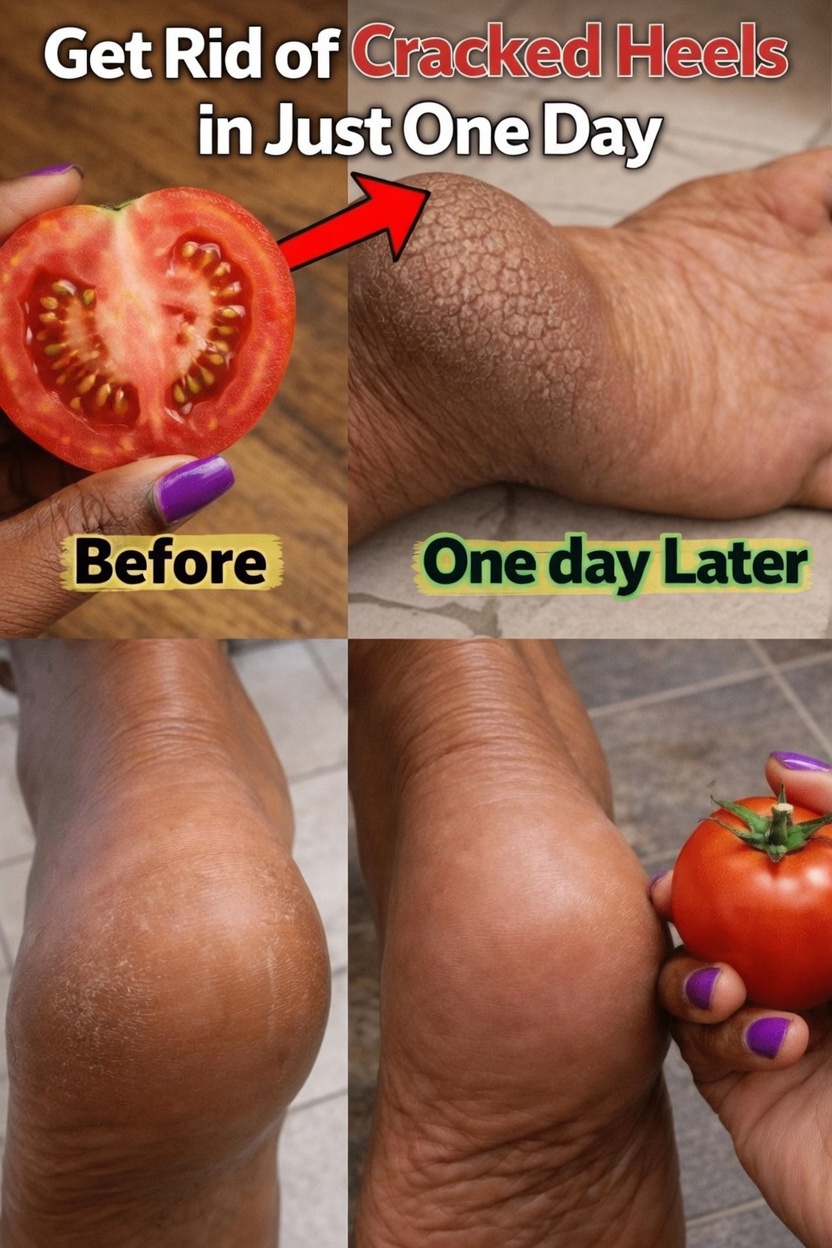
What Causes Cracked Heels?
Cracked heels, sometimes called heel fissures, usually appear when the skin around the heel becomes overly dry, thick, and less flexible. Once that skin loses elasticity, pressure from standing and walking can cause it to split.
Common triggers include:
- Standing or walking for long periods, especially on hard floors
- Wearing open-back footwear that leaves the heels exposed
- Walking barefoot often, which increases friction
- Living in low-humidity conditions
- Taking frequent hot showers that remove the skin’s natural oils
- Age-related skin dryness
- Certain health conditions that may affect skin health
Studies and skin care experts generally agree that moisture loss is one of the main reasons heels crack. When dryness is left untreated, the skin hardens and becomes more likely to break. Taking action early can help stop shallow dryness from becoming deep, painful fissures.
Why Tomatoes Are Mentioned in Natural Foot Care
Tomatoes are often used in DIY beauty and skin care because of their nutrient content. People interested in natural remedies are drawn to tomatoes for several reasons:
- They contain natural fruit acids, including citric and malic acid, which may help loosen dead skin cells
- They provide vitamin C, a nutrient linked to skin health and collagen support
- They contain lycopene, an antioxidant associated with protection against environmental stress, mainly through dietary intake
Some people say tomato juice feels cooling and refreshing on rough, dry heels. Others believe its mild acidity may help soften thickened skin when used gently.
That said, scientific evidence specifically proving that topical tomato treatments heal cracked heels is limited. The potential benefit is more likely related to general skin care principles such as mild exfoliation, hydration, and regular moisturizing rather than to tomatoes alone.
Using acidic fruits for rough skin is not a new idea. In traditional home care practices, ingredients like lemon or vinegar have also been used carefully to soften calluses. Tomatoes are often seen as a gentler alternative.
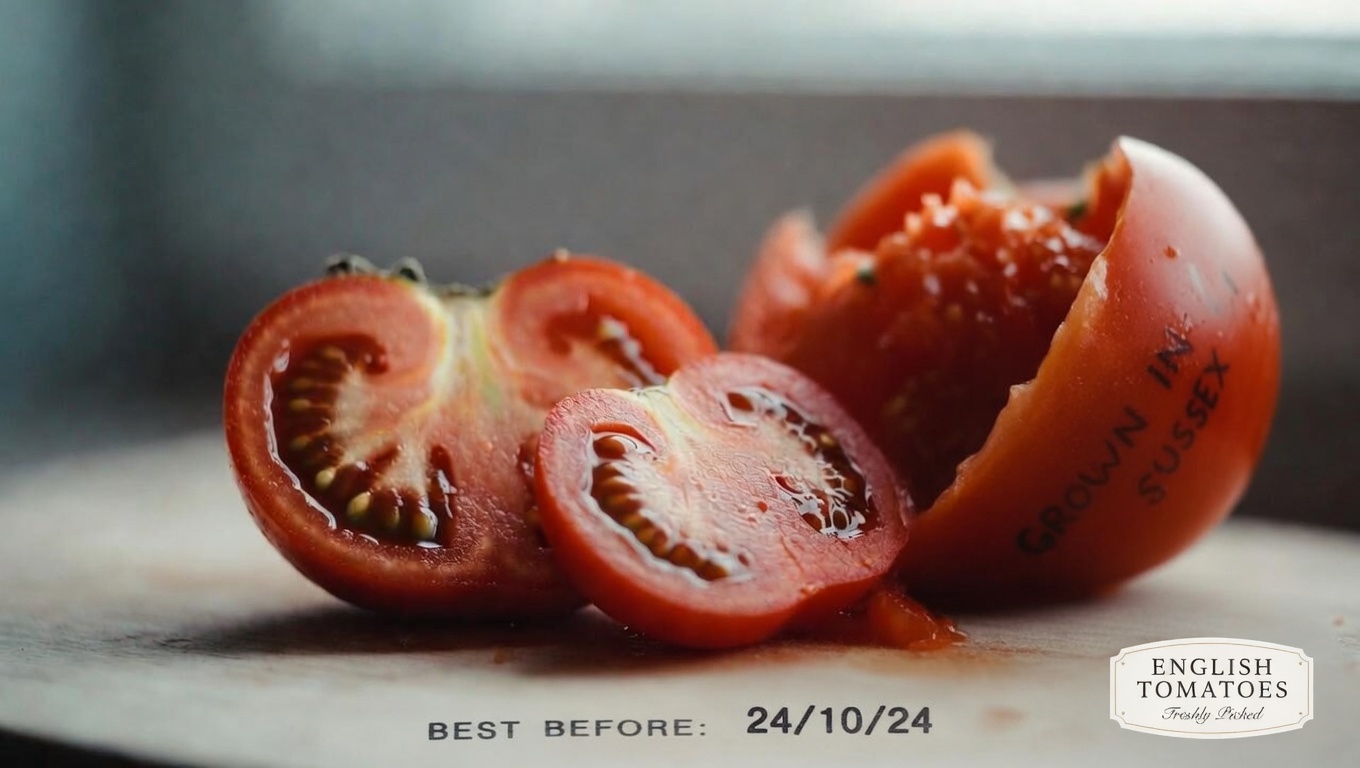
How to Try a Tomato-Based Foot Treatment at Home
If you want to test tomatoes in your foot care routine, the key is to keep it simple and gentle. Always do a patch test first, especially if your skin is sensitive or already irritated.
Step-by-Step Method
- Pick 1 to 2 ripe, fresh tomatoes.
- Wash them well before use.
- Cut them into halves or slices.
Option 1: Tomato Rub
- Start with clean, dry feet.
- Take the cut side of the tomato and rub it over your heels in slow circular motions.
- Continue for about 3 to 5 minutes.
This method allows the natural juice to coat the rough skin and may create a cooling sensation.
Option 2: Tomato Heel Mask
- Grate or blend one ripe tomato into a soft pulp.
- Spread a thin layer over the heels.
- Wrap the area loosely with a clean cloth or plastic wrap.
- Leave it on for 15 to 20 minutes while you rest.
After either method:
- Rinse your feet with lukewarm water
- Pat dry gently
- Apply a thick moisturizer right away, such as petroleum jelly or a urea-based foot cream
For best results, use this treatment 2 to 3 times per week rather than every day. Overuse may irritate the skin or cause too much exfoliation.
Safety Tips
- Do not apply tomato to open cuts, bleeding cracks, or deeply damaged skin
- Stop immediately if you feel burning, redness, or irritation
- Avoid using this remedy as a replacement for medical treatment if your heels are severely cracked or painful
The Best Habits for Softer, Healthier Heels
Tomatoes may be a nice extra step, but long-term improvement usually comes from consistent daily care. No single ingredient can do as much as a full routine.
Supportive Heel Care Habits
-
Daily moisturizing
- Helps repair the skin barrier
- Reduces dryness and prevents further cracking
- Best used morning and night
-
Warm foot soaks
- Softens hardened skin
- Makes later exfoliation easier
- Try 10 to 15 minutes, 3 to 4 times weekly
-
Gentle exfoliation
- Removes built-up dead skin
- Helps creams absorb better
- Use 2 to 3 times weekly with a pumice stone
-
Supportive footwear
- Reduces pressure and friction on the heel
- Helps prevent repeated cracking
- Important for daily wear
-
Hydration and balanced nutrition
- Supports skin health from within
- Should be maintained consistently
When combined, these habits usually give better results than relying on one natural remedy alone.
Extra Tips to Improve Cracked Heels
If you want smoother heels faster, these additional practices may help:
- Soak your feet in warm water with a handful of Epsom salts for gentle softening and relaxation
- Use a pumice stone or foot file only after soaking, never on dry skin, to reduce the risk of tearing
- Apply a foot cream containing 10% to 20% urea before bed
- Wear cotton socks overnight to help seal in moisture
- Drink enough water throughout the day
- Eat fruits and vegetables rich in vitamins that support skin health
Research suggests that regular moisturizing and careful exfoliation can significantly improve dry, rough skin over time. Consistency matters more than intensity.
When to Seek Professional Help
Home care may work well for mild dryness, but not all cracked heels should be treated on your own. If there is no clear improvement after a few weeks, or if the cracks become painful, bleed, or show signs of infection, it is best to see a podiatrist or dermatologist.
Warning signs include:
- Persistent pain
- Bleeding
- Swelling
- Redness
- Signs of infection
- Deep fissures that make walking difficult
A medical professional can identify any underlying causes and recommend the most effective treatment for your skin.
FAQ
How long does it usually take cracked heels to get better?
With regular care, such as daily moisturizing and gentle exfoliation, many people notice improvement within 1 to 4 weeks. More severe heel cracks may take longer.
Can everyone use tomatoes on their skin?
Not always. Many people tolerate tomatoes without problems, but their natural acidity can irritate sensitive, broken, or inflamed skin. Always patch-test first.
Are natural remedies better than store-bought foot products?
Often, the most effective approach is a combination of both. Natural remedies may provide mild support, while proven products like urea creams offer deeper and more reliable hydration.
Can food choices affect cracked heels?
Yes. A diet rich in vitamins A, C, and E, along with omega-3 fats and proper hydration, can help support healthier skin and better elasticity.
Final Note
This article is intended for informational purposes only and should not be considered medical advice. If you have ongoing skin problems, deep heel cracks, or existing health conditions, consult a qualified healthcare professional before trying any new treatment.