
Homemade Rosemary Oil for Hair: A Simple Guide to Preparation, Use, and Research
Seeing extra hair in your brush or noticing thinning around your scalp can be discouraging and may affect how you feel about your appearance. Because of this, many people look for natural, low-effort ways to support their hair care routine without relying only on commercial products. One remedy that has become especially popular is rosemary oil. Recent interest has grown as some research suggests it may help maintain a healthier scalp environment when used regularly.
This guide explains how to make rosemary-infused oil at home with simple ingredients, how to apply it correctly, and what current studies actually say about its potential benefits.
The most important part of the process is surprisingly simple: how you prepare the rosemary makes a major difference in the quality of the infusion.
Why Rosemary Is So Popular in Hair Care
Rosemary is widely known as a culinary herb, but it also contains plant compounds that have attracted scientific attention, including antioxidants and anti-inflammatory components. One of the most frequently cited studies, published in 2015, compared rosemary oil with 2% minoxidil in people with androgenetic alopecia. After six months, both groups experienced similar increases in hair count, and there was no significant difference in overall results. Notably, people using rosemary reported less scalp itching.
More recent reviews published in 2024, along with studies emerging in 2025, have continued to examine rosemary’s role in scalp support. These findings often point to its soothing qualities and its possible ability to encourage circulation in the scalp. Although the evidence is still developing and larger human studies are needed, many people enjoy adding rosemary oil to their routine because it is pleasant, accessible, and easy to use.
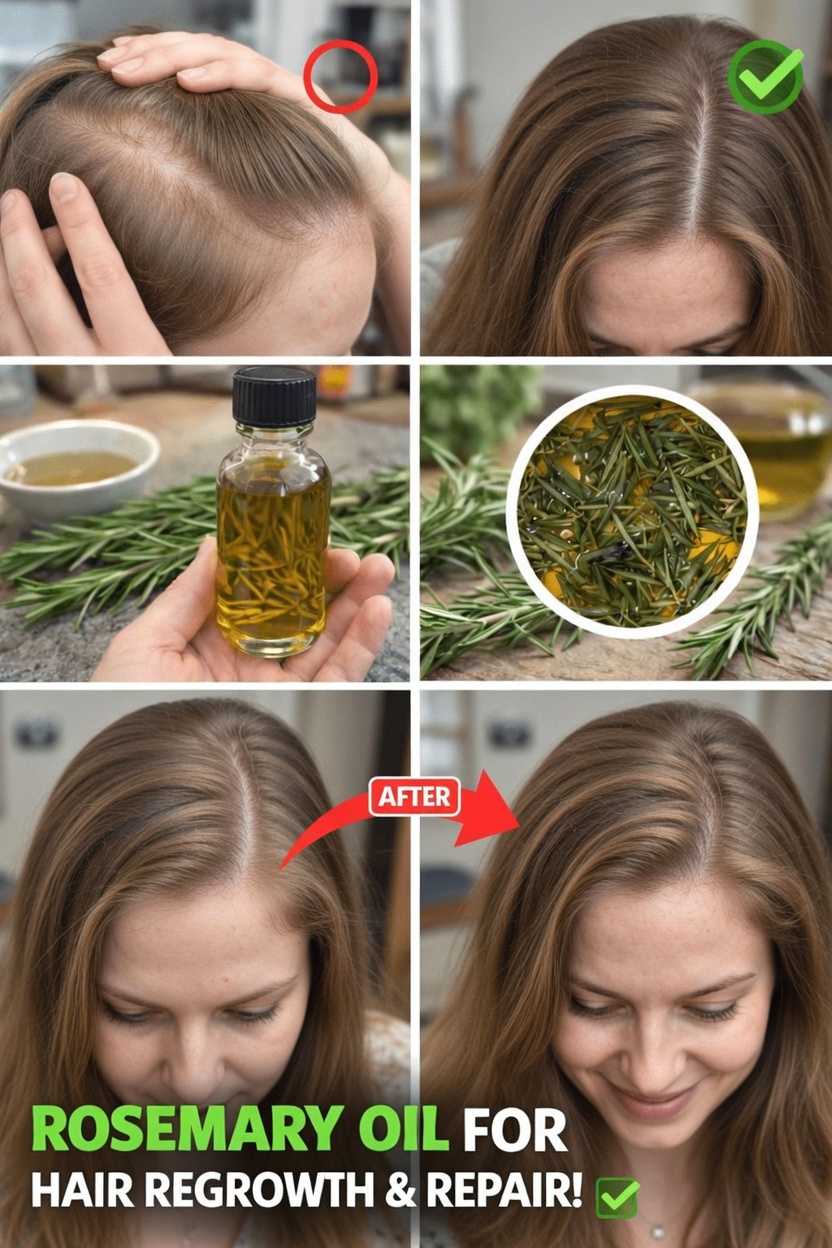
The good news is that you do not need complicated tools or expensive ingredients to make your own rosemary oil at home.
Ingredients and Supplies You’ll Need
Before you begin, gather the following items:
- Fresh or dried rosemary sprigs
- About 1 cup of carrier oil, such as:
- Olive oil
- Jojoba oil
- Fractionated coconut oil
- A clean glass jar with a secure lid
- Optional: cheesecloth or a fine strainer for filtering
Fresh rosemary often creates a more aromatic infusion, while dried rosemary is practical and easier to store. If you use fresh rosemary, choosing organic is a good option when possible.
Two Easy Ways to Make Rosemary-Infused Oil
There are two common methods for infusing rosemary into oil. One takes more time but avoids heat, while the other speeds things up with gentle warming.
Method 1: Slow Infusion Without Heat
This method is ideal if you want a simple approach that helps preserve the herb’s natural compounds.
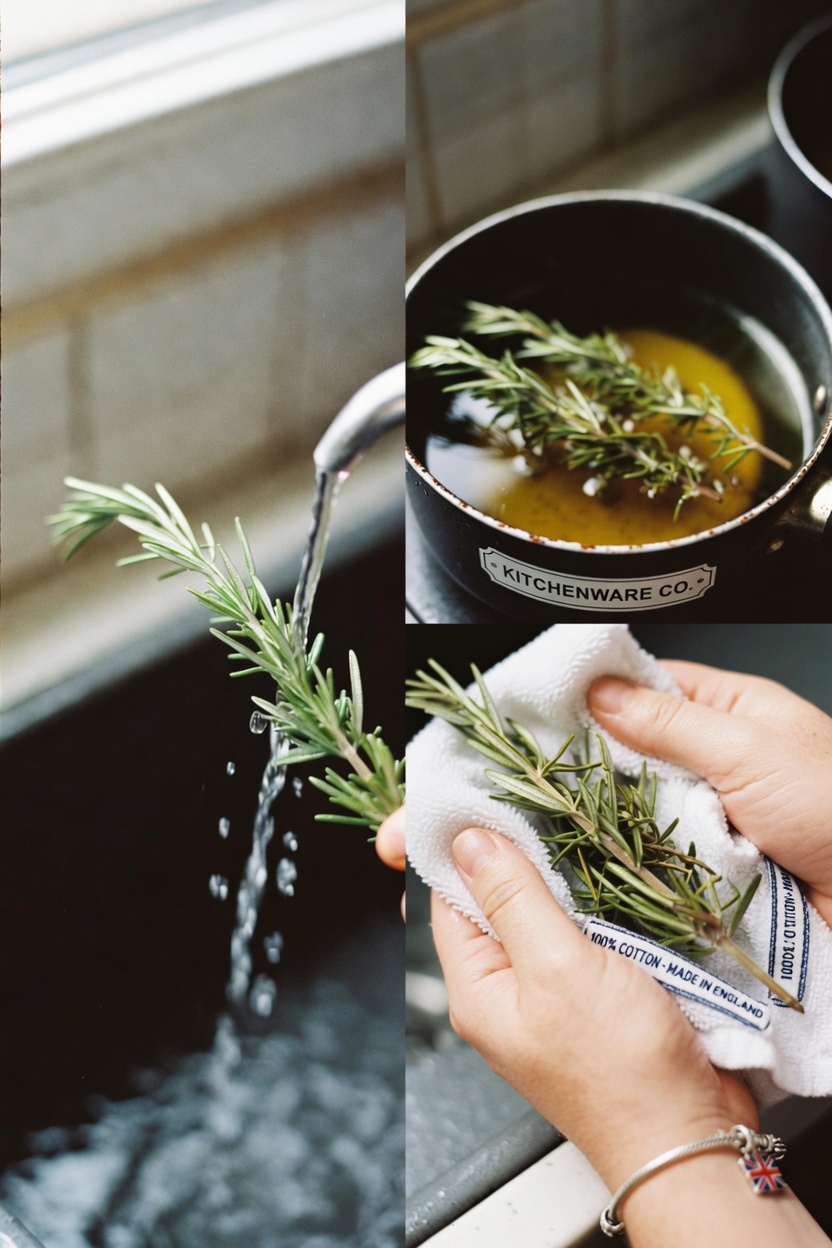
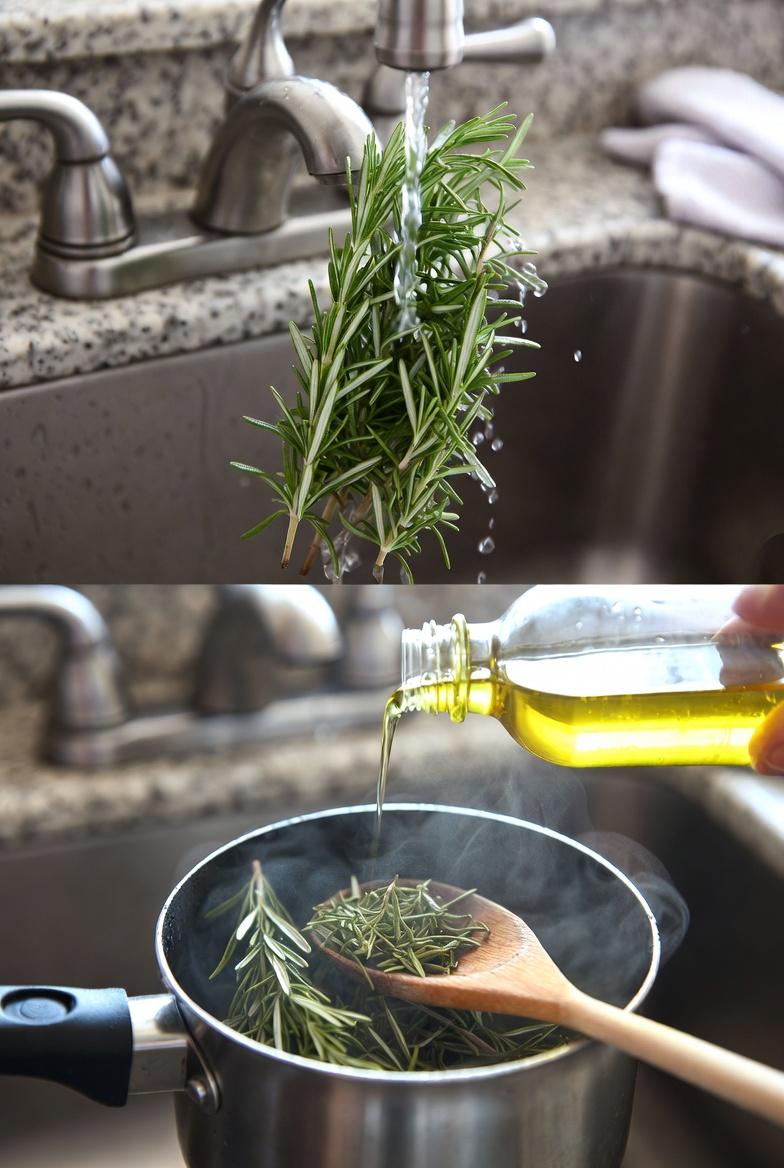
- If you are using fresh rosemary, rinse it well and dry it completely.
- Let the rosemary wilt slightly for about a day to reduce moisture.
- Fill a clean glass jar about halfway with the rosemary sprigs. You can chop them lightly if needed.
- Pour the carrier oil into the jar until the rosemary is fully submerged.
- Seal the jar tightly and place it in a warm area or a sunny spot for 2 to 4 weeks.
- Shake the jar once a day to help distribute the infusion.
- After the waiting period, strain the oil through cheesecloth or a fine strainer into a clean bottle.
- Store the finished oil in a cool, dark place.
This no-heat method is slow, but many people prefer it because the infusion develops gradually and gently.
Method 2: Warm Infusion for Faster Results
If you want to use the oil sooner, a low-heat process can help speed things up.
- Place the rosemary in a small saucepan.
- Add enough carrier oil to fully cover the herb.
- Warm the mixture over very low heat for 20 to 30 minutes.
- Do not let it boil, as high heat may reduce the quality of the infused oil.
- Remove the pan from the heat and let the rosemary steep for several hours, or overnight for a stronger infusion.
- Strain the oil and pour it into a dark glass bottle for storage.
Both methods work well, so the best choice depends on how quickly you want the oil and whether you prefer a heat-free process.
How to Apply Rosemary Oil to Your Scalp
Making the oil is only part of the routine. The way you use it can also affect how comfortable and effective it feels.
A common application routine includes:
- Apply 1 to 2 teaspoons of the infused oil directly to the scalp
- Massage gently with your fingertips for 5 to 10 minutes
- Leave it on for at least 30 minutes
- For a deeper treatment, leave it overnight and cover your hair with a shower cap
- Wash it out with a mild shampoo
- Repeat 2 to 3 times per week
Because infused rosemary oil is milder than pure essential oil, it is usually easier on the skin. Even so, it is still smart to perform a patch test on your inner arm before full use.
Tips to Get Better Results
If you want to make the most of your rosemary hair routine, keep these points in mind:
- Be consistent: Regular use matters more than occasional treatments.
- Massage the scalp: Gentle massage may help improve blood flow.
- Support hair health from within: Nutrients such as iron and biotin are important for overall hair wellness.
- Give it time: Visible changes often take several months, not just a few days.
- Store the oil correctly: Keep it away from direct sunlight and excess heat to preserve quality.
What Research Says About Rosemary Oil for Hair
Scientific interest in rosemary oil mainly centers on its possible role in supporting scalp circulation and creating conditions that may be more favorable for hair follicles. The 2015 study remains one of the strongest references, showing that rosemary oil performed similarly to minoxidil in increasing hair count after long-term, consistent use.
More recent reviews from 2024 suggest that rosemary contains bioactive compounds that may provide antioxidant support and calming effects for the scalp. Laboratory and animal studies also point to possible mechanisms such as improved microcirculation. However, human research is still limited, so it is important to view rosemary oil as a supportive option rather than a guaranteed treatment.
Results can vary widely depending on genetics, scalp health, lifestyle, and the underlying cause of hair thinning.
Frequently Asked Questions
How long does it take to notice results?
Some people report that their scalp feels healthier or more comfortable within a few weeks. However, visible changes in hair thickness or density usually require 3 to 6 months of consistent use.
Can I use rosemary straight from my garden?
Yes, but it should be dried slightly before infusing it into oil. Too much moisture can cause the oil to spoil more quickly.
Is homemade rosemary oil okay for regular use?
When prepared properly and patch-tested first, it is generally well tolerated. It is still best to begin slowly and pay attention to how your scalp responds.
What if I have sensitive skin?
Choose the slow infusion method and consider adding more carrier oil to make the final product even gentler. If you have eczema, dermatitis, or other scalp conditions, it is wise to speak with a dermatologist before use.
Final Thoughts
Homemade rosemary oil is a simple and affordable way to explore one of the most talked-about natural hair care remedies. It smells pleasant, requires only a few ingredients, and fits easily into a weekly scalp care routine. While research on rosemary oil is promising, healthy hair growth is rarely about one product alone. A balanced diet, gentle hair handling, good scalp care, and patience all play an important role.
If you want to try a natural addition to your routine, rosemary-infused oil is an easy place to start.