
A Simple Herbal Tea Ritual for Everyday Joint Comfort
Many people find that their knees or hips feel tighter after a busy day or during shifts in the weather. Over time, ordinary actions like standing up from a chair or walking up stairs may feel less comfortable than they once did. This is a familiar part of life for many active adults and older individuals, and it can make daily routines feel more challenging.
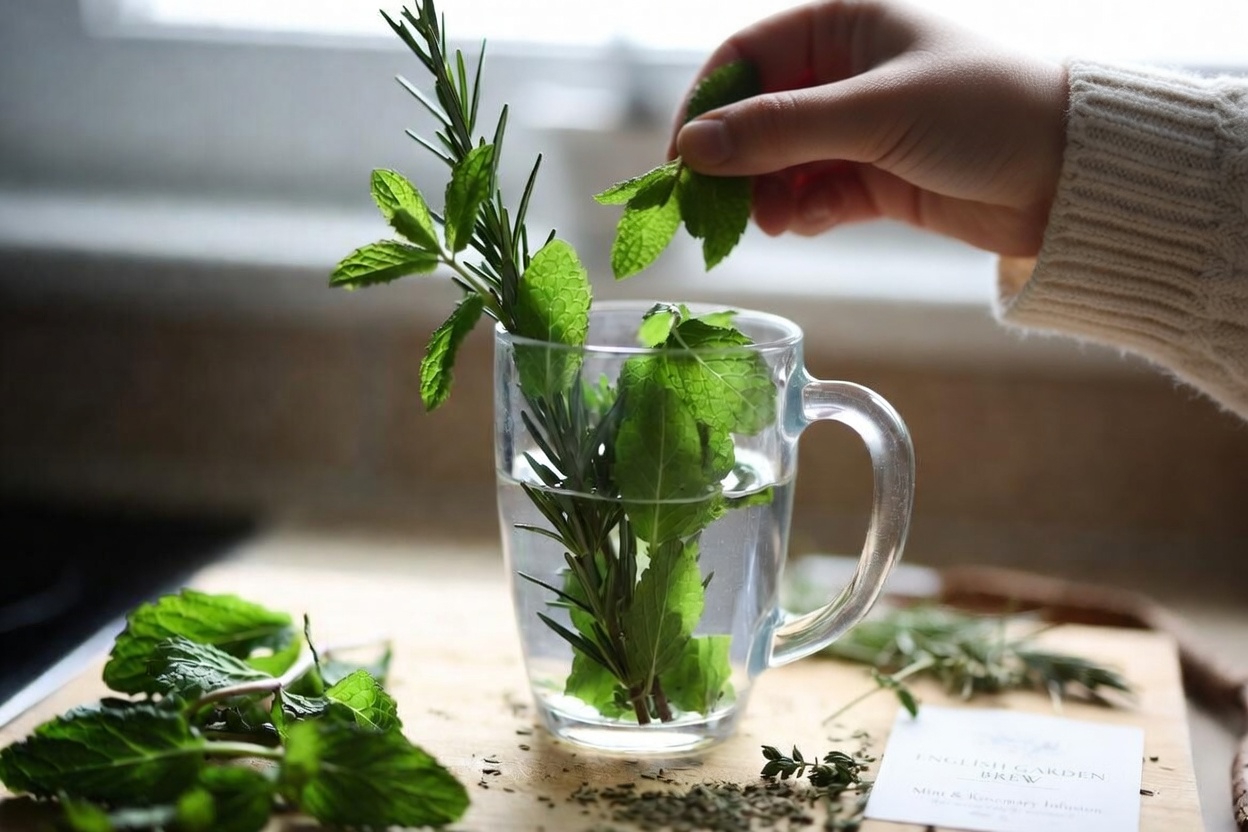
A small, soothing habit may help support overall wellness: a warm herbal tea made with fresh mint and rosemary. It is easy to prepare, pleasant to drink, and simple to add to a daily routine. In this article, you will learn why this herbal combination is gaining attention, how it may support joint-friendly living, and how to make it at home.

Why Herbal Teas Are Popular for Daily Wellness
Herbal infusions have long been part of healthy lifestyles around the world. Mint, including peppermint and spearmint, and rosemary are well-known culinary herbs valued not only for their flavor but also for their natural plant compounds. These include antioxidants and rosmarinic acid, which have attracted growing scientific interest.
Research suggests that such compounds may help the body cope with everyday oxidative stress and inflammation, both of which are connected to how joints feel over time. In one study, people who regularly consumed spearmint tea high in rosmarinic acid reported improvements in knee stiffness and day-to-day function. Another study in animals examined peppermint and rosemary essential oils in a nanoemulsion form and found reduced discomfort along with improved antioxidant activity in joint tissue.
Although these results come from early-stage and smaller studies, they help explain why many wellness-minded individuals are including these herbs in their routines. Beyond the science, one of the biggest advantages is how enjoyable and convenient this habit can be.
What Makes Mint and Rosemary Special?
Mint offers a naturally cooling sensation due to menthol, while rosemary brings a warm, woodsy aroma and beneficial compounds such as rosmarinic acid and carnosic acid. Together, they create a refreshing tea with a balanced, uplifting flavor.
These herbs are often studied for several supportive wellness properties:
- Antioxidant support: They may help the body manage free radicals involved in normal daily wear and tear.
- Natural anti-inflammatory activity: Certain plant compounds may influence pathways linked to comfort and mobility.
- A calming daily ritual: A warm cup of tea and its soothing aroma can encourage relaxation and mindfulness.
A 2014 study on spearmint tea pointed to possible improvements in joint stiffness with regular use. A 2021 animal study involving peppermint and rosemary essential oils also showed encouraging effects related to discomfort and tissue health.
Even so, herbal tea should be viewed as a supportive habit rather than a standalone solution. It works best alongside exercise, balanced nutrition, and proper rest.

How This Tea Can Support a Joint-Friendly Routine
For people dealing with occasional stiffness, simple habits are often the easiest to maintain. Drinking herbal tea is one practical way to enjoy plant-based compounds while taking a moment to pause during the day.
This pairing stands out for a few reasons:
- Mint feels cooling and soothing, which many people find refreshing.
- Rosemary has a long history of traditional use for circulation and muscular comfort.
- The flavor combination is enjoyable, making it easier to stay consistent.
A small human trial found that daily spearmint tea intake was associated with better knee stiffness scores. Animal studies on peppermint and rosemary also suggested improved antioxidant markers and healthier-looking joint tissue. These peer-reviewed findings continue to build interest in herbal approaches for everyday comfort.
Easy Mint and Rosemary Tea Recipe
Making mint and rosemary tea at home takes only a few minutes and requires very little effort.
Ingredients
- 8 to 10 fresh mint leaves
- 1 to 2 small sprigs of fresh rosemary
- 2 cups of hot water
- Optional: lemon slice or a small amount of honey
Instructions
- Bring 2 cups of water to a boil.
- Remove it from the heat and let it sit for 1 to 2 minutes so it cools slightly.
- Place the mint and rosemary in a teapot, cup, or heat-safe mug.
- Pour the hot water over the herbs.
- Cover and steep for 5 to 7 minutes.
- Strain the tea and drink while warm.
- Add lemon or honey if desired, though many people enjoy it plain.
Using Dried Herbs
If fresh herbs are not available, use:
- 1 teaspoon dried mint per cup
- 1 teaspoon dried rosemary per cup
Steep in the same way for a similar result.
Helpful Tips
- Choose fresh herbs when possible for a brighter taste and potentially stronger natural aroma.
- Drink 1 to 2 cups per day as part of your morning routine or evening wind-down.
- Store fresh herbs properly in the refrigerator, loosely wrapped in a damp paper towel.
Because it is quick and repeatable, this tea can become an easy wellness ritual to maintain.
Lifestyle Habits That May Improve Joint Comfort
Herbal tea tends to be most useful when it is part of a bigger picture. If you want to support joint comfort naturally, these habits may help:
- Stay active with gentle movement such as walking, swimming, or yoga.
- Eat a balanced diet with fruits, vegetables, healthy fats, and lean protein.
- Stretch regularly and maintain good posture to reduce daily tension.
- Manage body weight if needed, since even modest changes can ease pressure on hips and knees.
- Prioritize sleep and stress management, both of which affect how the body feels.
Many people get better results when they combine several healthy habits instead of relying on just one.
Other Natural Options to Explore
Mint and rosemary tea is a popular choice, but some people also enjoy combining it with other natural practices.
Complementary Ideas
- Ginger or turmeric tea: Both are known for warming flavor and compounds studied for anti-inflammatory support.
- Green tea: A good source of catechins and antioxidants.
- Warm compresses or gentle massage: Some people find relaxation from topical methods, including properly diluted essential oil blends.
Before using new supplements or essential oils, it is wise to speak with a healthcare provider, especially if you take medication or have an existing health condition.
Frequently Asked Questions About Mint and Rosemary Tea
How often should I drink it?
Many people begin with 1 to 2 cups daily and monitor how they feel over a few weeks. Regular use usually matters more than drinking large amounts.
Can dried herbs be used instead of fresh ones?
Yes. Dried mint and rosemary are convenient and still contain beneficial plant compounds. Fresh herbs may simply provide a more vibrant taste.
Is this tea suitable for everyone?
Herbal teas are generally well tolerated, but people who are pregnant, breastfeeding, or managing specific medical conditions should consult a doctor first. Rosemary in larger amounts may not be appropriate for everyone.
Can it replace my usual joint care plan?
No. This tea is best seen as a supportive addition to healthy movement, good nutrition, and professional medical care when needed.
What does it taste like?
It has a fresh, mildly minty, herbal flavor with a balance of cooling and earthy notes. Many people find it both calming and energizing.
Final Thoughts
A daily cup of mint and rosemary tea can be a small but meaningful step toward a more comfortable routine. Its pleasant aroma, gentle plant compounds, and calming ritual all add to its appeal.
When combined with regular movement, nourishing meals, and quality sleep, this simple habit may help support overall well-being. In many cases, the smallest routines practiced consistently are the ones that make the biggest difference over time.