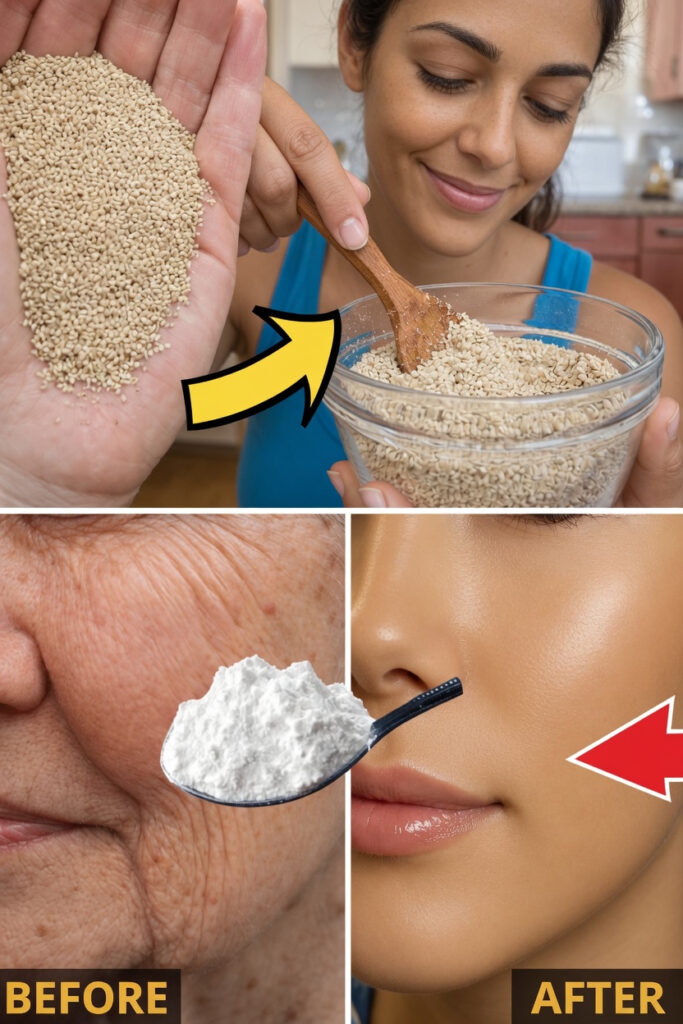
Yogurt and Yeast Face Mask: A Simple DIY Skincare Routine for Softer, Healthier-Looking Skin
As the years go by, many people begin to notice shifts in their skin’s texture and overall appearance. Dryness, dullness, and fine lines can make skincare feel more frustrating and may even affect self-confidence. Because of this, more individuals are looking for low-cost, natural ways to improve the look and feel of their skin without relying on complicated routines or expensive products.
One home remedy that has attracted growing interest is a face mask made from plain yogurt and yeast. With just a few basic kitchen ingredients, this combination offers a straightforward option for those who prefer simple skincare solutions.
What makes this DIY mask so appealing, and how can you use it safely at home? Here is a complete guide.
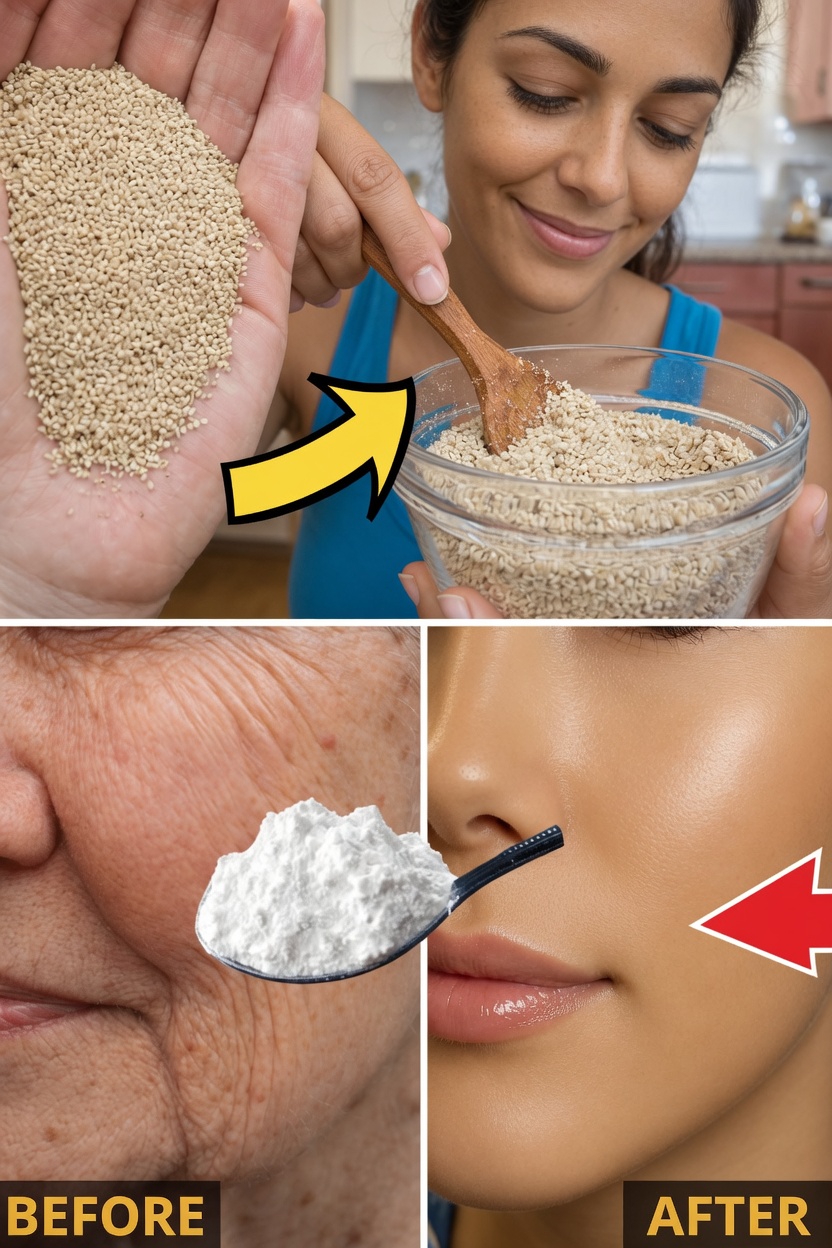
Why Yogurt and Yeast Have Become a Popular DIY Skincare Trend
Natural skincare continues to appeal to people who want easy, practical solutions that fit into everyday life. Yogurt and yeast are often mentioned because they are inexpensive, easy to find, and simple to prepare.
These ingredients are not new to beauty routines. In fact, both have appeared in traditional self-care practices in different parts of the world for many years. Their popularity today comes from the growing interest in gentle, homemade treatments that feel accessible and less overwhelming.
The Skincare Benefits of Yogurt
Yogurt is widely recognized for its lactic acid content, which belongs to the alpha hydroxy acid family. Lactic acid is known for helping remove dead skin cells from the surface, making it a gentle exfoliating ingredient.
Some research suggests that lactic acid may help improve skin softness and support moisture retention. Yogurt is also often associated with probiotics, which researchers have explored for their possible role in maintaining a stronger, healthier skin barrier.
Because of these qualities, yogurt is commonly used as the base of homemade face masks. It can deliver hydration while also helping the skin appear smoother and slightly brighter over time.
Why Yeast Is Added to Skincare Mixtures
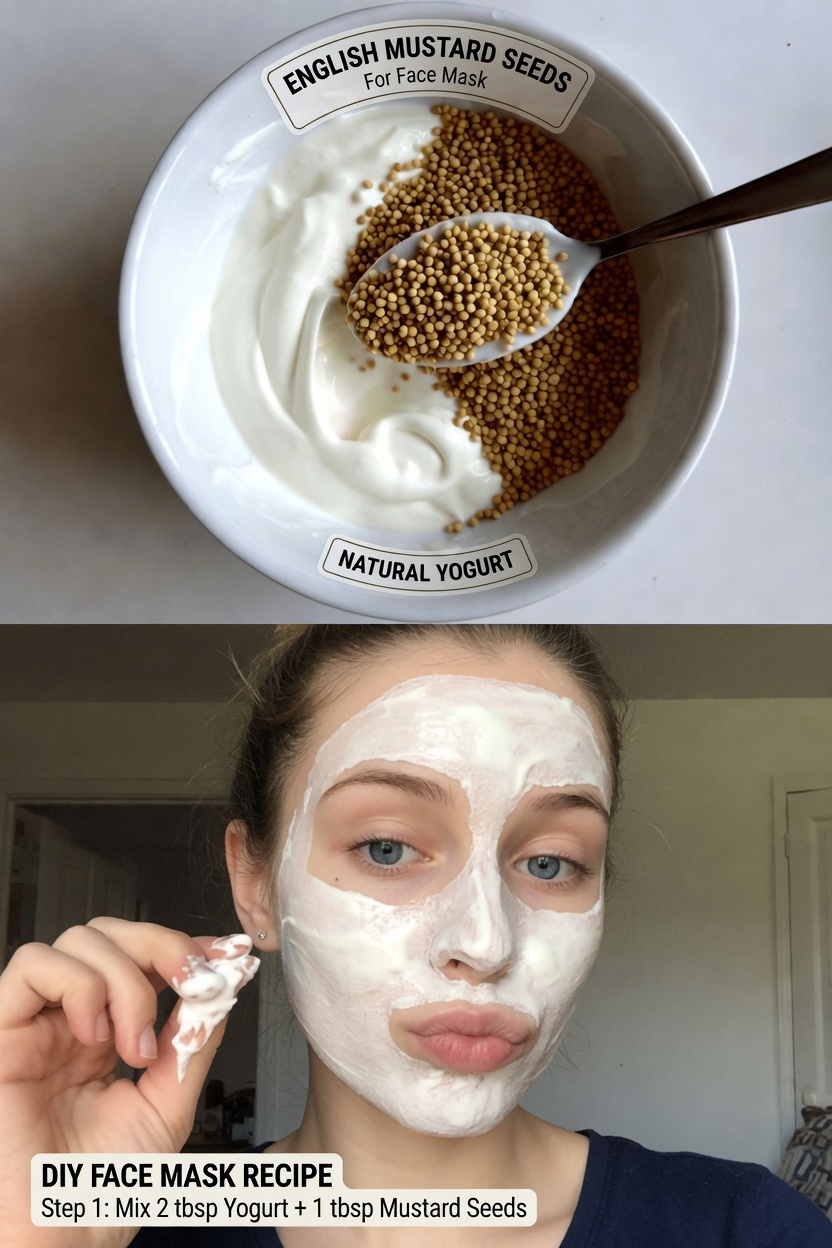
Yeast, especially active dry yeast used for baking, contains B vitamins and other nutrients that are often linked to skin nourishment when used in topical recipes.
When mixed with yogurt, yeast creates a soft, creamy texture with a lightly activated feel that many people find calming on the skin.
Some reasons people like adding yeast include:
- It contains vitamins that may help support skin comfort
- It can leave the skin feeling softer after use
- It blends easily with yogurt and other creamy bases
How Yogurt and Yeast Work Together
When these two ingredients are combined, they form a smooth paste that is easy to spread over the face. The yogurt provides moisture and mild surface exfoliation, while the yeast adds nutrients that may help the skin feel nourished.
Many users report that the mask gives the skin a temporary plump and refreshed look due to the added hydration. Still, results vary from person to person depending on skin type, sensitivity, and how regularly the mask is used.
How to Make a Yogurt and Yeast Face Mask at Home
If you want to try this homemade skincare treatment, the process is quick and easy.
Ingredients
- 3 tablespoons of plain, unsweetened yogurt
- 1 tablespoon of active dry yeast
Instructions
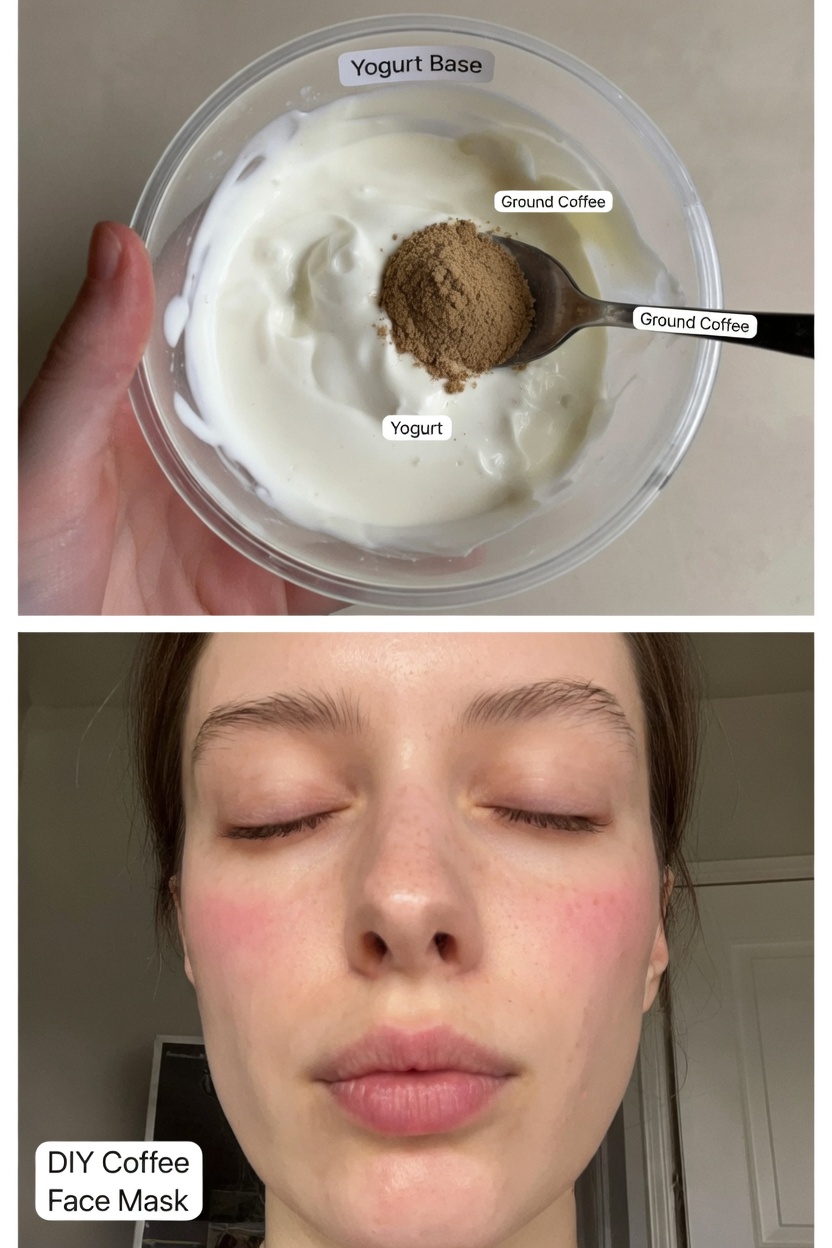
- Place the yogurt and yeast into a clean bowl.
- Stir well until the mixture becomes smooth and creamy.
- Let it rest for 5 to 10 minutes so the yeast can activate slightly.
- Wash your face with a gentle cleanser and pat it dry.
- Apply the mask evenly across the skin, avoiding the eye area.
- Leave it on for 10 to 15 minutes.
- Rinse off with lukewarm water.
- Finish with your regular moisturizer.
For most people, using this mask once or twice a week is enough. Before applying it to your face, test a small amount on your inner arm to make sure your skin does not react badly.
Safety Tips Before Using a Yogurt and Yeast Mask
Every skin type is different, so a homemade treatment that works well for one person may not be ideal for someone else.
Keep these precautions in mind:
- Always do a patch test before full application
- Avoid the mask if you have cuts, broken skin, or severe irritation
- Stop using it immediately if redness, burning, or discomfort occurs
- If you have highly sensitive skin or a diagnosed skin condition, consult a dermatologist first
Being careful is especially important when trying any new skincare ingredient, even natural ones.
Habits That Can Improve Skin Appearance Alongside This Mask
A face mask can be a helpful addition to your routine, but long-term skin health usually depends on consistent daily habits. If you want better overall skin comfort and appearance, consider the following:
- Drink enough water throughout the day
- Apply broad-spectrum sunscreen daily
- Eat a balanced diet with plenty of fruits and vegetables
- Get enough sleep to support natural skin recovery
- Use mild cleansing products that do not strip the skin
Using a yogurt and yeast mask along with these healthy habits may help you get better results over time.
Comparing Popular Natural Face Mask Options
If you enjoy DIY skincare, there are several other homemade mask options worth considering depending on your skin’s needs.
| Mask Type | Key Ingredients | Main Benefit |
|---|---|---|
| Yogurt and Yeast Mask | Yogurt + Yeast | Hydration and gentle exfoliation |
| Honey and Yogurt Mask | Honey + Yogurt | Extra soothing support |
| Oatmeal Mask | Oatmeal + Water or Yogurt | Helps calm irritated skin |
| Avocado Mask | Avocado + Yogurt | Adds healthy fats for dry skin |
Each mask serves a different purpose, so the best choice depends on what your skin needs most at the moment.
Final Thoughts
Adding natural ingredients like yogurt and yeast to your skincare routine can be a pleasant and mindful way to care for your skin. This simple mask is easy to prepare, affordable, and suitable for people who prefer uncomplicated beauty habits.
The key is to stay consistent, pay attention to how your skin responds, and keep your routine balanced with healthy daily practices.
Frequently Asked Questions
How often should I use a yogurt and yeast face mask?
Most people do well with using it once or twice per week. Applying it too often may cause dryness for some skin types, so it is best to begin gradually and monitor your skin’s response.
Can all skin types use this mask?
It may be most suitable for normal to dry skin. People with very oily, acne-prone, or highly sensitive skin should be careful and may want to speak with a skincare professional before trying it.
What kind of yogurt and yeast should I choose?
Use plain, unsweetened yogurt, either regular or Greek, without added flavors or sugar. For yeast, active dry yeast from the baking aisle is the most commonly used option for this type of homemade mask.