The Perfect Morning: Easy, Creamy Scrambled Eggs
My mornings are simple and predictable. I wake up, make myself a strong black coffee, and sit down to start working from home. After about an hour to an hour and a half, hunger hits hard. At that point, nothing feels easier—or more satisfying—than making a quick batch of scrambled eggs. Sometimes I enjoy them on their own, and other times I add a slice or two of bread when I want something more filling.
Last week, a friend stayed over and I made the same breakfast for her the next day. She loved it so much that she immediately asked how I managed to make such tasty scrambled eggs, since hers never seem to turn out as well. There’s no big secret, but there is a right way to make scrambled eggs, even when you’re rushing in the morning.
Below is my step-by-step method for making delicious, creamy scrambled eggs every time.
What You’ll Need
This scrambled eggs recipe is straightforward and doesn’t require special equipment. Gather the following:
- 3–4 large eggs per serving
- A splash of milk or cream (optional, for extra richness)
- Salt and other seasonings (pepper, herbs, etc.)
- Butter or oil (butter is highly recommended for better flavor)
- A non-stick frying pan
- A spatula or wooden spoon
- A bowl for whisking
- A plate and fork for serving
Step-by-Step Instructions
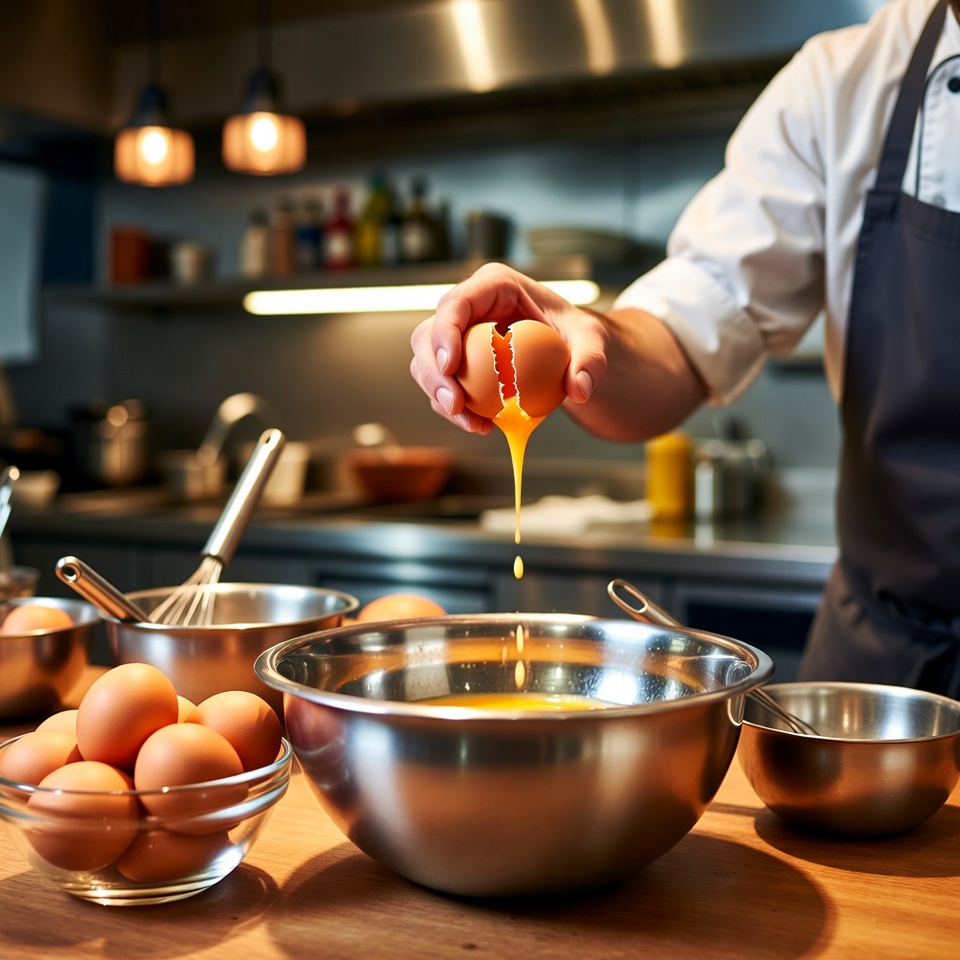
1. Crack and Whisk the Eggs
- Break the eggs into a bowl.
- Add a pinch of salt and, if you like creamier eggs, pour in a small splash of milk or cream.
- Use a fork or whisk to blend the yolks and whites until the mixture looks uniform.
You don’t need to beat the eggs aggressively; the goal is simply to combine everything well so the scramble cooks evenly.
2. Heat the Pan
- Place your non-stick pan over low to medium-low heat.
- Add about half a tablespoon of butter.
- Let the butter melt gently, swirling it around so it coats the entire base of the pan.
- Make sure the butter melts but does not brown or burn—if it darkens too quickly, your pan is too hot.
3. Cook the Eggs
- Pour the whisked eggs into the warm pan.
- Leave them undisturbed for about 20 seconds so they can begin to set at the bottom.
- Use your spatula to gently pull the eggs from the edges toward the center, forming soft curds.
- Continue this pattern: let them sit briefly, then push and fold them gently.
Keep cooking for about 2–3 minutes, depending on your stove, until the eggs are mostly set but still slightly glossy and soft.
4. Remove from Heat and Finish
Once the eggs are almost done:
- Take the pan off the heat while they still look a bit undercooked.
- The residual heat from the pan will continue to cook the eggs for the next minute or so.
This step is key to getting scrambled eggs that stay soft, moist, and creamy instead of dry and rubbery.
Helpful Tips for Perfect Scrambled Eggs
- Use low to medium heat: Cooking slowly prevents the eggs from becoming tough or overcooked.
- Butter for flavor: Butter gives a richer taste than oil. If you’re avoiding dairy, a neutral oil or olive oil works too, but the flavor will be slightly different.
- Keep the eggs moving: Gentle, frequent stirring helps create small, creamy curds and avoids overcooking any one spot in the pan.
- Don’t walk away: Scrambled eggs cook quickly. Stay by the stove to control the texture.
Flavor Boosts: Add-Ins and Seasoning
Scrambled eggs are delicious on their own, but they’re also a great blank canvas. You can easily upgrade them with a few extras.
When to Add Extras
Add most mix-ins toward the end of cooking, during the last minute or so. This prevents them from overcooking or releasing too much moisture.
Great add-ins include:
- Cheese
- Fresh herbs
- Cooked bacon or ham
- Sautéed onions, mushrooms, or bell peppers
- Spinach or other greens
Seasoning Tips
- Salt timing: Salt draws out moisture. For the best texture, do one of the following:
- Add a small pinch when whisking, then adjust seasoning at the end, or
- Add most of the salt right near the end of cooking to avoid watery eggs.
- Pepper and spices: Pepper, paprika, chili flakes, cumin, or a dash of hot sauce can bring your scrambled eggs to life. Add these close to the end or just after cooking.
Topping Ideas and Serving Suggestions
Here are some simple ways to dress up your scrambled eggs and make them feel more special.
1. Cheese
Stir in cheese about one minute before the eggs are done so it melts without separating:
- Cheddar for a sharp, comforting flavor
- Feta for a salty, tangy kick
- Goat cheese for extra creaminess and a slight tang
2. Fresh Herbs
Sprinkle fresh herbs on top right before serving:
- Chives
- Parsley
- Dill
- Cilantro (if you like a more vibrant, bold flavor)
They add color, freshness, and a nice aroma.
3. Avocado
Serve your scrambled eggs with sliced or diced avocado on the side, or gently fold it in after taking the pan off the heat. It adds:
- Extra creaminess
- Healthy fats
- A more “gourmet” feel to a simple breakfast
4. Spices and Heat
To give your scrambled eggs extra character, try:
- Smoked or sweet paprika
- Ground cumin
- Chili flakes or hot sauce
- Black pepper or white pepper
Start with a small amount, taste, and adjust.
Bringing It All Together
To make the best scrambled eggs:
- Whisk eggs with a little salt and optional milk or cream.
- Melt butter in a non-stick pan over low to medium-low heat.
- Cook gently, stirring and folding the eggs until nearly set.
- Remove from heat and let the residual warmth finish cooking.
- Add cheese, herbs, or other toppings at the end, then serve immediately.
With these simple steps, you’ll have soft, creamy scrambled eggs that taste great every single morning—whether you’re cooking just for yourself or impressing a guest at breakfast.