A Simple Daily Seed Habit That May Help Support Eye Comfort as You Age
As the years pass, many people begin to notice changes in how their eyes feel. Dryness, fatigue, light sensitivity, and that irritating gritty sensation often become more noticeable, especially after hours of screen time or exposure to bright environments. Some also deal with redness, blurred vision that improves after blinking, or discomfort during activities like reading, working, and night driving.
These symptoms can gradually interfere with both productivity and everyday enjoyment. The good news is that some people are turning to a small, easy-to-find food to help support eye moisture and overall visual wellness from within.
What if a common seed from your local grocery store could become part of a simple routine for healthier-feeling eyes? This article looks at the evidence behind flaxseeds for eye health and explains practical, safe, and tasty ways to include them in your meals each day.
Why Flaxseeds Are Getting More Attention for Eye Health
Flaxseeds, sometimes called linseeds, are tiny brown or golden seeds loaded with valuable plant nutrients. What makes them especially interesting for eye wellness is their high content of alpha-linolenic acid, or ALA, a plant-based omega-3 fatty acid.
Scientific research has explored how omega-3 fats may help support tear quality and reduce the feeling of dryness on the surface of the eyes. Clinical studies on dry eye discomfort have examined both flaxseed oil and ground flaxseed. In one trial, people who used flaxseed supplements for several weeks reported better eye comfort than those who did not.
Other findings suggest that the anti-inflammatory effects of omega-3s may help maintain a healthier tear film, which is essential for keeping the eyes lubricated and clear.
Flaxseeds also offer more than omega-3s alone. They contain:
- Lignans, which have antioxidant properties
- Fiber, which supports overall health
- Protective plant compounds that may indirectly benefit sensitive eye tissues
How Omega-3s May Help Keep Eyes Moisturized
Your eyes depend on a healthy, stable tear film to remain comfortable and to provide clear vision. When this tear layer becomes weak or evaporates too quickly, symptoms such as burning, irritation, and blurry vision can appear.
ALA omega-3s from flaxseeds may help by supporting the meibomian glands, the glands responsible for producing the oily layer of tears. This oily layer slows tear evaporation and helps the eyes stay moist throughout the day.
A 2023 study comparing flaxseed supplementation with standard omega-3 options found meaningful improvement in dry eye signs and symptoms after 12 weeks. Participants reported less discomfort, and the results were considered comparable to other widely used methods. That makes flaxseeds an appealing plant-based and budget-friendly option.
One practical advantage is that you do not need costly supplements to get started. Adding ground flaxseeds to regular meals can already provide a useful amount of ALA.
Flaxseeds vs. Other Seeds for Eye Support
Several seeds contain nutrients that are helpful for eye wellness, but flaxseeds are particularly notable for their omega-3 content. Here is how they compare:
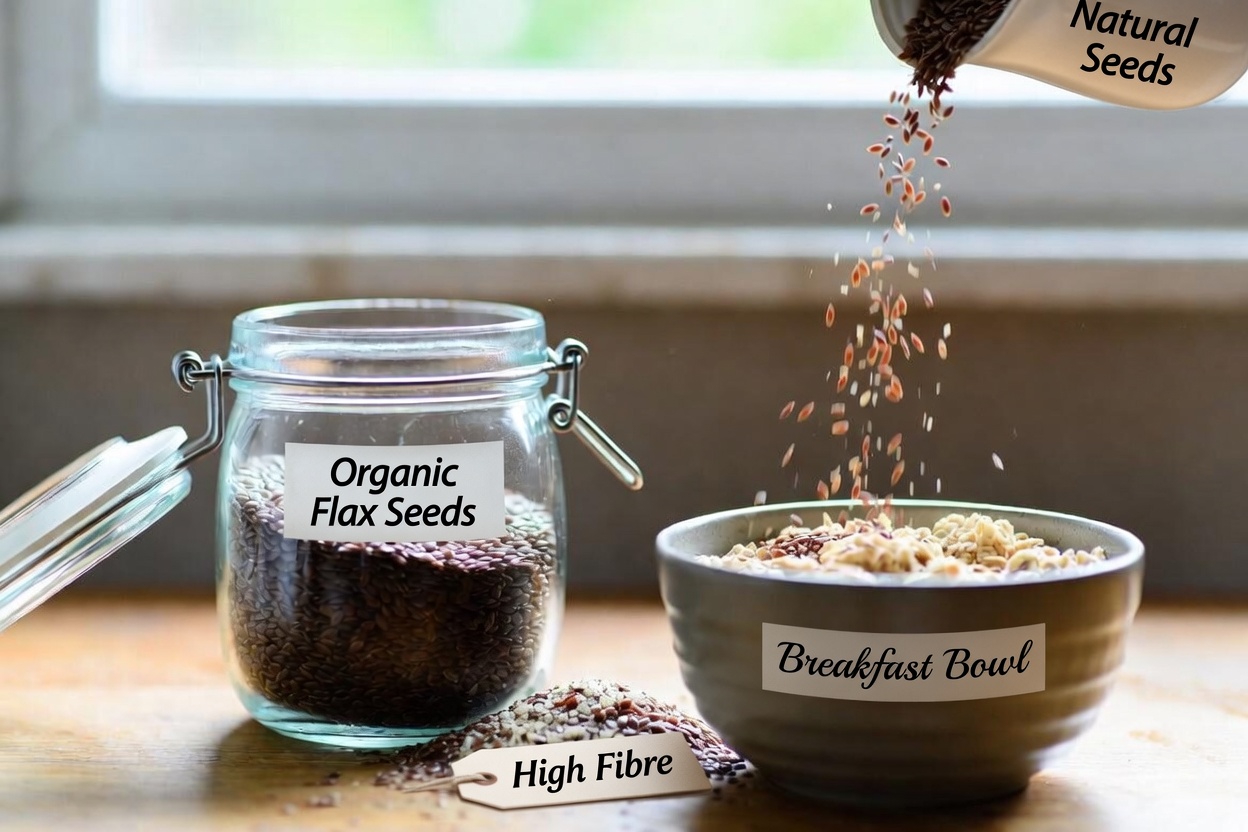
- Flaxseeds: The richest plant-based source of ALA omega-3s and also high in antioxidant lignans
- Chia seeds: A good source of ALA and fiber, which may support overall hydration
- Pumpkin seeds: Contain zinc and vitamin E, both important for maintaining healthy eye tissues
- Sunflower seeds: Rich in vitamin E, an antioxidant that helps protect cells from oxidative stress
All of these seeds can fit into a nutritious diet, but flaxseeds stand out because they deliver one of the strongest plant-based omega-3 boosts per serving. That is one reason they appear so often in discussions about natural support for dry, uncomfortable eyes.
Helpful tip: Whole flaxseeds are not absorbed well by the body. For better nutrient availability, it is best to grind them before eating.
Easy Ways to Add Flaxseeds to Your Daily Diet
Including flaxseeds in your routine does not have to be complicated. Below are simple ways to enjoy them every day:
-
Add them to a smoothie
- Blend 1 tablespoon of freshly ground flaxseeds into a fruit smoothie with yogurt or milk for a smooth and mild nutty taste.
-
Mix them into breakfast
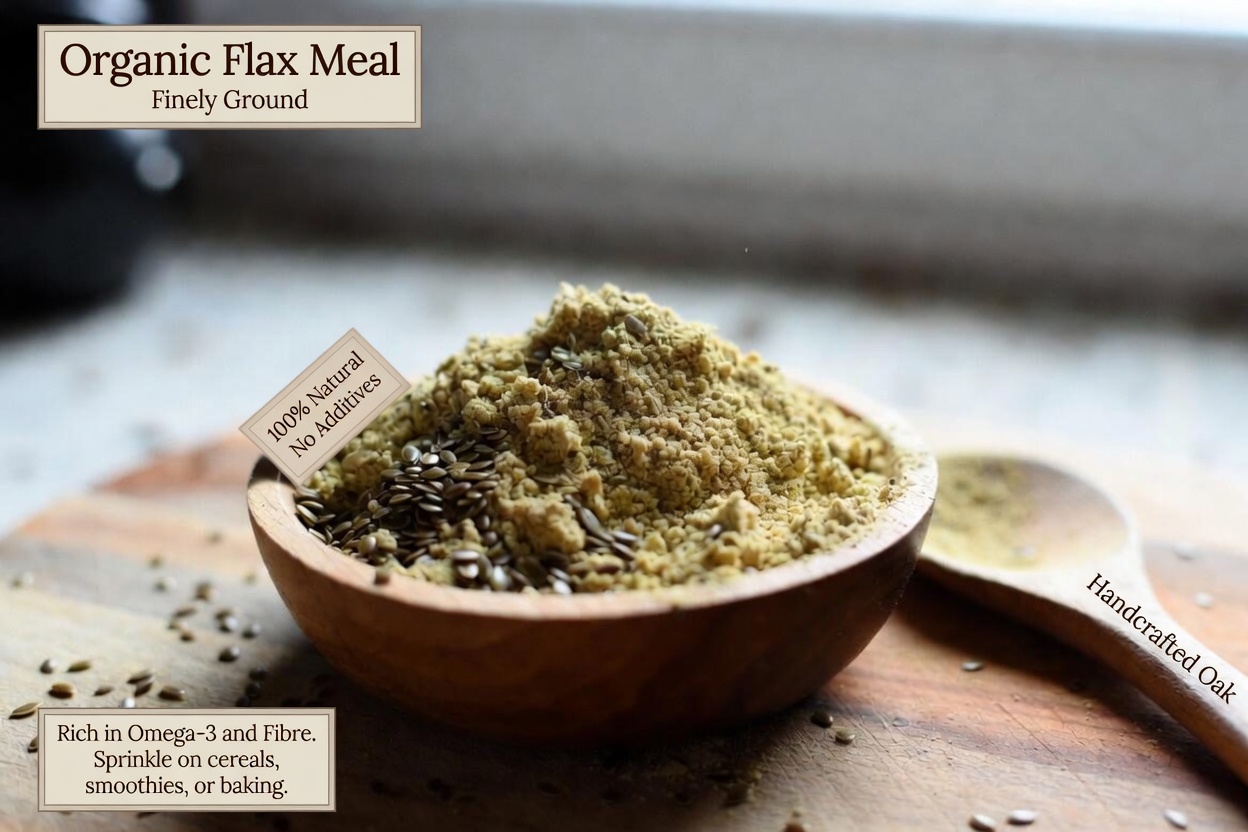
- Stir ground flax into oatmeal, overnight oats, cereal, or yogurt.
-
Use them in baking
- Add ground flaxseeds to muffins, breads, pancakes, or homemade snack bars.
- They can also replace eggs in some recipes by combining:
- 1 tablespoon ground flaxseed
- 3 tablespoons water
-
Sprinkle over meals
- Add a teaspoon on top of salads, soups, or roasted vegetables just before serving.
-
Make a simple flax drink
- Stir 1 teaspoon of ground flaxseeds into water or herbal tea and let it rest for a few minutes.
A good starting point is 1 tablespoon per day, then gradually increase to 2 tablespoons daily if your body handles it comfortably. Because flaxseeds are high in fiber, drinking enough water is important for digestion and may also help support overall hydration, including eye comfort.
Healthy Habits That Pair Well With Flaxseeds
Flaxseeds can be a useful addition, but they work best as part of a broader eye-care routine. Consider combining them with these daily habits:
-
Follow the 20-20-20 rule
- Every 20 minutes, look at something 20 feet away for 20 seconds
-
Stay well hydrated
- Try to drink enough water so your urine remains pale yellow
-
Eat more colorful produce
- Leafy greens and brightly colored vegetables provide lutein and zeaxanthin, nutrients that complement omega-3s
-
Wear sunglasses outdoors
- Good sun protection can help reduce irritation from harsh light exposure
Together, these habits create a more complete strategy for maintaining daily eye comfort.
What Current Research Suggests
A number of studies have investigated the relationship between omega-3 fatty acids and dry eye symptoms. Reviews of randomized clinical trials suggest that omega-3 supplementation, including plant-based sources such as flaxseed oil, may help some people experience less irritation and better tear stability.
That said, results are not identical for everyone. Individual response can depend on diet, lifestyle, environment, age, and the underlying cause of eye dryness. For that reason, flaxseeds should be seen as one helpful part of a larger wellness approach rather than a stand-alone cure.
In normal food amounts, flaxseeds are generally considered safe and well tolerated. They also offer a natural way to increase beneficial fats without depending entirely on fish or supplement capsules.
Frequently Asked Questions About Flaxseeds for Eye Health
How much flaxseed should I eat each day for eye support?
Many studies use amounts that provide about 1 to 3 grams of ALA, which is roughly equal to 1 to 2 tablespoons of ground flaxseeds daily. Start with a smaller amount and increase gradually.
Is it okay to eat whole flaxseeds?
Ground flaxseeds are the better choice. Whole seeds often pass through the digestive system without being fully broken down, which means you may absorb fewer nutrients.
Are there any side effects?
Because flaxseeds are high in fiber, increasing intake too quickly may lead to mild bloating or digestive discomfort. Introduce them slowly and drink extra water. Anyone taking blood thinners or managing hormone-sensitive conditions should speak with a healthcare professional first.
Is flaxseed oil equal to ground flaxseed?
Flaxseed oil supplies omega-3s, but ground flaxseeds provide additional benefits such as fiber and lignans. For everyday nutrition, ground flaxseeds are often the more complete option.
How soon might I notice improvements?
Some studies have reported benefits within a few weeks, while others observed changes after about 12 weeks of regular use. Consistency matters, and outcomes may depend on your overall habits and diet.
Final Thoughts on Natural Vision Support
Adding flaxseeds to your meals is a simple, affordable habit that can fit into almost any lifestyle. When combined with smart screen habits, proper hydration, and a balanced diet rich in vegetables and other whole foods, flaxseeds may help support eye comfort as you get older.
Small daily choices often have the greatest long-term impact. A consistent habit like this may help your eyes feel more comfortable, refreshed, and clear over time.