
Early Signs of Sepsis in Seniors: What to Watch for and When to Act
As people grow older, the body often becomes more susceptible to infections, and in some cases those infections can trigger a dangerous reaction known as sepsis. In many seniors, early health changes are mild and easy to dismiss, which may allow a serious problem to progress before anyone notices. That can lead to stress, interruptions in daily life, and avoidable complications. Understanding what to look for can make a meaningful difference. This guide explains how sepsis affects older adults, the warning signs to recognize, and simple ways to monitor your health more closely.
What Is Sepsis and Why Is It So Serious?
Sepsis is the body’s overwhelming response to an infection. Rather than staying localized, the immune reaction spreads through the body and can begin damaging tissues and organs. Sepsis itself is not an infection; it is a potentially life-threatening response that may develop from common illnesses such as pneumonia, urinary tract infections, or skin infections.
According to the Centers for Disease Control and Prevention (CDC), sepsis affects more than 1.7 million adults in the United States every year, and a large share of those cases occur in people over age 65.
For older adults, this matters even more because the immune system naturally becomes less effective with age. As a result, infections may be harder to fight and warning signs may be less obvious.

Why Older Adults Have a Higher Risk of Sepsis
Several age-related factors can increase the chance of sepsis in seniors.
- Chronic illnesses such as diabetes, heart disease, or kidney problems can make infections harder to control.
- Immune-suppressing medications, which are common in older adults, may reduce the body’s defense against bacteria and viruses.
- Reduced mobility can contribute to pressure sores, skin breakdown, and unnoticed infections.
- Hospitalization and medical procedures may also raise exposure to infection.
The Sepsis Alliance reports that sepsis-related hospital admissions are highest among adults aged 65 and older. Knowing these risk factors can help seniors and caregivers stay alert and respond sooner when symptoms appear.
5 Early Warning Signs of Sepsis in Seniors
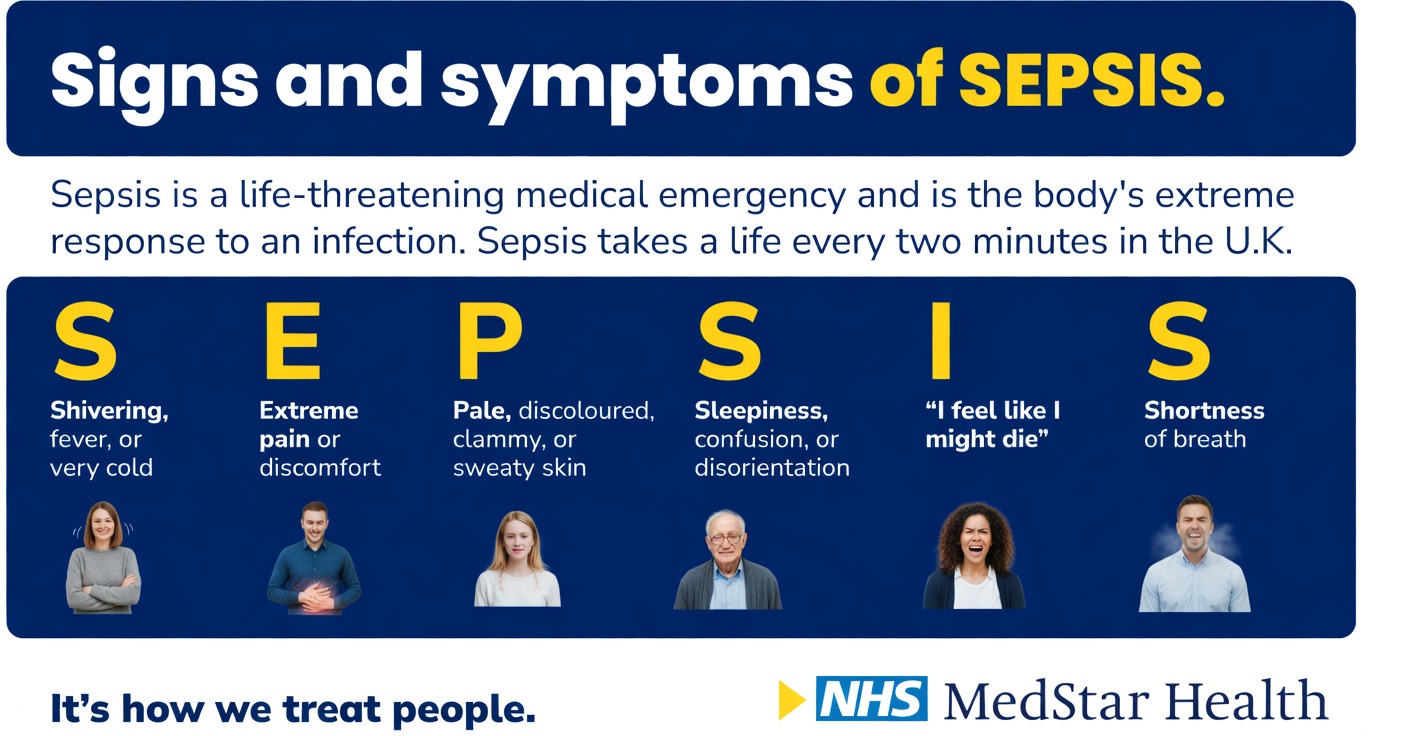
Recognizing sepsis early is critical. In older adults, symptoms may look subtle at first and can easily be mistaken for ordinary aging. Below are five important signs to watch.
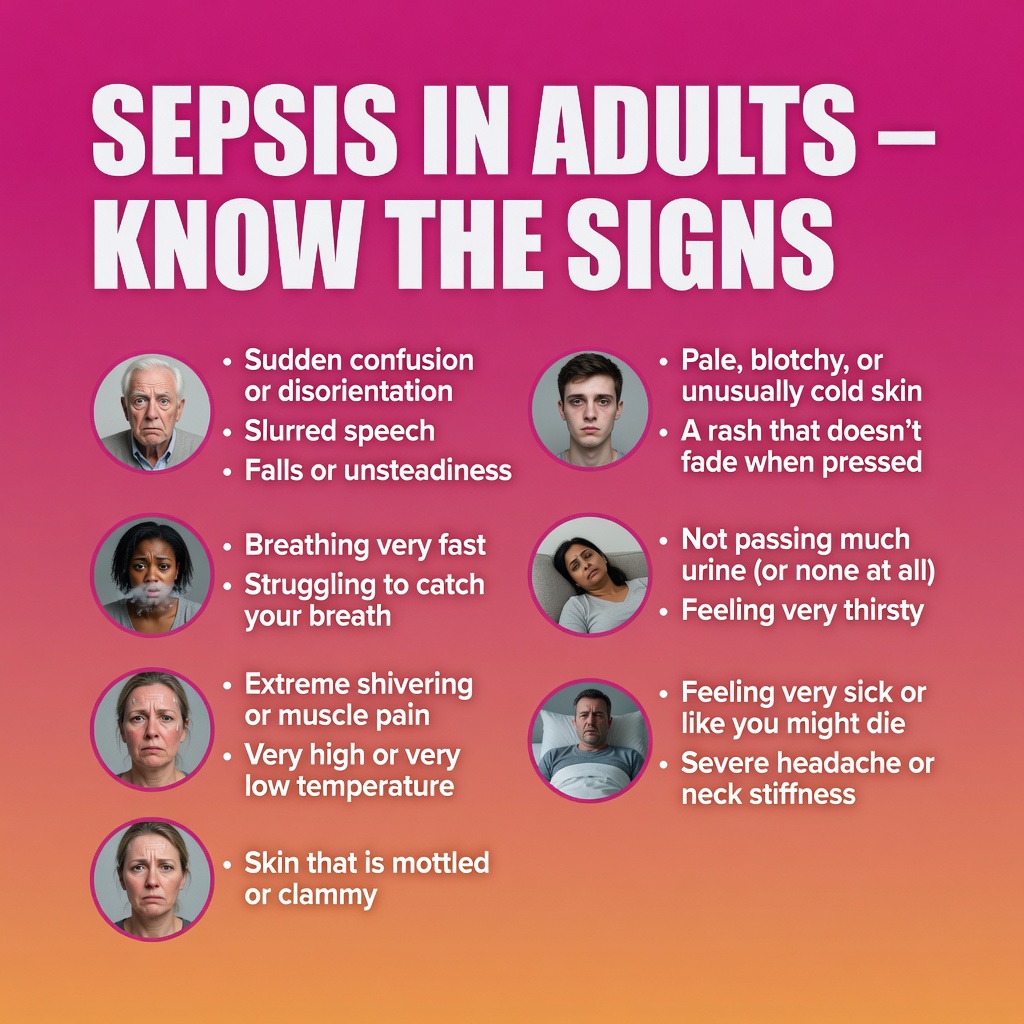
1. Sudden Confusion or Disorientation
A rapid change in mental clarity is one of the most important early signs of sepsis in seniors. This may include unusual forgetfulness, difficulty following familiar routines, or excessive sleepiness.
These changes should not automatically be dismissed as normal aging. Research shows that altered mental status is frequently seen early in sepsis among older adults.
Watch for signs such as:
- Trouble focusing during conversations
- Unusual irritability or mood changes
- Difficulty recognizing familiar people or places
- Sudden drowsiness or unusual withdrawal
If you notice a mental change, write down when it began and whether it worsens over time.
2. Fast Breathing or Shortness of Breath
Another common warning sign is a noticeable change in breathing. A senior may feel winded after little effort, or may seem to breathe faster even while resting.
This is different from mild fatigue linked to aging. Health professionals consider an increased breathing rate one of the key indicators used to detect possible sepsis.
A normal adult breathing rate is generally 12 to 20 breaths per minute. If breathing becomes fast, shallow, or labored without a clear reason, it deserves attention.
3. High or Low Body Temperature
Many people associate infection with fever, but in older adults the temperature response can be less predictable. Some seniors may develop a fever, while others may feel chilled or unusually cold even in a warm room.
Medical studies have found that temperature irregularities are common in sepsis, even when a classic high fever is not present.
To monitor this effectively:
- Check temperature regularly if an infection is suspected.
- Use the same thermometer for consistency.
- Record changes instead of relying on memory alone.
Patterns matter, especially when temperature changes occur along with confusion or breathing changes.
4. Increased Heart Rate
A rapid pulse can also signal that the body is under stress from infection. In sepsis, the heart may beat faster in an attempt to maintain circulation as inflammation spreads.
This may feel like:
- Heart pounding while at rest
- Palpitations
- A racing pulse without exercise or stress
The American Heart Association notes that an elevated heart rate can be linked to widespread inflammation. A simple way to check is to count your pulse for 15 seconds and multiply by four.
A fast heart rate by itself may not confirm sepsis, but when it appears with other warning signs, it becomes more concerning.
5. Skin Changes or Rash
Skin changes are often missed, yet they can be important. Sepsis may affect circulation, causing the skin to look mottled, discolored, clammy, or rash-like.
Pay close attention to:
- Unusual blotchy or marbled skin
- Cool, damp skin
- New rashes
- Discoloration in hands, feet, or legs
If you notice a skin change, take a photo and note the time. This can help track progression and provide useful information to a healthcare provider.
How to Monitor Sepsis Warning Signs at Home
You do not need advanced medical equipment to stay aware of your health. A simple daily routine can help identify changes before they become severe.
Start with basic self-monitoring:
- Keep a small notebook or digital log of symptoms
- Record temperature and pulse each day
- Notice changes in alertness, mood, and breathing
- Use basic home tools such as a digital thermometer or blood pressure monitor
A practical routine may look like this:
- Morning: Check temperature after waking.
- Breakfast: Notice any confusion, fatigue, or trouble concentrating.
- Midday: Observe breathing while sitting quietly.
- Evening: Review pulse and look for any skin changes.
Building this habit into everyday life can make warning signs easier to recognize.
What to Do If You Notice Possible Sepsis Symptoms
If several symptoms appear together, do not delay. Contact a healthcare provider as soon as possible and explain clearly what you have observed.
Be ready to share:
- Which symptoms are present
- When they started
- Whether they are getting worse
- Any recent infection, illness, or injury
- Current medications
Emergency care may be necessary if confusion becomes severe, breathing is difficult, or the person appears rapidly worse. Health authorities consistently emphasize that early action is one of the most important steps in reducing the risk of serious complications.
Sepsis Symptoms vs. Normal Aging: How to Tell the Difference
It can be difficult to know whether a change is part of aging or a sign of something more urgent. This comparison can help.
| Symptom | Possible Sepsis Sign | Common Age-Related Change |
|---|---|---|
| Confusion | Sudden, marked disorientation | Gradual forgetfulness |
| Breathing | Fast, difficult, or labored | Mild shortness of breath after inactivity |
| Temperature | Sharp rise or unusual drop | Slight changes due to room temperature |
| Heart Rate | Persistently elevated pulse | Occasional skipped beats from stress |
| Skin | Mottled, clammy, or rash-like | Dry skin from dehydration or aging |
This distinction is important because delayed recognition can lead to delayed treatment.

Everyday Habits That May Help Lower the Risk
While sepsis cannot always be prevented, certain healthy routines may reduce the chance of infections becoming serious.
- Stay hydrated by aiming for about 6 to 8 glasses of water a day, unless a doctor advises otherwise.
- Practice good hygiene, especially handwashing and wound care.
- Keep vaccinations up to date, including recommended pneumonia and flu shots.
- Manage chronic health conditions carefully.
- Attend regular medical check-ups to establish a clear baseline for your health.
One especially useful strategy is to involve someone else. Sharing your daily observations with a family member or trusted friend may help catch changes you overlook yourself.
Conclusion
The early signs of sepsis in seniors can include sudden confusion, rapid breathing, unusual temperature changes, a faster heart rate, and noticeable skin changes. Because these symptoms may seem minor at first, staying alert is essential. Simple daily monitoring can improve awareness and make it easier to seek medical help quickly when needed.
A helpful and often overlooked tip is to combine symptom tracking with a buddy system. When a family member or caregiver also watches for changes, there is a better chance of noticing problems early.
FAQ
What causes sepsis in older adults?
Sepsis usually begins with an infection, often in the lungs, urinary tract, or skin. Older adults are more vulnerable because immune function declines with age, and chronic illnesses can make infections harder to control.
How can seniors help prevent sepsis?
Prevention starts with good hygiene, staying current on vaccinations, managing ongoing medical conditions, and getting regular medical care. Early treatment of infections is also very important.
When should I see a doctor for possible sepsis symptoms?
If two or more warning signs appear together, persist, or worsen, contact a healthcare professional promptly. If breathing becomes difficult or confusion suddenly becomes severe, seek urgent medical attention right away.