Why Better Sleep Can Transform Your Energy, Mood, and Mental Clarity
Do you move through the day feeling hazy, short-tempered, and oddly tired even after spending enough hours in bed? Everyday responsibilities may seem harder than they should, concentration slips, and that heavy sense of mental overload refuses to go away. A lot of people live with these symptoms without realizing that one of the biggest influences on daily performance is a basic habit they repeat every night: sleep.
The encouraging part is that once you understand how sleep supports the body’s built-in recovery systems, improving your rest can have a meaningful impact. This article looks at what occurs while you sleep, why those nighttime processes matter so much, and what practical steps can help you rest more deeply. At the end, you may even see bedtime in a completely different way.
What Your Brain Does During Sleep
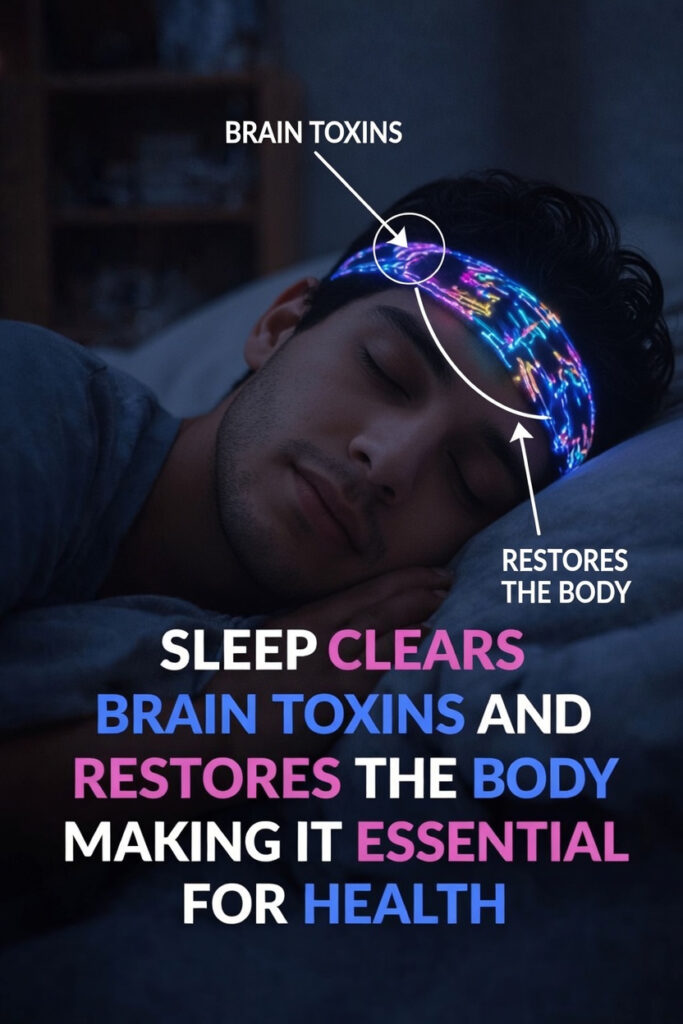
Even when your body appears still, your brain remains busy throughout the night. One of the most intriguing discoveries in sleep science involves the movement of fluid that helps deal with waste generated by daily brain activity. Researchers have identified a network often referred to as the glymphatic system, which seems to become more active during specific sleep phases, especially deep non-REM sleep.
This process relies on cerebrospinal fluid moving through spaces around brain cells and helping remove metabolic waste. Findings suggest that during deep sleep, brain cells may shrink slightly, creating extra room for this fluid to circulate more efficiently. In other words, the brain gets a better chance to carry out its regular maintenance work.
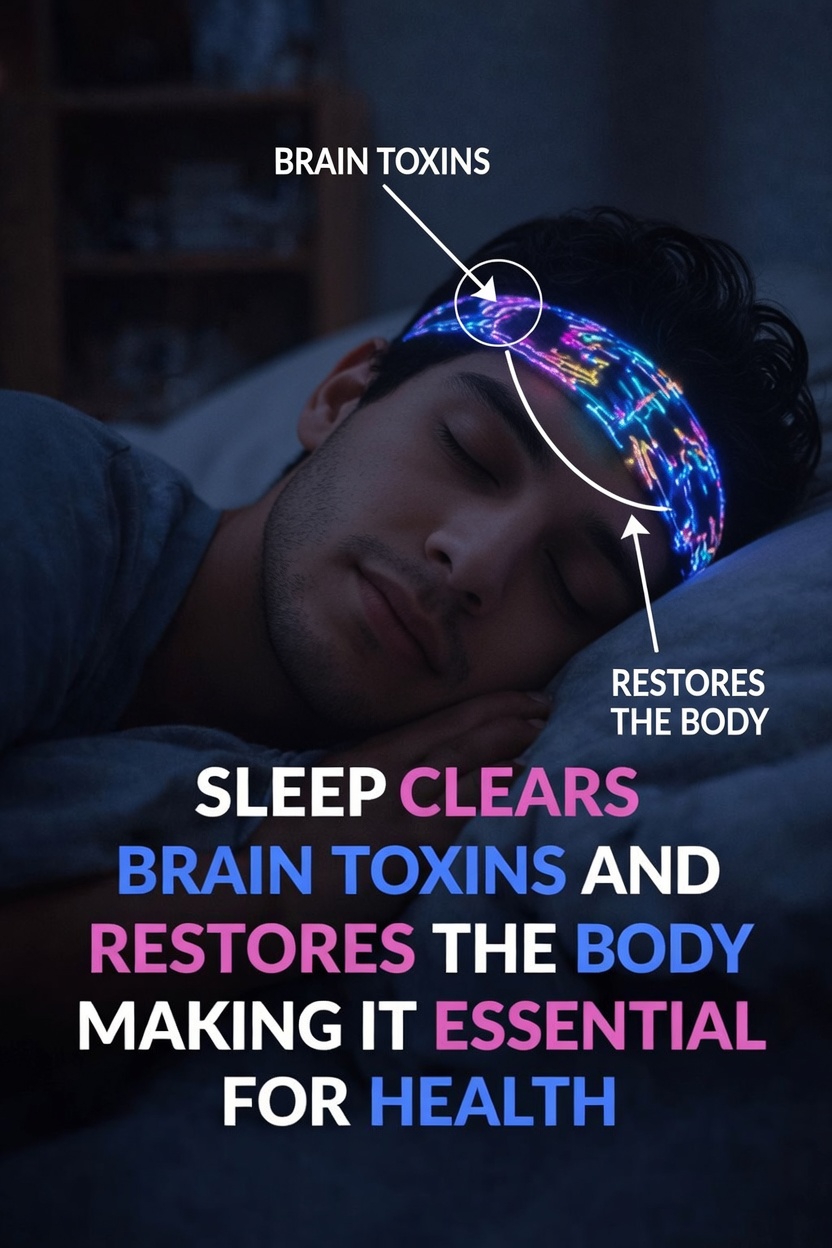
Sleep also contributes to much more than internal cleanup. It plays a central role in memory consolidation, helping the brain store and organize what you learned during the day. It also supports hormone balance, immune performance, and emotional regulation. When sleep is steady and restorative, you are more likely to wake up feeling focused, capable, and emotionally balanced.
How the Body Repairs Itself at Night
While the brain manages important maintenance tasks, the rest of the body uses sleep to repair and restore itself physically. Deeper sleep stages are especially important for tissue rebuilding, muscle recovery, and restoring energy reserves. During this time, heart rate and blood pressure often fall, giving the cardiovascular system a valuable period of rest.
Evidence suggests that adults who consistently get seven to nine hours of quality sleep often experience more stable moods, stronger concentration, and better physical recovery after workouts or everyday stress. In contrast, ongoing sleep loss or frequent disruptions can leave you exhausted, less resilient, and more vulnerable to daily pressures.
Here is a simple look at what often improves when sleep becomes more consistent:
- Energy: More stable throughout the day, with fewer afternoon crashes
- Mood: Calmer, more even, and less reactive
- Focus: Better attention, clearer thinking, and faster mental processing
- Recovery: Improved repair of muscles and tissues
- Immune support: Greater resistance to common illnesses
These benefits usually build gradually, but over time they can make life feel significantly easier and more manageable.
Why Deep Sleep Is Especially Important
Not every stage of sleep offers the same benefits. Deep slow-wave sleep is particularly valuable because it appears to create ideal conditions for fluid movement and restoration in the brain. During this phase, brain activity slows dramatically, and the body enters a low-activity state that supports recovery.
Studies suggest that the deeper your sleep, the better these housekeeping processes may function. Since deep sleep naturally declines with age, protecting sleep quality becomes increasingly important over time.

There is also an important detail worth noting: scientists are still refining their understanding of exactly how and when brain fluid movement works best. Earlier research strongly suggested that sleep is a key period for waste clearance, while some newer mouse studies indicate the mechanism may be more complex than first believed. Even so, the broader conclusion remains clear: sleep is essential for brain health and overall physical well-being in several interconnected ways.
Easy Ways to Improve Sleep Starting Tonight
You do not need a dramatic lifestyle overhaul to sleep better. In many cases, modest changes done consistently have the greatest effect. Here are some practical habits that can support more restful nights:
-
Keep a regular sleep schedule
Try to go to bed and wake up at about the same time every day, including weekends. This helps align your internal body clock. -
Build a calming pre-bed routine
Spend the final 30 to 60 minutes before bed doing relaxing activities such as reading, light stretching, or listening to gentle music. If possible, reduce screen time. -
Make your bedroom sleep-friendly
A cool, dark, and quiet room works best for many people. A temperature around 60–67°F (15–19°C) is often recommended. Blackout curtains, earplugs, or white noise can also help. -
Be mindful of food and drinks
Avoid caffeine late in the day, large meals right before bed, and alcohol, which can interfere with deeper sleep stages. -
Stay active during the day
Regular movement supports better nighttime sleep. Earlier exercise is often ideal, but even a simple daily walk can help. -
Avoid long naps
If you nap, aim for less than 30 minutes and try not to sleep too late in the afternoon.
Taken together, these habits can improve your chances of reaching the deeper sleep stages your brain and body depend on.
Foods and Daily Choices That May Support Restful Sleep
Some everyday nutrition and lifestyle habits can gently encourage better sleep quality. Foods high in magnesium—including leafy greens, nuts, and seeds—may help support relaxation. Cherries and kiwi have also been studied for their potential to mildly support healthy sleep timing.
Light exposure is another major factor. Morning sunlight helps regulate your circadian rhythm, while lowering light levels in the evening signals to the body that it is time to wind down.

Managing stress also matters. Practices like deep breathing, journaling, or other calming routines can quiet the racing thoughts that often keep people awake. Over time, these small actions can create a stronger foundation for more restorative sleep.
Common Questions About Sleep and Daily Health
How much sleep do most adults need?
Most healthy adults function best with seven to nine hours per night. Individual needs can vary somewhat, but this range generally supports the body’s natural restoration processes.
Can extra weekend sleep make up for poor sleep during the week?
Sleeping in on weekends may offer some short-term relief, but it does not fully erase the effects of chronic sleep loss. A consistent schedule tends to provide more reliable long-term benefits.
What should I do if I struggle to fall asleep or stay asleep?
Start with the basic sleep habits mentioned above. If sleep problems continue for several weeks, it may be helpful to speak with a healthcare professional to identify possible underlying causes.
Make Sleep a Non-Negotiable Part of Your Health Routine
Good sleep acts like a daily reset for both mind and body. By supporting brain fluid movement, memory, emotional balance, and physical repair, it helps you function at a higher level every day.
The most surprising takeaway? Many people find that once they protect their sleep schedule and improve sleep quality, other healthy behaviors—such as eating better or staying active—suddenly become easier. Sleep often serves as the quiet base that helps everything else work more smoothly.
Begin with one or two simple changes this week and pay attention to how you feel after several nights of consistency. Small improvements in sleep can set off a powerful chain reaction, boosting your energy, mood, and clarity over time.