
Coconut Oil for Joint Comfort: A Simple Pantry Staple Worth Considering
Many people find that everyday movements such as climbing stairs, standing up from a chair, or walking for longer periods become less comfortable with age. Knee stiffness and general joint discomfort can gradually affect mobility, independence, and enjoyment of daily life. If you have been searching for easy, natural ways to support your joints, you are certainly not alone. One ingredient already found in many kitchens may offer gentle support: coconut oil.
Why Joints Feel Different as You Age
As the body gets older, the cartilage that helps cushion the joints naturally begins to wear down. Over time, this may lead to stiffness, less flexibility, and occasional discomfort during movement. Researchers also point to inflammation and oxidative stress as important factors in age-related joint changes. Because of this, many adults prefer simple, sustainable habits that can fit into daily life instead of extreme lifestyle changes.
Virgin coconut oil has drawn interest because of its distinctive nutritional profile. It contains medium-chain fatty acids, especially lauric acid, along with small amounts of antioxidants and polyphenols. These natural compounds have been studied for their possible role in supporting comfort and helping the body manage inflammation.

What Makes Coconut Oil Unique?
Coconut oil stands out from many other cooking oils because it is naturally rich in lauric acid. This fatty acid is processed differently by the body compared with many long-chain fats. Some lab-based and animal research suggests that lauric acid may help lower certain markers associated with joint stress and tissue changes.
In one study, replacing other saturated fats with lauric acid was linked to fewer signs of cartilage-related changes in a high-fat diet model. Another small human trial looked at virgin coconut oil used alongside vitamin D and found better functional movement scores and less discomfort than using vitamin D by itself. While these early results are encouraging, scientists agree that larger and longer-term studies are still needed.
Processing also plays an important role. Virgin coconut oil is generally preferred because it retains more of the naturally occurring compounds that may contribute to its potential benefits.
How Coconut Oil May Support Joint Health
Researchers have explored several ways virgin coconut oil could help with joint comfort:
- May help manage inflammation: The polyphenols and medium-chain fats in virgin coconut oil have shown antioxidant and anti-inflammatory activity in laboratory settings.
- May support cartilage protection: Early findings suggest lauric acid could help protect joint tissue from certain diet-related stressors.
- Provides quick energy: Medium-chain triglycerides are metabolized differently from many other fats and may offer a faster energy source, which can support an active lifestyle.
These effects are not usually dramatic on their own. Coconut oil appears most useful when it is part of a bigger strategy that includes healthy eating, regular movement, hydration, and proper rest.
Easy Ways to Add Coconut Oil to Your Routine
Adding coconut oil to your meals is simple and does not require a major diet overhaul. Here are a few practical ideas:
- Start with 1 to 2 tablespoons per day and see how your body responds.
- Use it for light cooking or sautéing vegetables over medium heat.
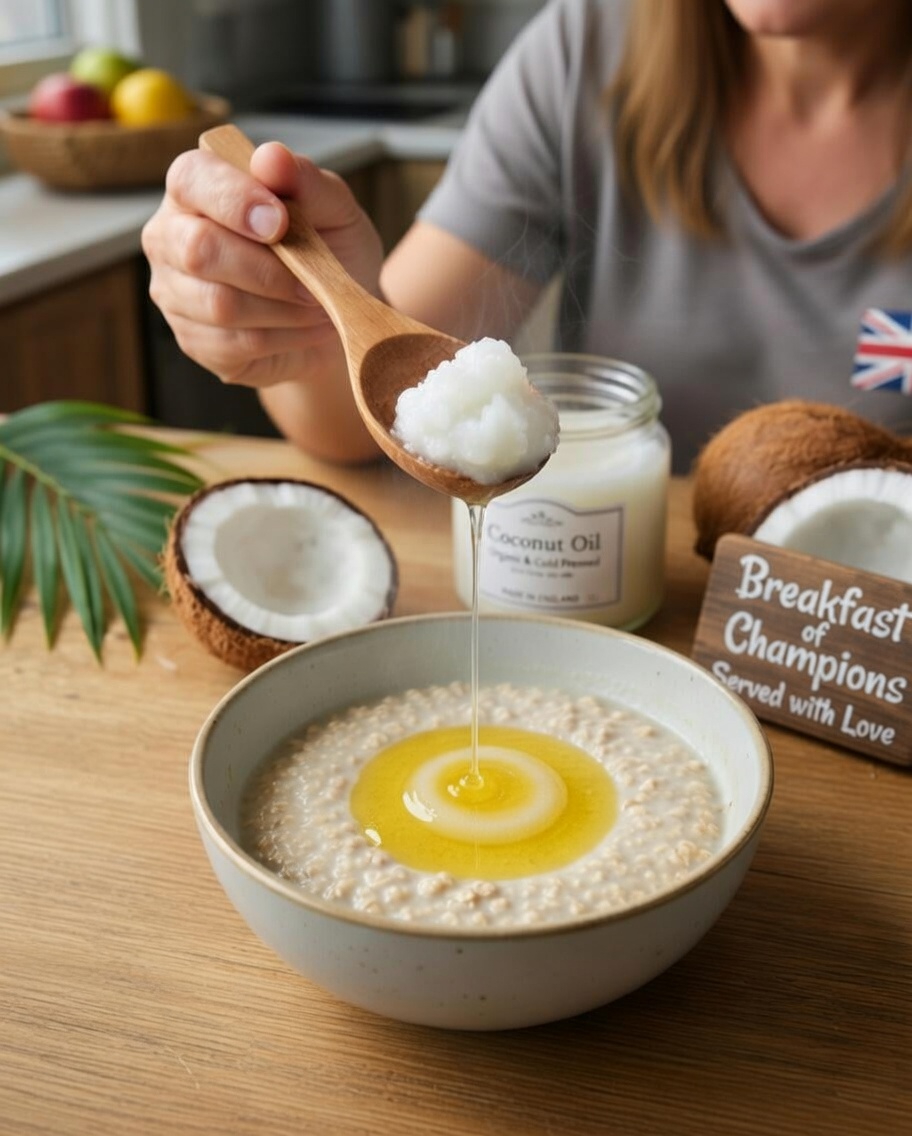
- Mix a spoonful into coffee, oatmeal, or smoothies for a richer texture.
- Use it in homemade salad dressings with lemon juice and herbs.
Everyday Habits That Can Improve Joint Support
Coconut oil may be helpful, but it works best when paired with other healthy routines. Small daily choices can make a real difference over time:
- Drink enough water throughout the day.
- Eat more colorful fruits and vegetables for antioxidant support.
- Maintain a healthy weight to reduce stress on the knees and other weight-bearing joints.
- Stay active with gentle options such as walking, swimming, or stretching.
When these habits are practiced consistently, they may improve comfort and make everyday movement feel easier.
What the Research Says
Scientific interest in virgin coconut oil and joint health is still growing. A 2019 study published in Functional Foods in Health and Disease examined the effects of vitamin D combined with virgin coconut oil in people with early knee osteoarthritis. Participants experienced improvements in pain levels, inflammation markers, and walking distance. The group using both vitamin D and virgin coconut oil showed stronger results than the group taking vitamin D alone.
Another study from Queensland University of Technology found that lauric acid from coconut sources appeared to have a protective effect in a diet-related model, unlike some other saturated fats.
Even so, these findings are still considered preliminary. Outcomes can vary depending on a person’s diet, physical activity, overall health, and existing medical conditions. Coconut oil should not be viewed as a replacement for professional medical care or prescribed treatments.
Coconut Oil Compared with Other Common Oils
Below is a simple comparison of coconut oil with several commonly used fats:
| Oil Type | Key Feature | Potential Joint Relevance |
|---|---|---|
| Virgin Coconut Oil | High in lauric acid and polyphenols | May support joint comfort through antioxidant effects |
| Olive Oil | Rich in oleic acid and polyphenols | Widely known for general anti-inflammatory benefits |
| Butter / Animal Fats | High in long-chain saturated fats | Linked in some models to greater cartilage stress |
| Vegetable Oils High in Omega-6 | High in polyunsaturated fats | May contribute to inflammation when consumed in excess |
This comparison helps explain why some people choose virgin coconut oil as part of a more thoughtful approach to dietary fats.
How to Choose a Good Coconut Oil
If you want to try coconut oil, look for these qualities:
- Organic
- Virgin
- Cold-pressed
- Packaged in a glass jar if possible
A quality product should have a natural coconut aroma and become solid in cooler room temperatures. Store it in a cool, dark location to help preserve freshness.
Some people also apply coconut oil topically by massaging a small amount onto stiff joints after a warm shower. However, most of the research on joint support has focused on eating it rather than applying it to the skin.

Lifestyle Practices That Work Well Alongside Coconut Oil
For better long-term joint support, consider combining coconut oil with broader healthy habits:
- Get enough sleep each night.
- Manage stress, since stress can influence inflammation in the body.
- Try low-impact exercise recommended by a physical therapist or healthcare provider.
- Build meals around nutrient-dense foods such as leafy greens, berries, and fatty fish when available.
Together, these habits create a more supportive environment for joint comfort and mobility.
What You Might Notice Over Time
Many people report subtle changes after using coconut oil consistently for several weeks as part of a balanced routine. Improvements, when they happen, may include easier movement, less morning stiffness, or greater comfort during routine tasks.
A good way to begin is to use a small amount daily and keep track of how you feel. You might write down things like:
- How stiff your joints feel in the morning
- How easily you move during the day
- Whether walking or standing feels more comfortable
These notes can help you see small changes that might otherwise go unnoticed.
Frequently Asked Questions
Can coconut oil really help with age-related joint stiffness?
Some early research suggests that virgin coconut oil may provide mild support due to its antioxidant compounds and fatty acid profile. However, results vary from person to person. It is most effective when combined with healthy lifestyle habits.
How much coconut oil should I use each day?
A common starting point is 1 to 2 tablespoons daily. The right amount depends on your calorie needs and how well your body tolerates it.
Is coconut oil safe for everyone?
In normal food amounts, coconut oil is generally considered safe for most people. However, anyone with high cholesterol, special dietary needs, or other health concerns should speak with a healthcare professional before making significant diet changes.
Final Thoughts
Coconut oil is a versatile kitchen ingredient that may offer gentle support for joint comfort and daily movement when used as part of a balanced lifestyle. Its medium-chain fats, including lauric acid, along with its natural antioxidant compounds, make it an interesting option for people looking for simple, natural ways to stay active as they age.
Small habits often add up. Adding coconut oil to meals, keeping your body moving, staying hydrated, and choosing nourishing foods can all contribute to better joint support over time. Pay attention to your body, stay consistent, and appreciate the small moments when movement feels a little easier.