Gentle Exfoliation with Baking Soda: What to Know Before You Try It
As the years go by, many people notice that fine lines seem more pronounced, skin tone looks patchier, and that once-smooth texture feels a little rough or lackluster. These shifts are completely normal and are influenced by sun exposure, lifestyle, environment, and genetics. Still, they can sometimes affect how confident we feel in our skin.
The encouraging part: you don’t need a complicated routine to support healthier-looking skin. Consistent, gentle habits—like light exfoliation and regular moisturizing—can help your complexion feel smoother and look more radiant over time.
This guide explores how baking soda (sodium bicarbonate), a staple in many kitchens, is sometimes used in DIY skincare as a mild physical exfoliant. We’ll walk through what research and dermatologists say about its potential benefits and risks, how to try a simple at-home mixture more safely, and which long-term habits tend to deliver better results than any single DIY trick.
Why Skin Texture and Tone Change Over Time
Your skin is constantly renewing itself. New cells form in the deeper layers and gradually move toward the surface, where older cells are naturally shed. As you age, this renewal cycle slows down. When dead skin cells linger on the surface, skin can appear dull, feel rough, and reflect light less evenly.
Other key contributors include:
- Sun exposure: UV rays can accelerate the appearance of fine lines and sunspots, and lead to areas of darker pigmentation.
- Environmental stressors: Pollution, smoke, and harsh weather can weaken the skin barrier and affect tone and texture.
- Internal factors: Hormones, genetics, and overall health influence how quickly your skin regenerates and how it ages.
Gentle exfoliation can help by lifting away excess dead skin cells from the surface, allowing fresher, smoother skin to come through. However, anything that disrupts the skin’s natural barrier or pH balance too aggressively can do more harm than good.
The Role of Skin pH
A healthy skin barrier typically sits in a slightly acidic range, roughly pH 4.5–5.5. This “acid mantle” helps:
- Retain moisture
- Support beneficial microorganisms
- Protect against irritation and environmental damage
Baking soda, by contrast, is alkaline, usually around pH 8–9. Dermatology sources and barrier-function studies point out that using alkaline substances too often can temporarily disturb this natural balance, potentially leading to:
- Dryness
- Redness
- Increased sensitivity
When applied carefully—diluted, infrequently, and in small amounts—some people feel baking soda offers a gentle “polishing” effect. The key is moderation and patch testing, rather than daily or heavy use.
What Baking Soda May Do for Your Skin
In skincare, baking soda functions mainly as a physical exfoliant. Its fine, slightly gritty particles help mechanically remove dead skin cells from the surface when lightly massaged onto the skin.
People who use baking soda for skin care often describe a few short-term benefits:
-
Soft surface smoothing:
Skin may feel a bit smoother immediately after use, as the outer layer of buildup is lifted away. -
Oil reduction:
Baking soda can absorb some excess oil, which may appeal to those with oilier complexions. -
Subtle brightening:
By clearing surface debris, the skin can reflect light more evenly, which might make tone look more uniform on a superficial level.
However, it’s important to keep expectations realistic. There is limited clinical research supporting baking soda as a skincare active, and dermatologists emphasize that:
- It does not stimulate collagen the way retinoids can.
- It does not treat deeper pigmentation like targeted ingredients such as vitamin C or niacinamide.
- Its role is best thought of as an occasional, supportive exfoliating step, not a hero ingredient.
Potential Risks to Be Aware Of
Because of its alkalinity and physical texture, baking soda can cause problems if used incorrectly:
-
Overuse or applying it directly to the skin without dilution can:
- Raise the skin’s pH too much
- Strip away protective natural oils
- Trigger redness, flaking, or burning sensations
-
Dry, sensitive, or compromised skin types are especially prone to irritation.
For this reason, patch testing on a small area (such as the inner forearm) at least 24 hours in advance is crucial before trying it on your face.
A Gentle DIY Baking Soda Mixture to Try
If you’re still curious about using baking soda for skin at home, this recipe takes a more cautious approach. It combines baking soda with moisturizing and soothing ingredients to help counteract dryness and reduce the risk of irritation.
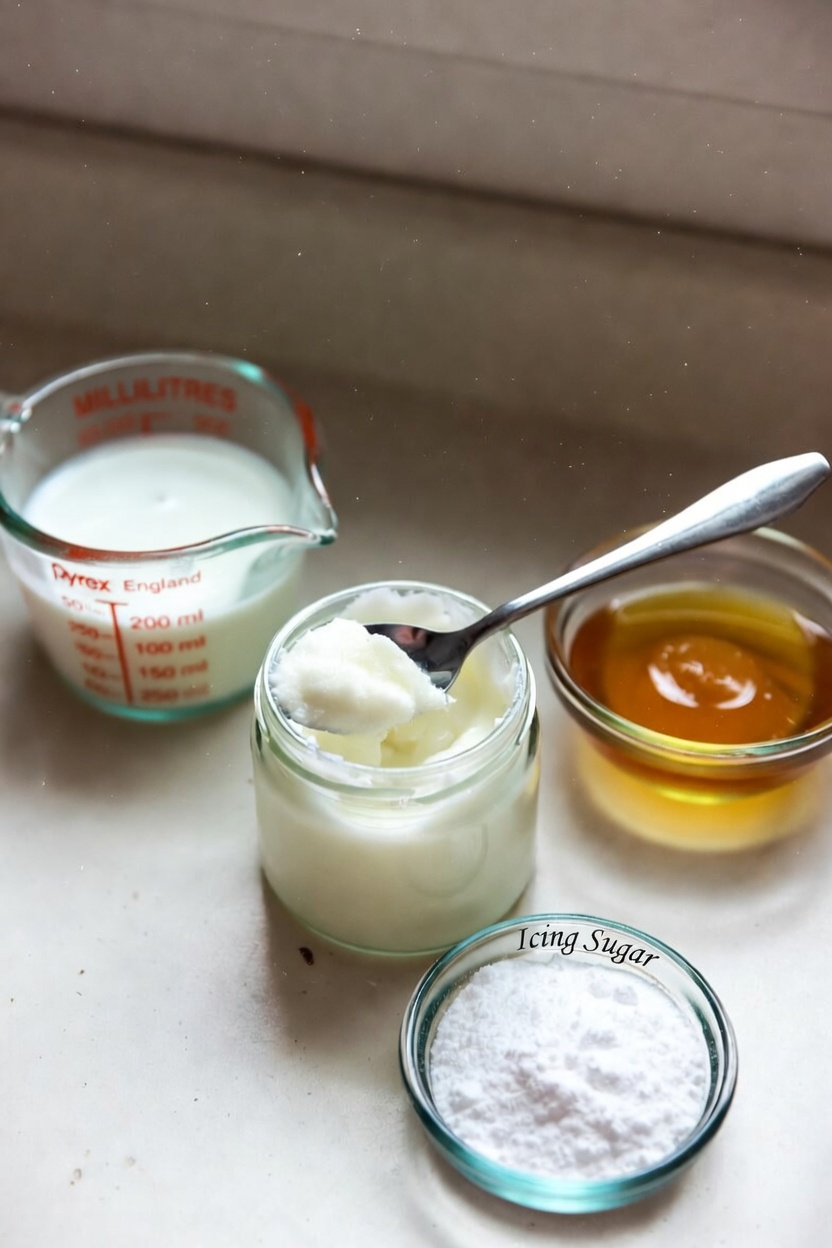
Ingredients (small batch)
- 1–2 teaspoons baking soda (use 1 teaspoon if you have sensitive or reactive skin)
- 1 tablespoon coconut oil or another mild, skin-friendly oil (such as olive oil) for moisture
- 1 teaspoon raw honey for soothing, humectant benefits
- Optional: 1–2 drops of a skin-safe essential oil like lavender, properly diluted
How to Prepare and Use It
-
Mix the base:
In a clean bowl, combine the baking soda and coconut (or chosen) oil. Stir until you get a smooth, soft paste. -
Add honey:
Blend in the raw honey to create a creamier, more spreadable texture. -
Optional essential oil:
If you’re using a gentle essential oil, add 1–2 drops and mix thoroughly. Skip this step if your skin is easily irritated. -
Cleanse first:
Wash your face with a mild, non-stripping cleanser and rinse with lukewarm water. -
Apply to damp skin:
On slightly damp skin, apply a thin layer of the mixture to areas where texture feels rough or uneven. Avoid the eye area completely. -
Massage lightly:
Using your fingertips, massage in soft, circular motions for about 30–60 seconds. Keep pressure very light to avoid microtears. -
Rinse well:
Rinse thoroughly with lukewarm water until there is no residue left. Gently pat your skin dry with a soft towel. -
Moisturize:
Immediately follow with your regular moisturizer to help lock in hydration and support the skin barrier. -
Frequency:
Limit use to 1–2 times per week maximum. If you notice any burning, tightness, or increased redness, stop using it and switch to gentler care.
Many people notice that their skin feels freshly polished after this kind of treatment, but responses vary widely. Your skin’s tolerance is the deciding factor.
Better Long-Term Habits for Smoother, More Even Skin
While DIY exfoliants like baking soda can offer occasional, surface-level smoothing, long-term skin improvements usually come from consistent, evidence-based habits.
Dermatologists often emphasize the following:
-
Daily sun protection:
Use a broad-spectrum sunscreen of SPF 30 or higher every day, even when it’s cloudy. This helps prevent new dark spots, fine lines, and loss of elasticity. -
Regular moisturizing:
Choose formulas with barrier-supporting ingredients like hyaluronic acid, ceramides, glycerin, or squalane. Well-hydrated skin feels smoother and looks plumper. -
Gentle, proven exfoliants:
Consider mild chemical exfoliants—such as low-strength lactic acid or mandelic acid—or well-formulated physical scrubs designed for facial skin. These are often gentler and more predictable than DIY options when used properly. -
Healthy daily habits:
Adequate sleep, stress management, and drinking enough water support the body’s natural repair processes and overall skin health. -
Targeted active ingredients:
- Niacinamide to help with tone and redness
- Vitamin C for brightening and antioxidant protection
- Peptides or retinoids for firmness and fine lines (with professional guidance)
Consulting a dermatologist or skincare professional can help you build a routine tailored to your specific skin type and concerns.
FAQ
Is baking soda safe for all skin types?
No. Baking soda is more likely to be tolerated by normal to oily skin, and even then, only when used sparingly and in diluted form. Dry, sensitive, or compromised skin types have a higher risk of irritation, redness, and barrier disruption. Always patch test before applying it to your face.
How often can I use a baking soda mixture on my skin?
Use a baking soda exfoliant no more than 1–2 times per week. Daily or frequent use can disturb your skin’s natural pH and barrier, increasing dryness and sensitivity over time.
Can baking soda replace professional skincare treatments?
It cannot. Baking soda is best viewed as an occasional, budget-friendly exfoliating option, not a replacement for professional care. If you have ongoing concerns like pronounced dark spots, deeper wrinkles, or persistent sensitivity, seek personalized advice from a dermatologist.
Final Thoughts
Baking soda can offer a simple, low-cost way to add mild exfoliation into your routine when used thoughtfully and infrequently. By keeping applications gentle, diluting it with moisturizing ingredients, and listening closely to your skin’s response, you can reduce the risk of irritation.
For lasting improvements in texture and tone, pair any DIY experiments with solid fundamentals: daily sun protection, consistent hydration, and well-researched active ingredients. Over time, these habits tend to deliver more reliable, visible benefits than any single at-home shortcut.