
High Creatinine Levels: Fruits to Limit and Better Choices for Kidney Support
Finding out that your creatinine level is higher than normal after a blood test can feel unsettling. In many cases, it suggests that your kidneys may be working harder than usual to remove waste from the body. That often leads people to look more closely at daily habits, especially diet, for ways to better support kidney function.
One practical place to start is fruit intake. While fruit is generally considered healthy, certain types may place extra demands on the body when kidney function is reduced. Choosing fruits more carefully can be a useful step in managing elevated creatinine.
Not every fruit affects the body the same way. Some contain more potassium, a mineral that may need closer monitoring when the kidneys are not filtering efficiently. Knowing which fruits to limit and which ones are more kidney-friendly can make your diet easier to manage.
What High Creatinine Means and Why Food Choices Matter
Creatinine is a waste product produced by normal muscle activity. Healthy kidneys usually filter it out and remove it through urine. When creatinine levels rise, it may indicate that kidney function is not as strong as it should be. Dehydration, medications, and certain medical conditions can also influence those levels.
The encouraging part is that everyday lifestyle decisions can still help. Nutrition, in particular, plays an important role. Kidney health organizations such as the National Kidney Foundation often highlight the importance of monitoring nutrients like potassium when kidney function changes.
That said, there is no single diet that fits everyone with high creatinine. The right approach depends on your lab results, medical history, and overall condition. It is always best to review any major diet changes with your doctor or a registered dietitian.

Why Certain Fruits Deserve Extra Attention
Fruits provide fiber, vitamins, antioxidants, and natural sweetness, making them valuable in many diets. However, when creatinine is elevated, potassium becomes a key concern. If kidney function is reduced, the body may have more difficulty removing excess potassium, which is why high-potassium foods sometimes need to be limited.
This does not mean fruit must be eliminated. It simply means making more informed choices. With the right substitutions, you can still enjoy fruit regularly while reducing unnecessary strain on the kidneys.
6 Fruits You May Need to Limit When Creatinine Is High
If your healthcare provider has advised you to watch your potassium intake, these fruits may need smaller portions or less frequent use:
-
Durian
- Durian is well known for its rich taste and high potassium content.
- In people with reduced kidney function, larger amounts may contribute to potassium-related concerns.
-
Bananas
- A medium banana contains more than 400 mg of potassium.
- Because of that, bananas are often better enjoyed in moderation if potassium control is necessary.
-
Oranges and orange juice
- Oranges are nutritious, but they can add up quickly in potassium.
- Orange juice may be even easier to overconsume, so portion control matters.
-
Avocados
- Avocados are packed with nutrients, but they are also high in potassium.
- Eating a whole avocado can provide a significant amount.
-
Mangoes
- Mangoes are sweet, refreshing, and popular, yet they contain more potassium than many lower-potassium fruit options.
-
Dried fruits such as raisins, prunes, and apricots
- Drying fruit concentrates its nutrients.
- Even a small handful of dried fruit can contain much more potassium than the fresh version.
Even so, limiting these fruits does not mean your options become boring. Many other fruits can still fit well into a kidney-conscious eating plan.
3 Kidney-Friendly Fruits to Choose Instead
Lower-potassium fruits can still bring flavor, texture, and nutrition to your meals. These three are often considered better choices for people who need to be more mindful of potassium:
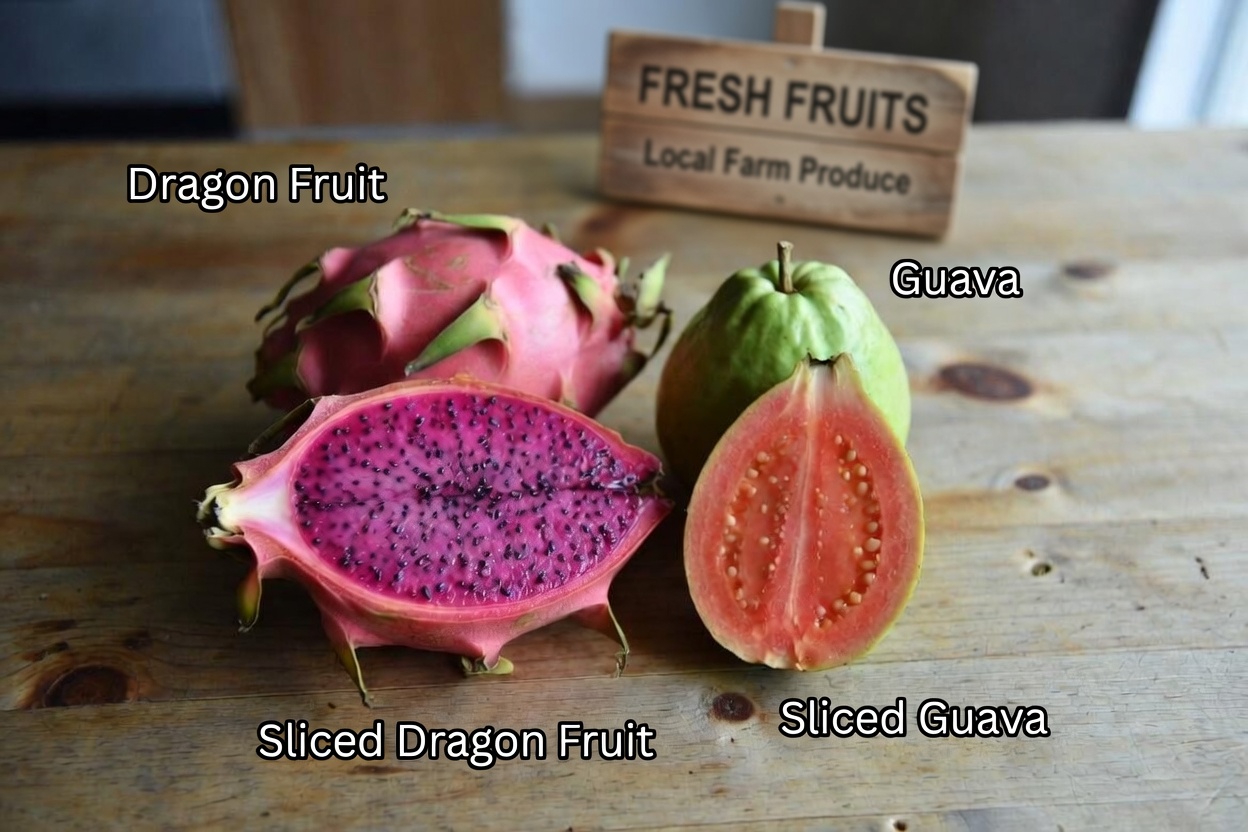
1. Dragon Fruit
Also known as pitaya, dragon fruit is typically lower in potassium than many tropical fruits. It offers fiber, antioxidants, and a light sweetness that works well on its own or in smoothies.
2. Guava
Guava is rich in vitamin C and fiber, making it a flavorful addition to a balanced diet. When eaten in sensible portions, it can be a helpful option for people managing creatinine and potassium concerns.
3. Pineapple
Pineapple is a juicy fruit that is generally lower in potassium than fruits like bananas or oranges. It also contains natural enzymes that may support digestion. Fresh pineapple pieces can be a satisfying snack or side dish.

Other fruits such as apples, berries, and grapes may also be good lower-potassium choices, depending on your individual nutrition plan.
Simple Tips to Put Into Practice Today
Making fruit choices that support kidney health does not have to be complicated. These steps can help you build a routine that is both realistic and sustainable:
- Review your most recent lab results with your doctor to see whether potassium restriction is necessary.
- Keep portions moderate, such as about half a cup of fresh fruit at a time.
- Choose fresh or frozen fruit without added sugar whenever possible.
- Be cautious with canned fruit, fruit juice, and dried fruit, which can be easier to overconsume.
- Combine fruit with balanced foods such as eggs, rice, or low-potassium vegetables.
- Track your meals for a few days to notice which foods help you feel your best.
- Continue following hydration and wellness advice from your healthcare team.
Small changes made consistently often have the biggest long-term impact.
Other Habits That Help Support Kidney Health
Fruit selection is only one part of the bigger picture. Kidney wellness also benefits from other healthy habits, including:
- Staying physically active at a level that suits your condition
- Managing blood pressure carefully
- Limiting excess sodium
- Reducing processed food intake
- Following medical advice for underlying conditions
Many people feel better overall when these habits are combined with a more thoughtful diet. Research continues to support the value of a balanced eating pattern that includes appropriate fruits and vegetables for long-term health.
Because kidney needs can change over time, regular follow-up with your healthcare provider remains important.
Frequently Asked Questions
Can I still eat fruit every day if my creatinine is high?
Yes, most people with elevated creatinine can still include fruit in their daily diet. The key is choosing lower-potassium options and keeping portions appropriate for your specific lab values and medical advice.
How much fruit is usually appropriate?
The right amount varies from person to person. A registered dietitian can provide guidance based on your health status. For many people, one to two servings of kidney-friendly fruit per day may be a reasonable starting point, but personal needs differ.
Are there fruits that offer benefits beyond potassium management?
Yes. Fruits such as pineapple and berries can provide fiber, hydration, and antioxidants. While they are not a substitute for medical treatment, they can support a balanced routine and make healthy eating more enjoyable.
Final Thoughts
High creatinine levels are often a sign to become more intentional about food choices. By cutting back on higher-potassium fruits like durian, bananas, oranges, mangoes, avocados, and dried fruit, and choosing options such as dragon fruit, guava, and pineapple instead, you can continue enjoying fruit while supporting your kidney health.
Consistent, manageable adjustments often do more than extreme changes. With the right guidance and smarter everyday choices, it is possible to eat well and feel more confident about your routine.