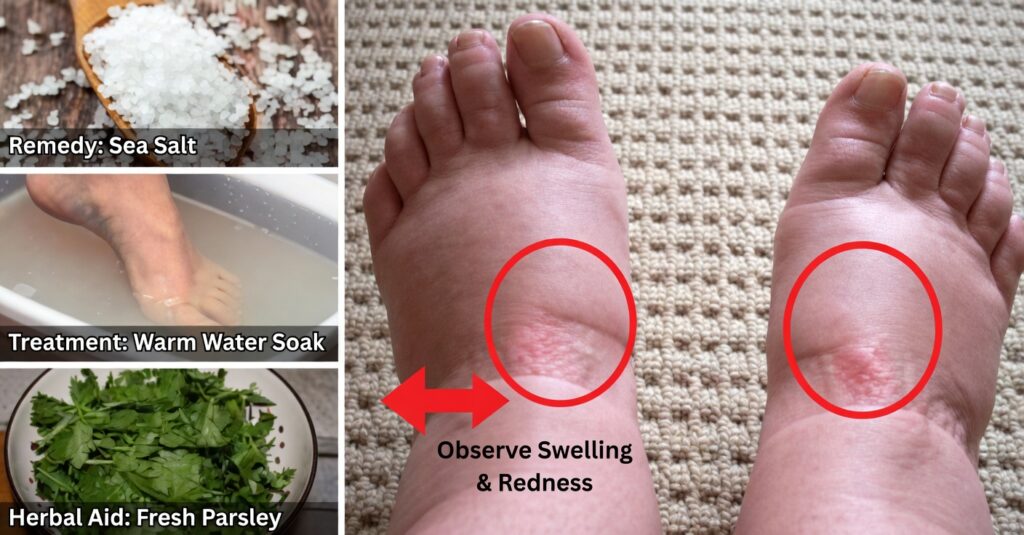
Herbs for Swollen Feet: Natural Recipe and Practical Tips
Swollen feet are a frequent complaint, especially if you spend long hours standing, struggle with fluid retention, or have poor blood circulation. This problem can cause discomfort, heaviness, and sometimes pain. The good news is that there are powerful herbs for swollen feet that not only help reduce inflammation, but also support circulation and overall comfort.
Below you’ll find a curated list of the most effective herbs for swollen feet and tired legs, a simple homemade foot soak recipe, and everyday habits that can help prevent and relieve swelling.
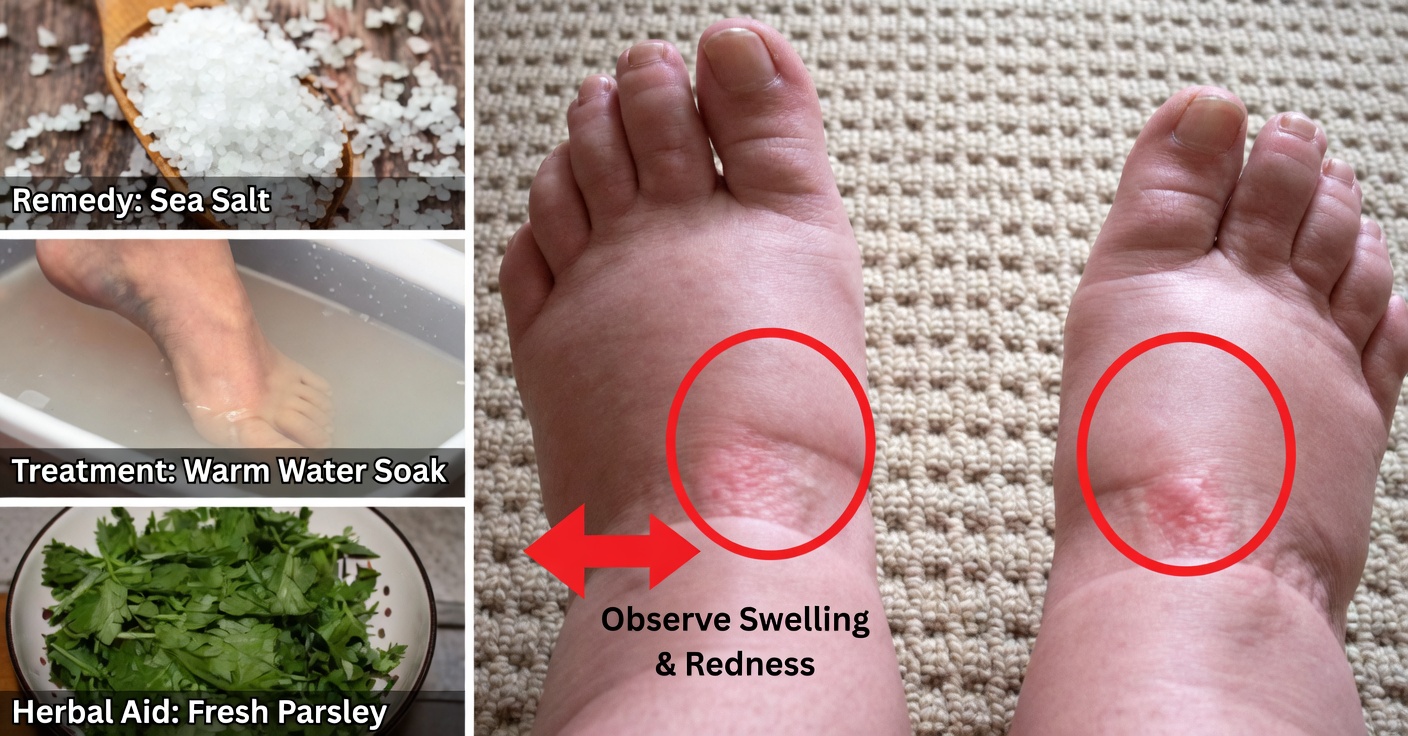
Powerful Herbs for Swollen Feet and Poor Circulation
Herbal medicine (phytotherapy) can be highly effective for mild issues such as puffy, tired feet. These are some of the best herbs known to support circulation and reduce swelling:
1. Butcher’s Broom (Ruscus aculeatus)
Butcher’s broom is valued for its vasoconstrictive properties. It helps strengthen the walls of blood vessels, which in turn improves circulation in the legs and feet. It can also help decrease fluid buildup in the tissues, making it especially useful for swollen ankles and feet.
2. Ginkgo Biloba
Ginkgo biloba acts as a vasodilator, promoting better blood flow to the extremities. It is frequently used to support venous insufficiency and enhance oxygen delivery to the cells, which can help reduce inflammation and the sensation of heaviness in the legs.
3. Witch Hazel (Hamamelis virginiana)
Rich in tannins, witch hazel helps tighten blood vessels, easing the feeling of heaviness and supporting healthier circulation. It also offers a cooling, soothing effect on tired, swollen feet, making it ideal for topical use in soaks or compresses.
4. Calendula (Calendula officinalis)
Calendula is a well-known medicinal plant with anti-inflammatory, soothing, and skin-healing properties. Besides easing swelling, it encourages blood flow at the skin level and helps improve the appearance and comfort of the feet.
5. Red Vine Leaves (Vitis vinifera)
Red vine leaves are packed with antioxidants and flavonoids that reinforce capillary walls, support venous return, and help reduce inflammation. They are widely used in preparations for heavy, tired legs and swollen ankles.
Natural Recipe: Herbal Infusion Foot Bath for Swollen Feet
One of the most effective ways to use herbs for swollen feet is through a warm herbal foot bath. The following recipe combines several anti-inflammatory and circulation-boosting plants into a simple, relaxing treatment.
Ingredients
- 1 teaspoon butcher’s broom (ruscus)
- 1 teaspoon ginkgo biloba
- 1 teaspoon witch hazel
- 1 teaspoon calendula
- 1 teaspoon red vine leaves
- 4 cups of water
Instructions
- Bring the 4 cups of water to a boil in a pot.
- Add all the dried herbs to the boiling water.
- Lower the heat and let the mixture simmer gently for 10–15 minutes.
- Turn off the heat and allow the infusion to cool down to a comfortable, lukewarm temperature.
- Strain the liquid to remove the herb residues.
- Pour the herbal infusion into a basin or container large enough to immerse your feet.
- Soak your feet for about 20 minutes, preferably in the evening or after a long day on your feet.
This herbal foot bath not only helps reduce swelling, but also relaxes tired muscles and leaves the skin of your feet feeling toned and refreshed.
Natural Tips to Relieve Swollen Feet
Along with using herbs for swollen feet, adopting a few healthy daily habits can enhance their effects and help prevent recurring swelling.
1. Elevate Your Feet
Whenever you rest, try to keep your feet raised above the level of your heart. This position encourages fluid drainage and improves venous return, helping to reduce puffiness in the feet and ankles.
2. Massage with Gentle Circular Motions
A light massage can stimulate circulation and relieve pressure. Use a plant-based oil (such as almond or coconut oil) or a cream containing herbal extracts, and massage your feet and ankles in circular, upward motions towards the heart.
3. Practice Simple Mobility Exercises
Move your feet regularly throughout the day to prevent fluid from accumulating:
- Flex and extend your toes.
- Rotate your ankles in circles.
- Stand up and walk for a few minutes every hour if you sit for long periods.
These small movements encourage better blood flow and help reduce stiffness and swelling.
4. Avoid Standing for Long Periods
If your job involves standing for many hours, take frequent breaks to sit or elevate your legs. Compression stockings can also be helpful to support circulation and reduce the risk of swollen legs and feet.
5. Stay Hydrated and Cut Back on Sodium
Drinking enough water supports the elimination of toxins and reduces fluid retention. At the same time, limit your intake of salt and highly processed foods, as they can promote swelling and bloating.
When Should You See a Doctor?
While natural remedies and lifestyle changes can be very helpful, persistent or severe swelling should never be ignored. Seek medical attention if:
- Swelling does not improve despite home care.
- You experience pain, redness, warmth, or tenderness in the affected area.
- You develop fever or feel unwell at the same time.
These signs may indicate more serious conditions, such as deep vein thrombosis, infections, or kidney problems, and require professional evaluation.
Conclusion
Using herbs for swollen feet is a gentle, natural way to support circulation, ease inflammation, and restore comfort after a long day. When combined with simple daily habits—like elevating your legs, staying active, hydrating well, and reducing salt—these remedies can help you regain lightness and well-being in your feet.
Incorporate this herbal foot bath and these practical tips into your weekly routine, and you may start noticing relief within the first few days. Nature offers powerful tools for healing, and with a little consistency and self-care, you can support your body in a safe and mindful way.