5 Reasons You Shouldn’t Leave a Ladle in the Pot While Cooking
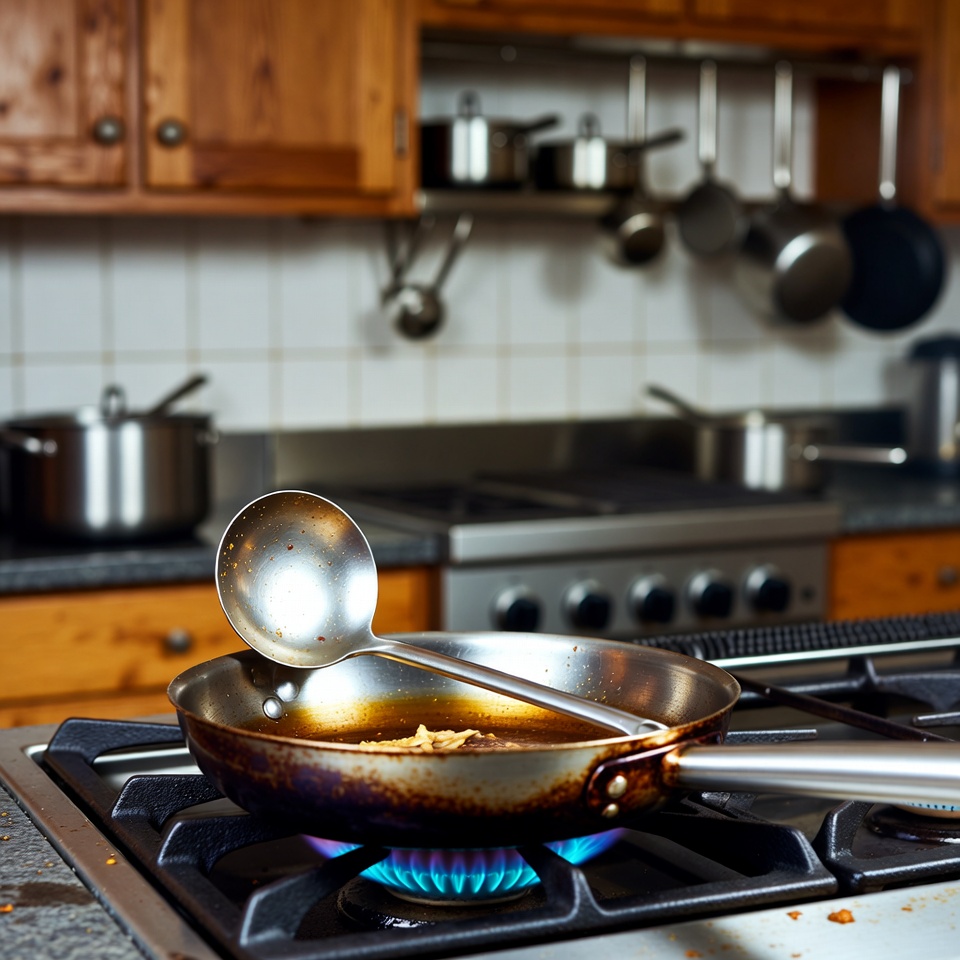
When simmering a stew or slow-cooked dish, it can feel convenient to leave the ladle resting in the pot so it’s always within reach. Yet this seemingly harmless habit can affect the quality of your meal and even pose safety risks. Before you do it again, consider these five important reasons to keep that ladle out of the pot.
1. Increased Risk of Cross-Contamination
Using the same ladle to stir, serve, and taste your food can easily spread bacteria.
- If you’re cooking dishes with raw meat, poultry, seafood, or eggs, harmful microbes can transfer from the food to the ladle and back again.
- Each time the ladle goes in and out of the pot, it may introduce new contaminants, especially if it comes in contact with your mouth, a cutting board, or another surface.
Even though heat helps kill many germs, it is not always enough—particularly if the ladle is repeatedly exposed to different surfaces during cooking. This makes consistent ladle hygiene essential for food safety.
2. Unwanted Changes in Flavor
Leaving a ladle inside the pot can subtly affect the taste of your dish.
- Some materials, like certain plastics or low-quality metals, can retain strong odors and flavors from previous meals and slowly release them into your current dish.
- Prolonged exposure to high heat can cause parts of the ladle, especially plastic or wooden ones, to scorch or slightly burn at the edges.
These issues can introduce a bitter or off taste, dulling the fresh flavors you’ve worked hard to build.
3. Higher Risk of Spills and Burns
A ladle resting in a pot is unstable and can tip or fall without warning.
- If it slips into the pot, it may cause hot liquid, oil, or sauce to splash out, potentially burning your hands, arms, or face.
- A sudden splash can also damage cooktops, nearby utensils, or even surrounding surfaces like walls and counters.
Additionally, grabbing a ladle that has been sitting in a hot pot handle-up can be risky. Its handle or bowl may be extremely hot, increasing the chance of painful burns when you reach for it absentmindedly.
4. More Mess and Tougher Cleanup
Leaving a ladle in a Dutch oven or saucepan almost always leads to extra mess.
- As sauces bubble or soups simmer, the ladle can act like a ramp, channeling splatters onto your stovetop and countertop.
- If the ladle overheats, food can bake onto its surface, making it harder to clean and sometimes leaving stubborn, burnt-on residue.
By removing the ladle after each stir or serving and placing it somewhere appropriate, you reduce splashes, stains, and the time you’ll spend scrubbing later.
5. Better Overall Food Safety and Kitchen Hygiene
Good kitchen habits play a major role in keeping meals safe to eat. Avoiding the practice of leaving cutlery in cooking pots is part of that.
- Returning the ladle to a clean plate, bowl, or spoon rest after each use helps prevent bacteria from spreading between the pot and other surfaces.
- It also encourages a more organized cooking space, where tools are clean, dry, and ready when you need them.
This small adjustment can significantly improve hygiene, especially when cooking for children, elderly people, or anyone with a weakened immune system.
A Simple Habit Change for a Safer, Cleaner Kitchen
Instead of parking the ladle in the pot, make it a routine to:
- Place it on a spoon rest, small plate, or shallow bowl between uses.
- Replace or wash it if it has been used for tasting directly from your mouth.
- Keep it away from direct heat to preserve both the utensil and the flavor of your dish.
This quick, easy change helps protect the taste of your food, reduces the chance of burns and spills, and keeps your kitchen cleaner and more hygienic.
Ready to retire the habit of leaving the ladle in the pot? Your meals—and your fingers—will be better off for it.