Helicobacter pylori: Symptoms and 7 Natural Remedies
Helicobacter pylori (H. pylori) is a spiral‑shaped bacterium that lives in the lining of the stomach. It is one of the most widespread infections worldwide, affecting more than half of the global population. Many people never notice any symptoms, but in others it can trigger significant digestive discomfort, stomach ulcers and, in severe cases, increase the risk of gastric cancer.
This guide explains the most common symptoms of Helicobacter pylori, what can happen if it is not treated, and 7 natural remedies that may support your digestive health with minimal side effects.
What Is Helicobacter pylori?
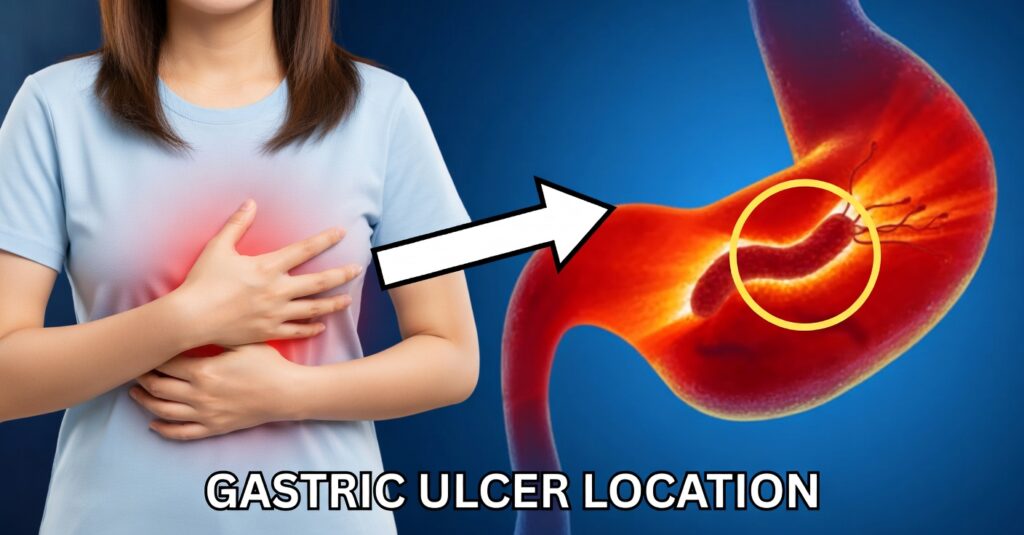
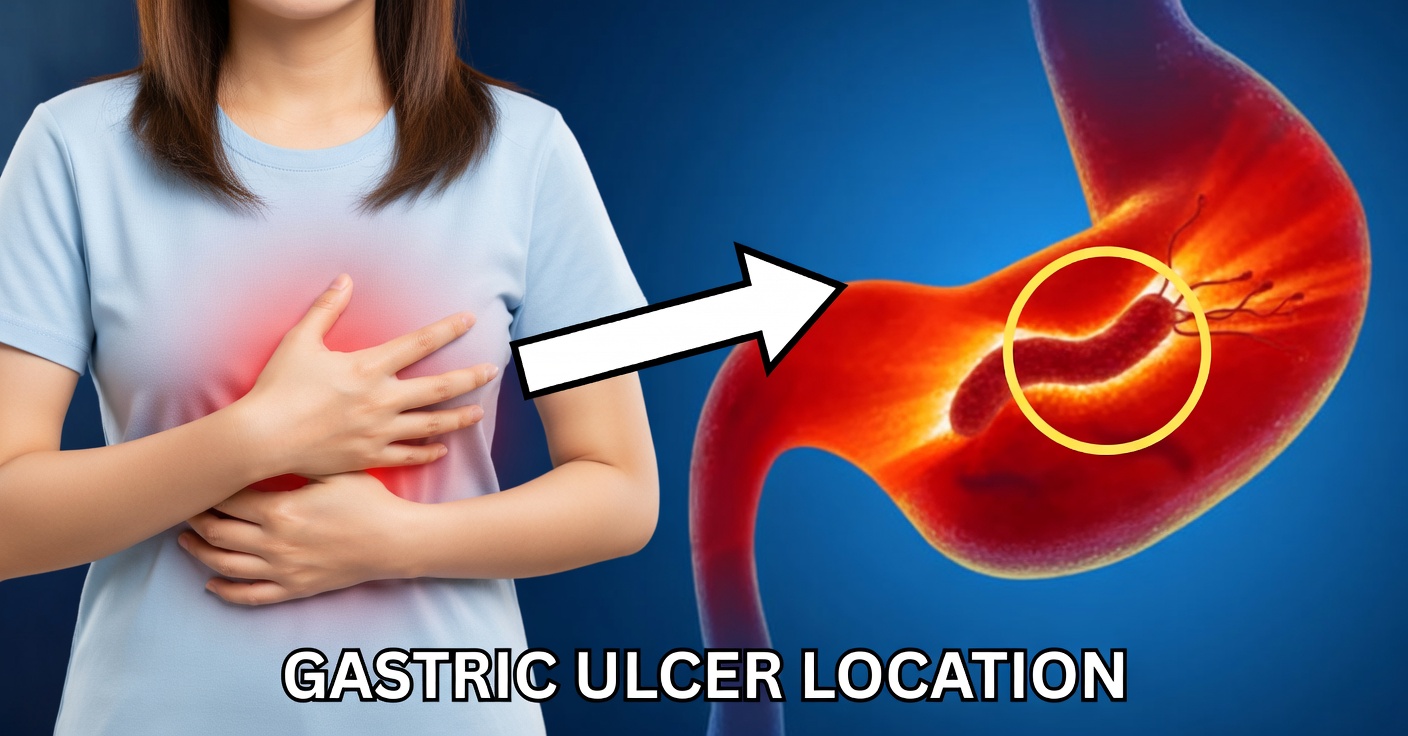
Helicobacter pylori is a gram‑negative bacterium that colonizes the inner lining of the stomach. It is uniquely adapted to survive in highly acidic conditions, allowing it to attach to the stomach’s mucosal layer and gradually damage this protective barrier.
Once it settles in the stomach, H. pylori weakens the mucus layer that shields the stomach wall. This makes it easier for digestive acids to irritate and inflame the gastric tissue, potentially leading to persistent digestive issues and, if left untreated, more serious complications.
Common Symptoms of Helicobacter pylori
A large number of people infected with Helicobacter pylori never develop symptoms. When symptoms do appear, they can easily be mistaken for other gastrointestinal problems. The most frequent signs include:
- Abdominal pain: Often more noticeable after meals or when the stomach is empty.
- Heartburn and acid reflux: A burning sensation in the chest or throat.
- Bloating and excess gas: A feeling of heaviness or fullness after eating.
- Frequent nausea: Sometimes occurring without an obvious cause.
- Persistent bad breath: Even with good oral hygiene.
- Loss of appetite and weight loss: Due to ongoing discomfort when eating.
- Chronic fatigue: Often related to poor nutrient absorption.
- Anemia or iron deficiency: Because the infection can interfere with iron uptake.
- Gastric or duodenal ulcers: In more advanced or long‑standing cases.
If you notice several of these symptoms over an extended period, it is important to consult a healthcare professional for proper testing and diagnosis.
7 Natural Remedies to Help Fight Helicobacter pylori
Conventional medical treatment for H. pylori usually involves a combination of antibiotics and acid‑suppressing drugs. The following home remedies do not replace medical care, but they may help support recovery, relieve symptoms, and strengthen the digestive system when used as part of a healthy lifestyle.
1. Ginger and Turmeric Tea
Ingredients:
- 1 teaspoon freshly grated ginger
- ½ teaspoon turmeric powder
- 1 cup water
Preparation
Bring the water to a boil, add the ginger and turmeric, then remove from heat and let steep for about 10 minutes. Strain and drink twice a day.
Potential benefits
Ginger and turmeric have natural anti‑inflammatory and antimicrobial properties. They may help reduce stomach inflammation, support the mucosal barrier, and inhibit certain harmful bacteria, including H. pylori.
2. Cabbage (White Cabbage) Juice
How to prepare
Blend 4–5 fresh cabbage leaves with one glass of water until smooth. Strain if desired and drink on an empty stomach for 7 to 10 consecutive days.
Potential benefits
Cabbage is rich in glutamine and other nutrients that may support the regeneration of the stomach lining and promote healing in irritated gastric tissue.
3. Manuka Honey
How to use
Consume one teaspoon of pure manuka honey on an empty stomach, without mixing it with food or water. Allow it to slowly dissolve in your mouth.
Potential benefits
Manuka honey is known for its strong antibacterial activity and may help inhibit the growth of Helicobacter pylori while soothing the stomach lining.
4. Natural Probiotics
Examples
- Kefir
- Plain, unsweetened yogurt
- Sauerkraut
- Kombucha
How to use
Take one glass of kefir or a serving of natural yogurt daily. You can also include small portions of fermented foods like sauerkraut or kombucha as part of your regular diet.
Potential benefits
Probiotics help restore the balance of beneficial gut bacteria, support immune function, and may reduce the population of harmful microbes, including H. pylori, in the digestive tract.
5. Guava Leaf and Oregano Infusion
Ingredients:
- 4 fresh guava leaves
- 1 teaspoon dried oregano
- 1 cup water
Preparation
Boil the water, add the guava leaves and oregano, and simmer for about 5 minutes. Turn off the heat, let it steep, strain, and drink twice per day.
Potential benefits
Both guava leaves and oregano have antimicrobial and anti‑inflammatory properties. This herbal infusion may help calm inflamed gastric tissue and support the body’s natural defenses against bacteria.
6. Virgin Coconut Oil
How to use
Take one tablespoon of virgin coconut oil on an empty stomach each morning. If needed, you can start with a smaller amount and gradually increase.
Potential benefits
Virgin coconut oil contains medium‑chain fatty acids, such as lauric acid, which have antimicrobial activity. It may help control harmful bacteria in the digestive tract and promote better digestion.
7. Raw Garlic with Honey
Preparation
Crush one clove of fresh garlic and mix it with one teaspoon of raw, pure honey.
How to use
Take this mixture on an empty stomach for 7 days in a row.
Potential benefits
Garlic is considered one of the most powerful natural “antibiotics.” Its sulfur‑containing compounds may help combat Helicobacter pylori and support the immune system, while honey can soothe the stomach.
Additional Recommendations
To support your digestive health and enhance the effect of any treatment, consider the following lifestyle tips:
- Avoid irritating foods and drinks such as alcohol, coffee, spicy dishes, and deep‑fried foods.
- Eat at regular times and chew your food slowly and thoroughly.
- Stay well hydrated by drinking water throughout the day to help your body eliminate toxins.
- Do not self‑prescribe antibiotics; always use them only under medical supervision.
- Seek professional medical advice if your symptoms last more than two weeks or worsen over time.
Precautions
- Do not use all of the remedies at once. Choose one or two options that suit you and use them consistently.
- Avoid raw garlic if you have an active ulcer or a very sensitive stomach, as it may aggravate irritation.
- Honey should not be given to children under one year of age due to the risk of infant botulism.
- If you have pre‑existing medical conditions, take regular medication, are pregnant, or breastfeeding, consult a healthcare professional before starting any new remedy or supplement.
Conclusion
Helicobacter pylori is often silent, but its impact on digestive health can be significant. From mild discomfort to serious gastric disease, this infection should not be ignored. Natural options such as ginger, turmeric, manuka honey, garlic, cabbage juice, and probiotics can be valuable allies alongside conventional medical treatment, helping ease symptoms and support the healing of the stomach lining.
Consistency, a balanced diet, and paying attention to your body’s signals are essential. If your symptoms persist, intensify, or interfere with daily life, seek evaluation from a qualified healthcare provider.
Important Notice
This article is for informational and educational purposes only and does not replace professional medical advice, diagnosis, or treatment. If you experience severe, persistent, or worrying symptoms, consult a doctor or other licensed health professional promptly.