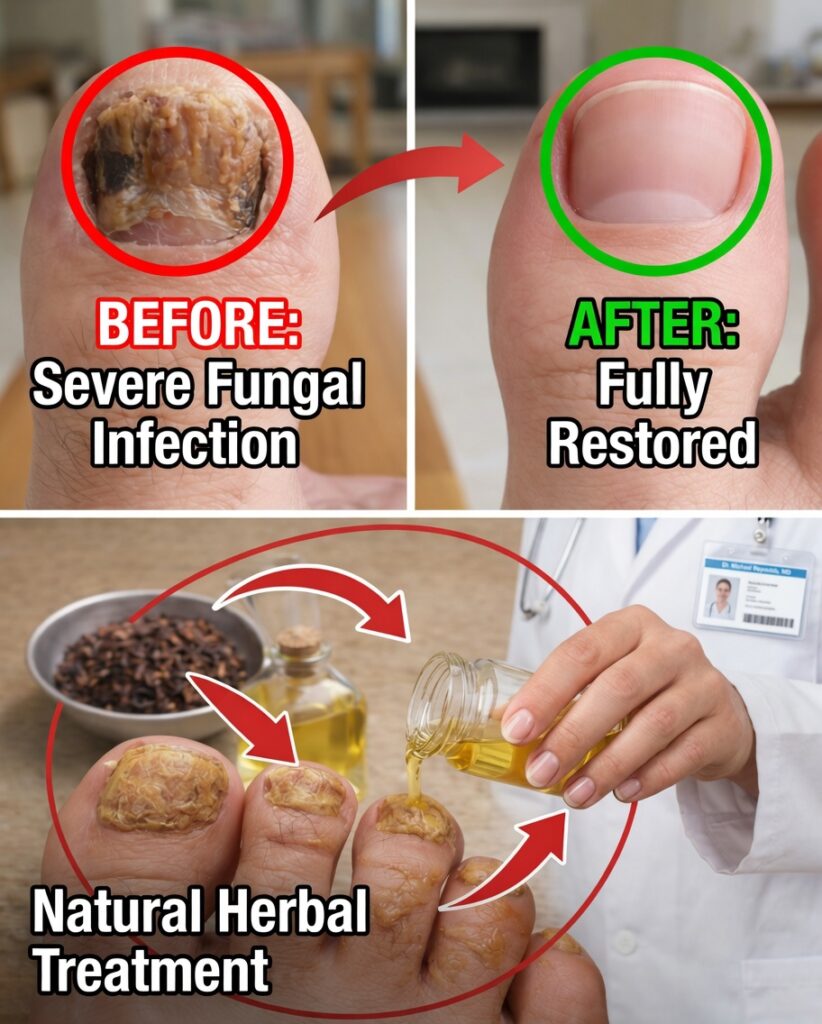
Yellow, Thick, Brittle Nails? Many People Try Baking Soda and Apple Cider Vinegar for Natural Nail Care
When nails that used to look healthy suddenly turn yellow, thick, and fragile, nail fungus is often the culprit. This can feel embarrassing—whether it’s wearing sandals, going barefoot in summer, or even shaking hands. What makes it more frustrating is that some over-the-counter options may seem slow to work, even after weeks.
A common question is whether simple household ingredients can support a daily nail-care routine. Many people choose an easy, budget-friendly approach using baking soda and apple cider vinegar as a home soak. Below is a clear step-by-step guide on how it’s typically prepared and used.
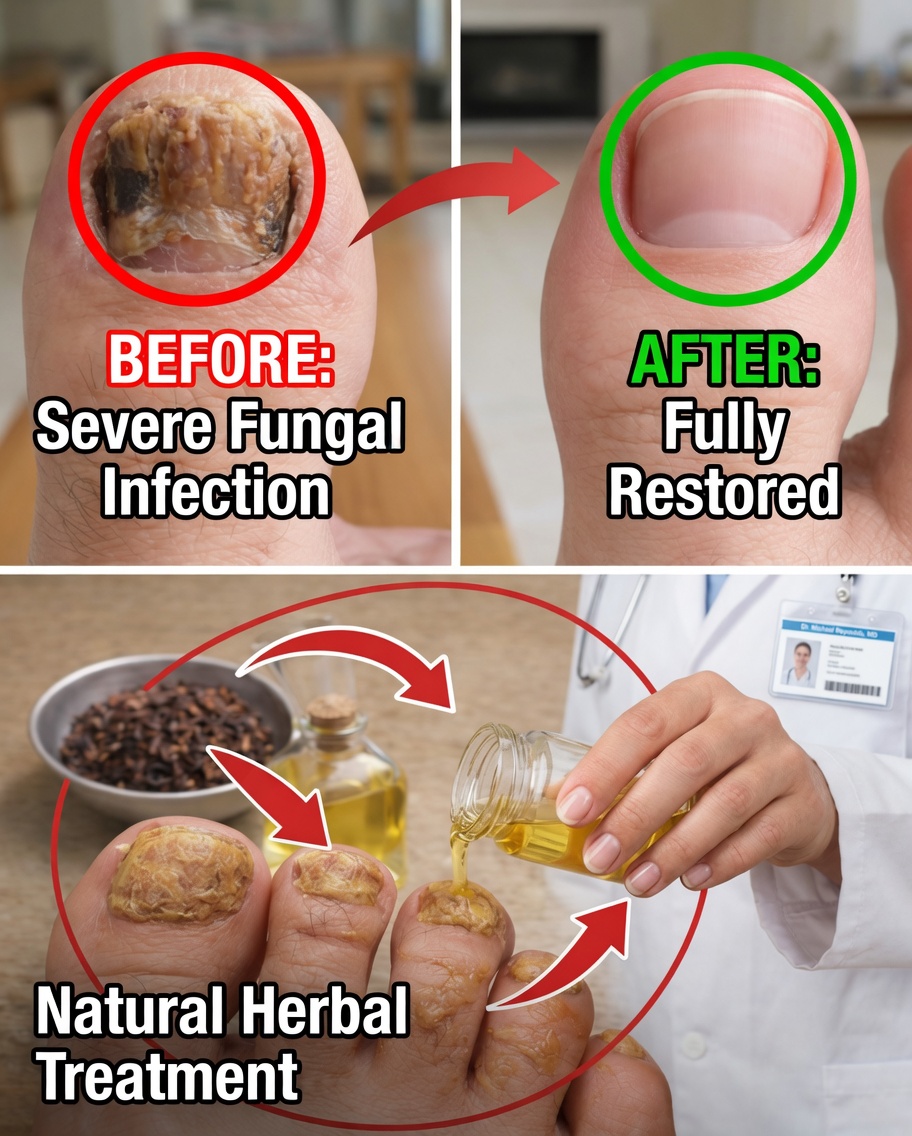
Understanding Nail Fungus (Onychomycosis)
A fungal nail infection—often called onychomycosis—affects millions of people worldwide. Fungi tend to thrive in warm, damp environments, such as inside closed shoes or on wet bathroom and pool floors.
Early signs may look subtle, including:
- Nail discoloration
- Thickening
- A dull or cloudy appearance
As it progresses, the nail may become:
- Brittle
- Rough or uneven
- Partially lifted from the nail bed
Common risk factors include:
- Older age
- Diabetes
- Reduced blood circulation
- Frequent exposure to moisture
While medical treatments exist, many people explore natural options first for mild cases or as supportive care.
Why People Combine Baking Soda and Apple Cider Vinegar
One of the most talked-about home methods uses baking soda (sodium bicarbonate) and apple cider vinegar (ACV)—two staples found in many kitchens.
People are interested in this combination because:
- Baking soda may help absorb moisture and create conditions that are less favorable for fungal growth.
- Apple cider vinegar contains acetic acid, which has demonstrated antimicrobial activity in laboratory research.
Together, they create a simple nail soak that’s easy to add to a routine.
Reasons many people try this method:
- Very low cost
- Readily available, “natural” ingredients
- Simple to do at home
- With consistent use, it may help improve the appearance of nails over time
Step-by-Step: How to Make a Nail Soak with Baking Soda and Apple Cider Vinegar
Consistency matters. Most people repeat this routine daily.
1) Mix the solution
Fill a basin with warm water (not hot). Add:
- 2 tablespoons of baking soda
- 1/4 cup of apple cider vinegar
Stir well until the baking soda is evenly dispersed.
2) Soak the affected nails
Place the affected nails in the mixture for 10–15 minutes. Warm water can help soften thickened nails, making cleaning easier.
3) Gently brush the nail surface
After soaking, use a soft toothbrush to lightly scrub the nail for 30–60 seconds. This may help remove surface buildup and debris.
4) Dry thoroughly
Dry the area completely with a clean towel. Since moisture supports fungal growth, this step is especially important.
5) Moisturize lightly (optional)
Apply a mild moisturizer or a natural oil to prevent dryness. Some people add one diluted drop of tea tree oil, though it should be used carefully and never undiluted on sensitive skin.
6) Repeat daily
Many people do this once daily, and some repeat it up to twice a day if their skin tolerates it well. Keep nails trimmed and clean during the process.
With steady use, people often report gradual changes in how nails look after a few weeks—though results vary.
Other Natural Approaches Some People Use
In addition to baking soda and apple cider vinegar, these options are commonly mentioned:
Tea tree oil (Melaleuca)
Research suggests tea tree oil may have antifungal properties. Many people apply it diluted, typically twice daily.
Vicks VapoRub
Some small studies and anecdotal reports suggest improvements in nail appearance with consistent use, potentially due to ingredients such as menthol and eucalyptus.
Basic nail-care habits
- Keep nails short
- Avoid sharing nail tools
- Keep feet clean and dry
How to Help Prevent Nail Fungus from Coming Back
Prevention habits can support any treatment routine:
- Choose breathable shoes
- Wear moisture-wicking socks
- Avoid walking barefoot in public wet areas (e.g., pools, locker rooms)
- Dry feet well after bathing
- Clean and disinfect manicure/pedicure tools
What Results to Expect (Timeline)
Nails grow slowly, so visible improvement often takes weeks to months.
- Fingernails: roughly 6 months for full regrowth
- Toenails: often 12–18 months
Patience and consistency are key. If the condition worsens, becomes painful, or spreads, seek guidance from a healthcare professional.
Conclusion
Dealing with nail fungus can be discouraging, especially when nail appearance changes and progress feels slow. A simple baking soda and apple cider vinegar nail soak is an accessible, low-cost method many people use to support daily nail care. Combined with good hygiene and consistent habits, it may help improve how nails look over time.
Disclaimer: This article is for informational purposes only and does not replace medical advice. Home remedies may support symptom care but are not proven cures. Consult a healthcare professional before starting any new method—especially if you have underlying health conditions, severe symptoms, pain, or a spreading infection. Results vary from person to person.