Guava Leaves for Joint Comfort and Bone Strength: Benefits, Science, and Home Uses
As people get older, it is common to notice joint discomfort, stiffness, or growing concerns about bone strength. Sitting for too long may lead to tightness, movement can bring occasional aches, and worries about bone density often increase with age. Even simple daily tasks may start to feel less comfortable and more limiting.
These changes are often linked to normal aging, lifestyle habits, and nutritional gaps that can influence musculoskeletal health. Fortunately, natural options may offer support, and one surprisingly valuable choice is the leaf of the guava tree.
What if an ordinary leaf from a backyard plant could become part of your routine for supporting joint wellness and stronger bones? This article explores guava leaves from the Psidium guajava tree, their important nutrients, the research behind them, and easy ways to use them at home.
Why Guava Leaves Are Gaining Attention for Musculoskeletal Health
Guava leaves have a long history of traditional use in many parts of the world for promoting general wellness. Today, they are drawing more scientific interest because of their impressive nutritional and plant-compound profile.
Studies show that guava leaves contain important minerals such as:
- Calcium
- Phosphorus
- Magnesium
These minerals are essential for maintaining bone structure and supporting bone density. Calcium and phosphorus, in particular, are well known for their role in keeping bones strong and reducing problems associated with nutrient deficiencies.
In addition to minerals, guava leaves contain a variety of beneficial plant compounds, including:
- Polyphenols
- Flavonoids
- Quercetin
- Kaempferol
- Rutin
- Ellagic acid
- Gallic acid
These substances have antioxidant properties, which may help the body manage oxidative stress. Since oxidative stress can affect joints, tissues, and overall mobility, this makes guava leaves especially interesting for joint and bone support.
How Guava Leaves May Support Joint Comfort
Researchers are beginning to study how guava leaf compounds may affect the processes involved in joint health.
Some animal studies, including research using rats with osteoarthritis-like joint changes, suggest that guava leaf extract may help slow early cartilage damage. In one study, the effects appeared to increase with dosage and were linked to ellagic acid, a compound that showed positive influence on markers related to joint tissue.
Small human studies have also explored this area. In a randomized, double-blind trial involving people with knee discomfort, regular use of guava leaf extract showed some potential to reduce pain and stiffness compared with a placebo. While the effects were modest, the findings suggest guava leaves may help support everyday joint mobility.
Laboratory and animal research also points to anti-inflammatory actions from the polyphenols found in guava leaves. These compounds may help regulate pathways involved in swelling, inflammation, and oxidative damage inside the joints.
That said, the evidence is still developing. Most findings come from preclinical research or small human trials, so larger and more detailed studies are still needed.
What Research Says About Guava Leaves and Bone Health
Bones need a steady supply of nutrients to stay healthy over time. Guava leaves may contribute to that support because they provide several nutrients associated with bone maintenance.
Some analyses report that dried guava leaves contain significant amounts of calcium, with values around 1660 mg per 100 g dry weight, along with phosphorus and magnesium. They also contain vitamin C, which plays an important role in collagen production. Collagen is a key component of the bone matrix and helps support bone structure.
Research consistently shows that diets rich in these minerals can help maintain bone health and reduce the impact of long-term nutrient shortfalls that may weaken bones over time.
The antioxidant content of guava leaves may offer another layer of support. By helping protect cells from free radical damage, these compounds may be useful in addressing some of the cellular stress that increases with aging.
Key Nutrients and Compounds in Guava Leaves
Here is a quick breakdown of what makes guava leaves nutritionally valuable:
Minerals That Support Bones
- Calcium: Important for bone strength and structure
- Phosphorus: Works alongside calcium to support bone density
- Magnesium: Helps with mineral balance, muscle function, and absorption
Antioxidants and Protective Plant Compounds
- Quercetin and kaempferol: Flavonoids known for protective and anti-inflammatory potential
- Ellagic acid: Studied for its possible role in supporting joint tissue
- Vitamin C: Supports collagen formation and immune function
Together, these nutrients and compounds make guava leaves a promising natural option for people interested in supporting mobility and skeletal health.
Easy Ways to Use Guava Leaves at Home
If you want to try guava leaves, there are simple methods you can use safely at home.
How to Prepare Guava Leaf Tea
This is the most popular and practical option.
- Choose fresh, young guava leaves.
- Make sure they are free from pesticides or chemical treatments.
- Wash the leaves thoroughly.
- Use 5 to 10 leaves per cup of water.
- Boil 1 to 2 cups of water.
- Add the leaves and let them simmer for 10 to 15 minutes.
- Strain the liquid and drink it while warm.
- Add honey or lemon if you want to improve the flavor.
- Start with one cup per day and see how your body responds.
Other Simple Ideas
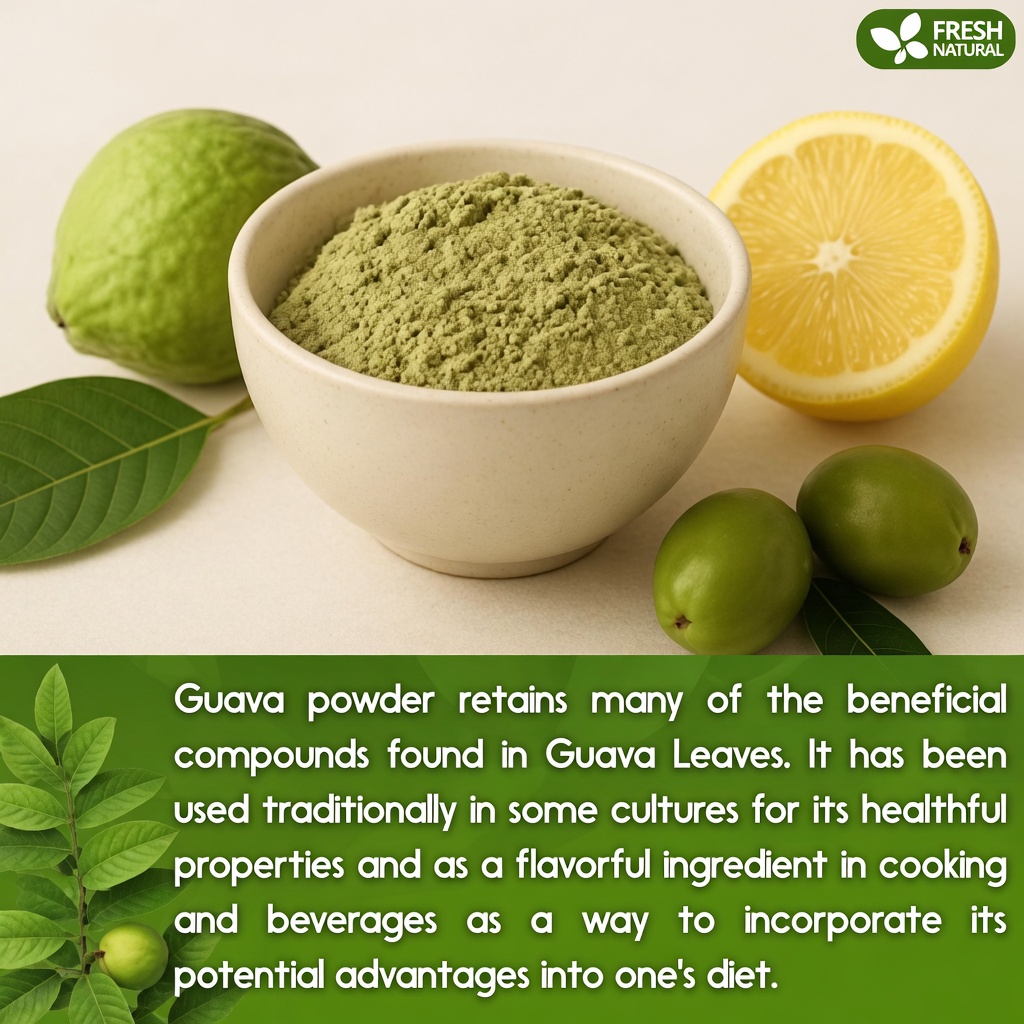
- Dried leaves: Clean the leaves, dry them in the shade, and store them in an airtight container for later tea preparation.
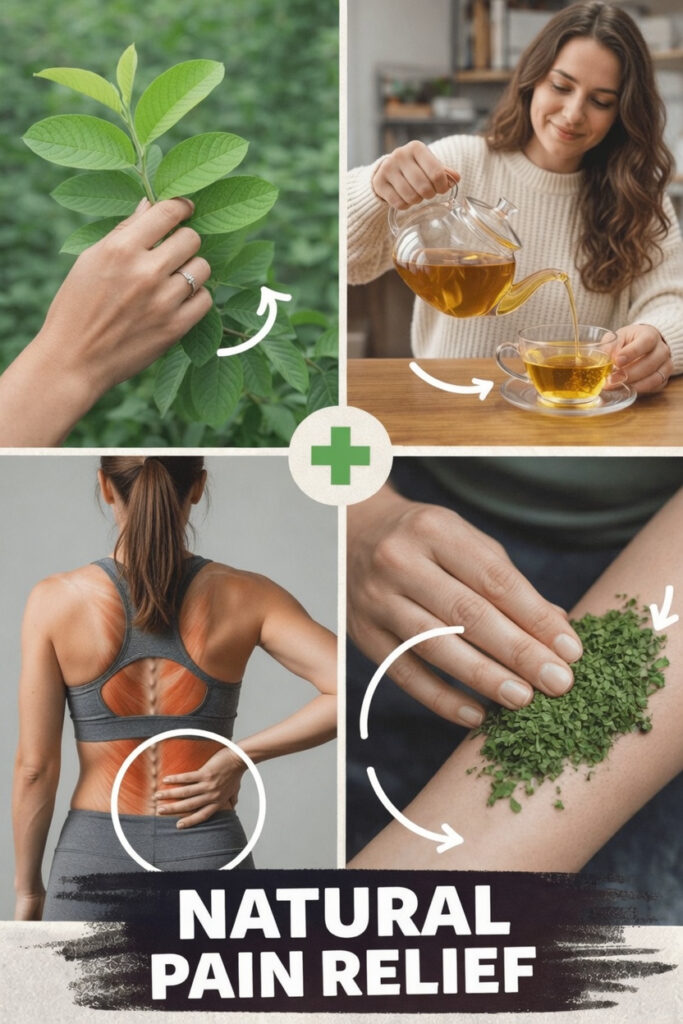
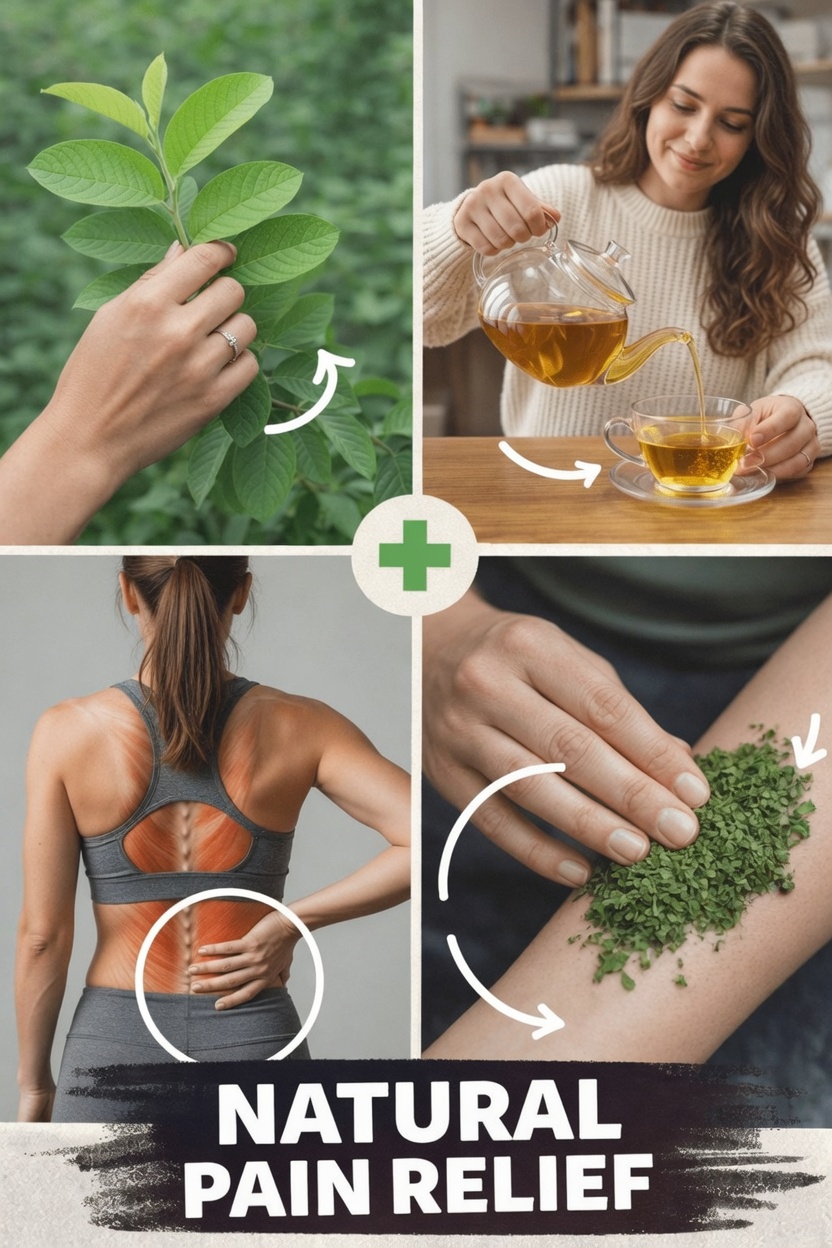
- Compress use: Make a stronger guava leaf brew, allow it to cool, and apply it to uncomfortable areas as a compress. Test a small patch of skin first to check for sensitivity.

Potential Benefits of Guava Leaves at a Glance
Based on traditional use and early scientific findings, guava leaves may offer several possible benefits:
- May help support joint comfort due to their anti-inflammatory compounds
- Provide minerals that contribute to bone maintenance
- Deliver antioxidants that help the body cope with everyday oxidative stress
- Can be prepared easily at home as tea or as a topical compress
- Align traditional plant use with growing modern wellness interest
Important Safety Tips
Before adding guava leaves to your routine, keep these points in mind:
- Always use clean, pesticide-free leaves
- Begin with a small amount to assess tolerance
- Moderate intake is generally well tolerated
- Too much may cause mild digestive discomfort in some people
If you have health concerns or take medications, it is wise to speak with a healthcare professional before regular use.
Conclusion: A Simple Natural Option for Bone and Joint Wellness
Guava leaves are an accessible plant-based option that may help support bone and joint health through a combination of minerals, antioxidants, and bioactive compounds. Animal research suggests possible protection for cartilage, while early human studies indicate potential benefits for knee comfort and stiffness.
Adding guava leaf tea to your daily habits may be a gentle and practical step toward better mobility and resilience. For the best results, combine this natural approach with balanced nutrition, regular movement, and guidance from a qualified healthcare provider.
FAQ
How often can I drink guava leaf tea for general wellness?
Many people begin with one cup per day. Pay attention to how your body feels and adjust as needed. For personalized advice, consult a healthcare professional.
Are there any side effects from guava leaves?
Guava leaves are usually considered safe when used in moderate amounts. However, some people may experience mild stomach discomfort. Avoid them if you are allergic to guava, and talk to your doctor if you are pregnant, breastfeeding, or taking medication.
Can guava leaves replace medical treatment for joint problems?
No. Guava leaves should be viewed as a supportive addition, not a substitute for medical care. If you have an existing condition or ongoing discomfort, seek advice from a healthcare professional.