A Simple Herbal Tea for Modern-Day Balance
Many people today grapple with low energy, sluggish digestion, and the constant strain that fast-paced living puts on the body. Over time, processed foods, irregular meals, and environmental stressors can leave you feeling tired, bloated, or simply “off.”
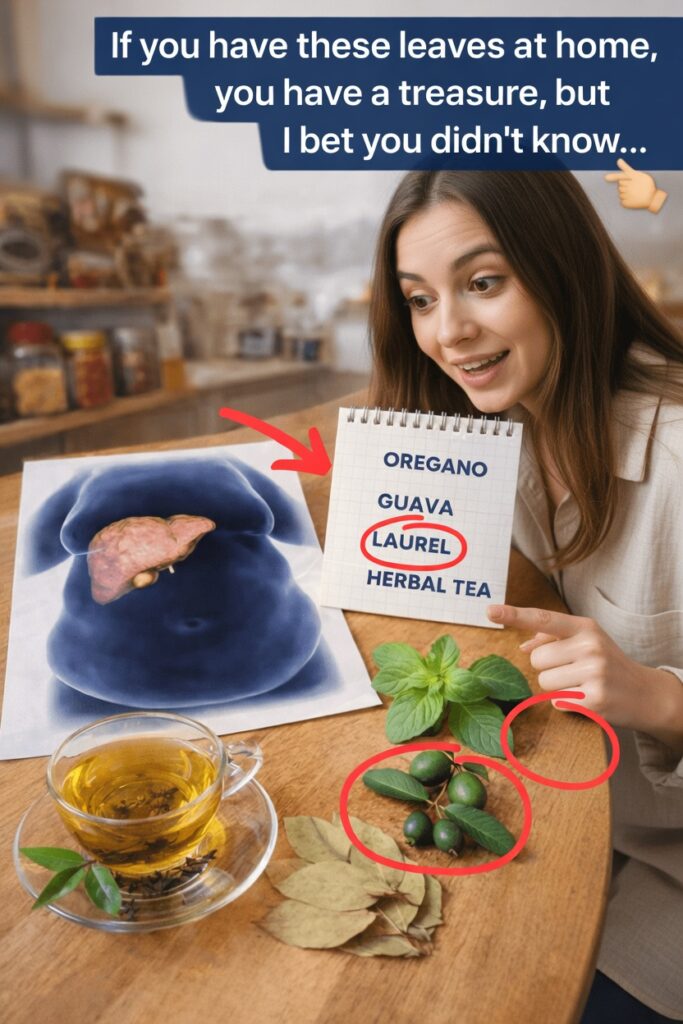
One gentle, kitchen-friendly option that many traditions have turned to is a soothing herbal infusion made from guava leaves, bay leaves, and Cuban oregano (Plectranthus amboinicus). Passed down across cultures, this aromatic tea is enjoyed as a daily tonic to support general well-being.
While research is still evolving, early studies suggest these plants contain naturally occurring compounds that may benefit the body in several interesting ways.
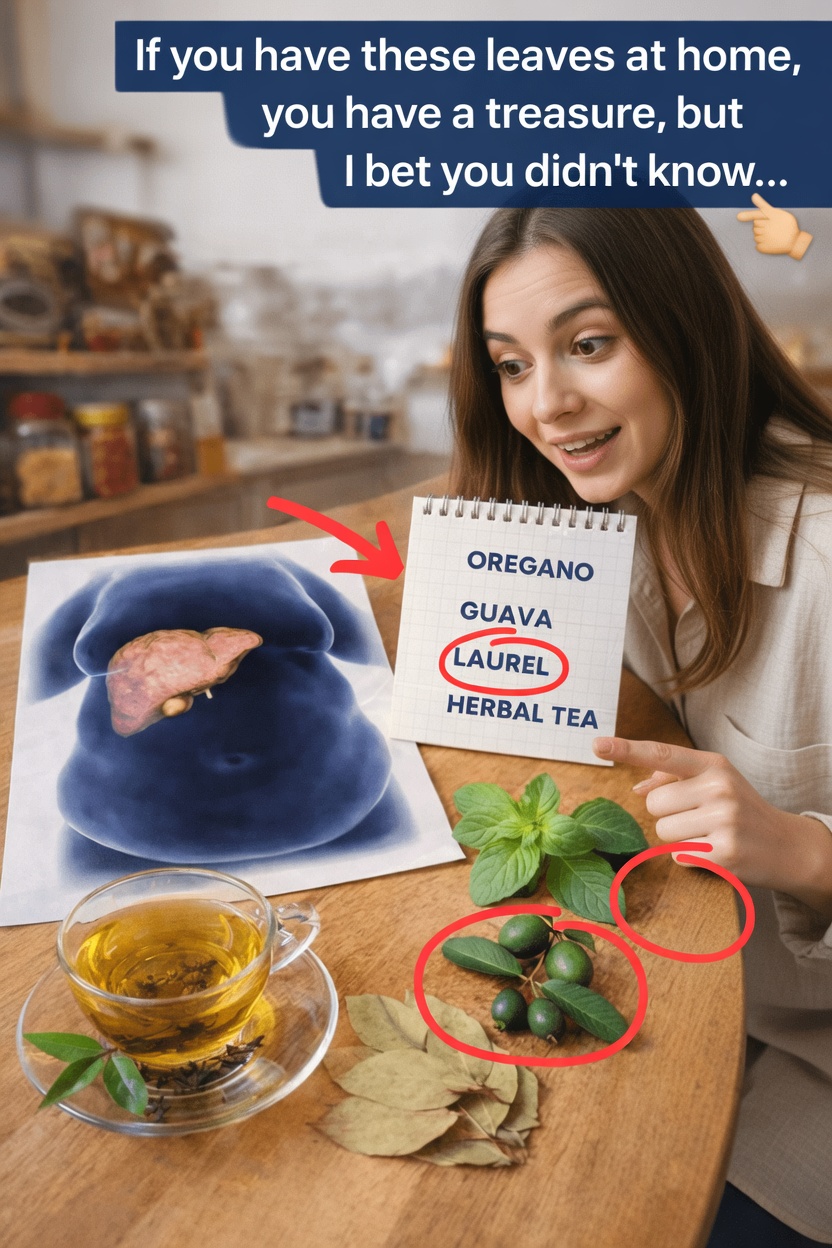
The real fascination lies in how these three familiar leaves may work together, not just individually. Below, you’ll find a straightforward recipe, what current science is exploring, and how to use this blend safely and mindfully.
Why This Herbal Blend Stands Out
Guava leaves, bay leaves, and Cuban oregano each have their own unique profile of plant compounds. When combined in a warm infusion, they create a fragrant herbal tea that is easy to prepare at home and simple to integrate into your routine.
Guava Leaves: Antioxidant-Rich Support
Guava leaves are rich in antioxidants, including quercetin and various polyphenols. Scientific reviews of Psidium guajava point out that these constituents help the body counter oxidative stress, a process linked to cellular wear and tear. By supporting the body’s natural defense systems, guava leaves may contribute to overall health and resilience.
Bay Leaves: Aroma and Digestive Tradition
Bay leaves (Laurus nobilis) bring a delicate, savory aroma to the infusion. They contain compounds such as cineole, which have been explored in research for their potential effects on circulation and digestive comfort. Traditionally, bay leaf tea has been used to gently support digestion and help the body handle heavy or rich meals.
Cuban Oregano: Potent Essential Oils
Cuban oregano is especially notable for its strong essential oils, including carvacrol and thymol. In laboratory studies, these molecules have been investigated for antimicrobial and anti-inflammatory properties. While most research is preclinical, it helps explain why this herb has long been used in folk remedies for respiratory and digestive support.
Together, these three plants form a balanced herbal tea that many people enjoy as a comforting daily ritual—offering more than just flavor, but also a sense of care for body and mind.
Emerging Potential Benefits from Research
No herbal tea can substitute for professional medical treatment. However, looking at studies on each plant individually can offer insight into why this blend is gaining attention.
1. Supporting Liver Function and Natural Detox Pathways
Some animal and cell-based studies on guava leaves suggest they may support liver health by influencing fat metabolism and reducing oxidative stress, particularly in models of fatty liver.
Bay leaves, long used in traditional herbal practices, are sometimes associated with mild “detox” support, largely due to their aromatic compounds and potential effect on digestion and circulation.
Cuban oregano’s essential oils may add a layer of protection due to their antioxidant and anti-inflammatory actions observed in lab settings. Together, the combination may gently assist the body’s natural cleansing processes.
2. Promoting Healthy Blood Pressure Balance
Research on guava leaves and bay leaves indicates that their bioactive compounds may help relax blood vessels and support healthy circulation in experimental models. For example, animal studies have examined how guava extracts could help maintain balanced blood pressure.
Human evidence is still limited, so this tea should not be seen as a treatment—rather, as a supportive habit within an overall healthy lifestyle.
3. Helping with Blood Sugar Management
Among the three, guava leaves are the most studied for blood sugar support. Several trials suggest that guava leaf tea may slow carbohydrate absorption and improve insulin sensitivity. In some clinical studies, participants experienced modest reductions in post-meal blood glucose.
These findings hint at why guava leaf infusions are popular among people looking to support metabolic health alongside diet and exercise.
4. Strengthening Antioxidant Defense
All three plants—guava leaves, bay leaves, and Cuban oregano—contain antioxidants that help neutralize free radicals generated by everyday stress, pollution, and metabolism. Over time, this antioxidant support may contribute to healthier cells and a more robust immune response.
5. Supporting Digestive Comfort
The soothing properties of this blend can be particularly noticeable in the digestive system.
- Cuban oregano’s antimicrobial and anti-inflammatory profile may help with occasional gas or discomfort.
- Guava leaves have traditionally been used to soothe the gut and support balanced digestion.
Altogether, the tea may ease occasional bloating and promote a more comfortable digestive experience.
Beyond physical effects, regularly savoring a warm herbal infusion can also become a mindful ritual—encouraging hydration, relaxation, and a moment of calm in a busy day.
How to Make the Guava–Bay Leaf–Cuban Oregano Tea
Preparing this herbal infusion at home is simple and requires only a few ingredients.
Ingredients (Makes About 1 Liter)
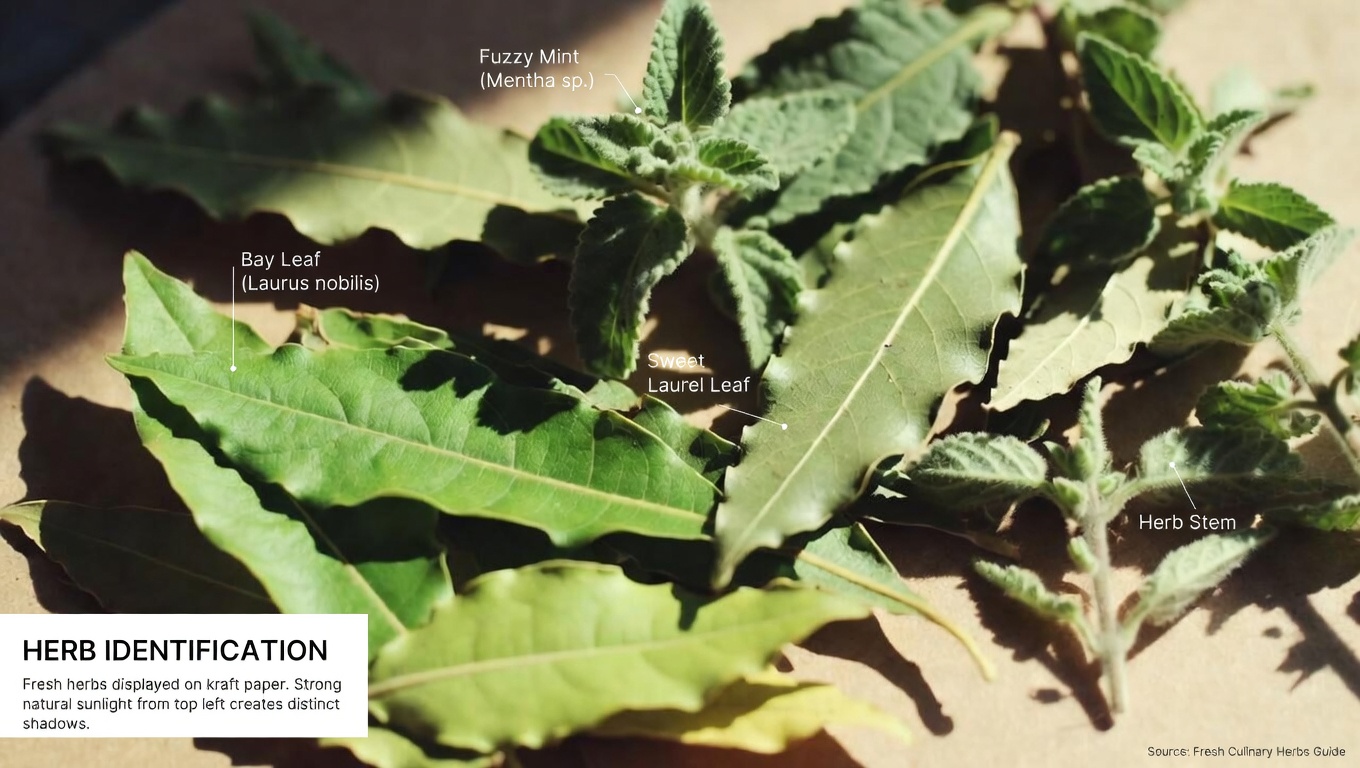
- 5 fresh or dried guava leaves
- 3 bay leaves
- 1 tablespoon fresh or dried Cuban oregano leaves
- 1 liter of water
- Optional: honey or lemon to taste
Step-by-Step Instructions
- Bring 1 liter of water to a boil in a pot.
- Add the guava leaves, bay leaves, and Cuban oregano to the boiling water.
- Lower the heat and let the mixture simmer gently for about 10 minutes, allowing the plant compounds to infuse.
- Turn off the heat and let the tea steep for an additional 5 minutes.
- Strain the liquid into a teapot or directly into cups.
- Enjoy it warm, adding a little honey or a squeeze of lemon if you prefer a milder or brighter flavor.
Many people choose to drink:
- 1 cup in the morning on an empty stomach
- 1 cup in the evening, a bit after dinner
You might try this pattern for a few weeks, then pause for a short break to observe how your body responds.
Practical Tips for Getting the Best from This Tea
To integrate this herbal infusion into your wellness routine in a thoughtful way, consider the following:
- Start with a small amount: Begin with one cup a day to see how you feel before increasing.
- Choose your timing: Morning use may feel energizing and supportive for the day ahead, while an evening cup can be part of a relaxing wind-down ritual.
- Pair with healthy habits: This tea works best as part of a bigger picture—balanced meals, regular movement, sleep, and stress management.
- Store herbs properly: Use fresh or well-dried leaves, and keep them in airtight containers in a cool, dry place away from direct sunlight to maintain potency.
- Experiment with flavor: Add ginger slices for extra warmth, or a few mint leaves for refreshing notes.
Consistency is key. Think of this blend as a gentle, enjoyable practice rather than a quick cure.
Safety, Side Effects, and Who Should Be Cautious
This herbal infusion is generally well-tolerated when consumed in moderate amounts as a beverage, similar to other herbal teas. Still, it’s important to keep a few precautions in mind:
- Pregnancy and breastfeeding: Avoid large or medicinal quantities, as safety data for high doses during these periods is limited. Occasional, food-like use should still be discussed with a healthcare provider.
- Existing conditions and medications:
- If you have diabetes or prediabetes, monitor your blood sugar, as guava leaves may influence glucose levels.
- If you have high or low blood pressure or take blood pressure medication, track your readings, since the herbs may enhance some effects.
- Watch for sensitivity: Stop drinking the tea if you notice digestive upset, skin reactions, or any unusual symptoms.
- Quality matters: Always source clean, pesticide-free leaves from reputable suppliers or from your own unsprayed garden.
Animal and preliminary human research suggests these plants are low in toxicity at moderate doses, but individual responses vary. Personalized medical advice is always the safest route.
Conclusion: A Gentle Herbal Ally for Everyday Wellness
A simple infusion of guava leaves, bay leaves, and Cuban oregano is a reminder that supportive wellness tools can be both accessible and traditional. From antioxidant and digestive support to potential benefits for liver health, circulation, and blood sugar balance, this tea offers a gentle, holistic complement to a healthy lifestyle.
Used thoughtfully and in moderation, it can become a calming daily ritual—helping you feel more in tune with your body and the natural world.
FAQ
1. How often can I safely drink this herbal tea?
Most people find that 1–2 cups per day, for short cycles such as 3 weeks on and 1 week off, works well. Pay attention to how you feel and talk with a healthcare professional if you plan to use it regularly over the long term.
2. Can this tea replace my medication for blood sugar or blood pressure?
No. This herbal tea is best viewed as a complementary practice, not a substitute for prescribed treatments. Always follow your doctor’s recommendations and monitor your levels if you have diabetes, hypertension, or other medical conditions.
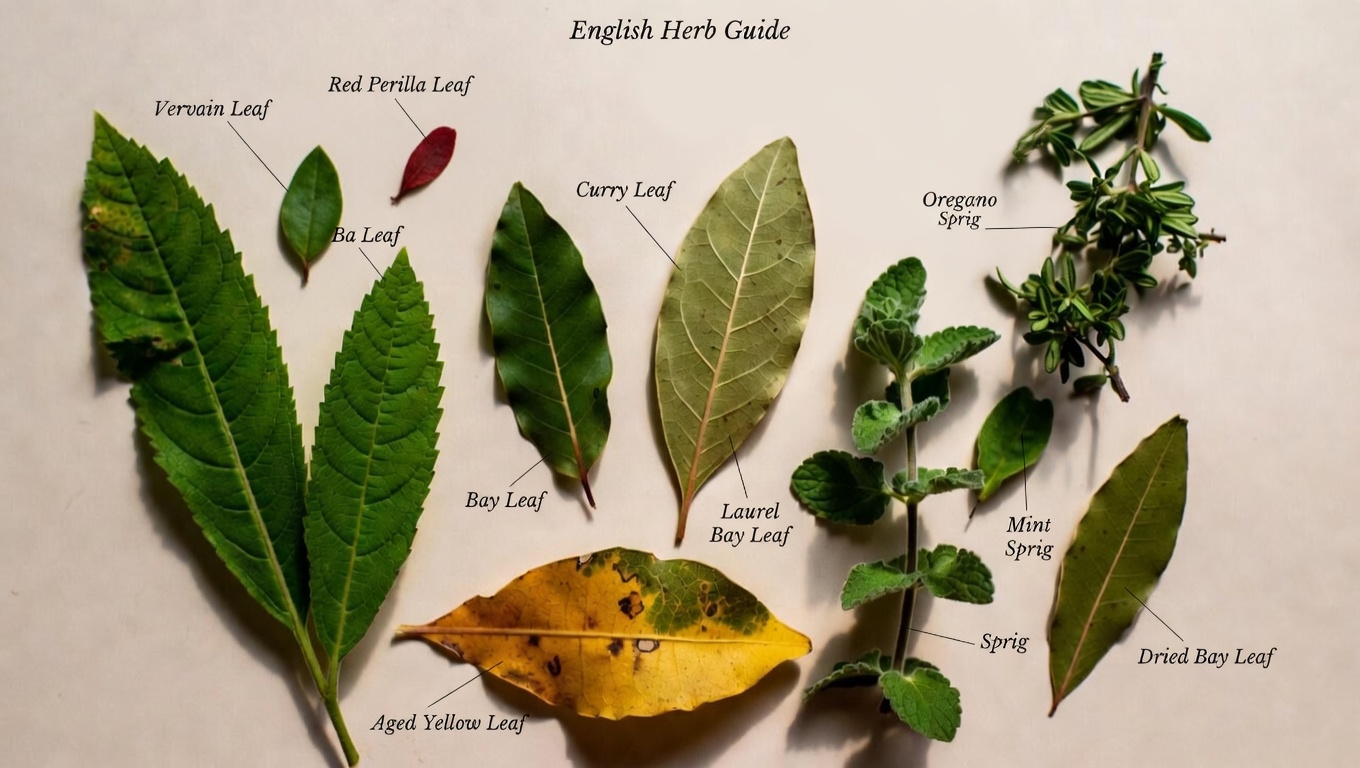
3. Where can I find guava leaves, bay leaves, and Cuban oregano?
- Guava leaves: Often available in tropical or subtropical regions, Asian or Latin markets, or from guava trees in home gardens.
- Bay leaves: Widely sold dried in supermarkets, specialty spice shops, and markets.
- Cuban oregano: Commonly grown as a houseplant or in herb gardens; you may find it in plant nurseries or local herb growers’ collections.
You can use either fresh or dried leaves—just ensure they come from trusted, clean sources.