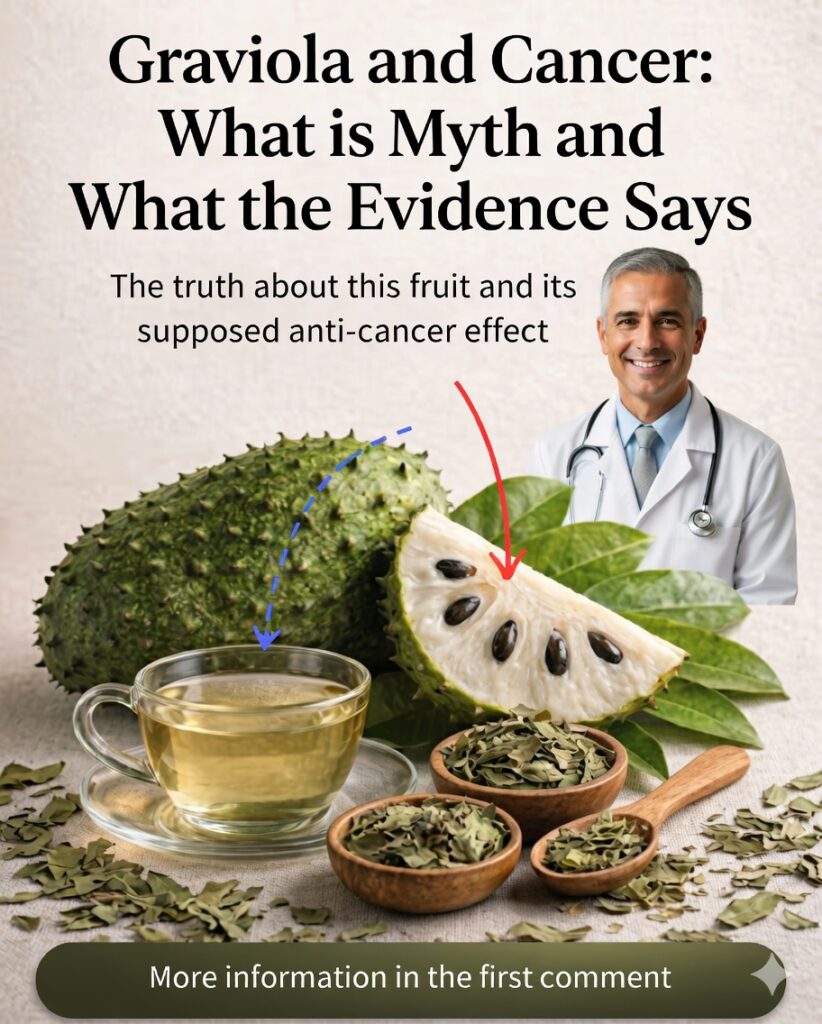
Guanabana and Cancer: Miracle Cure or Dangerous Myth?
Guanabana (Annona muricata), also known as soursop, is a popular tropical fruit throughout Latin America and the Caribbean. In recent years, it has gone viral online, often promoted as a natural cure for cancer, especially in the form of leaf tea, juices, or concentrated extracts.
However, current scientific evidence does not support these claims. So far, no well-designed clinical trial in humans has proven that guanabana can treat, shrink, or cure cancer.
Laboratory studies have found that certain compounds in the plant can act on cancer cells under experimental conditions (in vitro or in animals). But results from test tubes and animal models cannot be directly applied to human patients.
Because of this, scientific and medical organizations strongly advise against using guanabana as a substitute for conventional cancer treatments such as surgery, chemotherapy, radiotherapy, or immunotherapy.
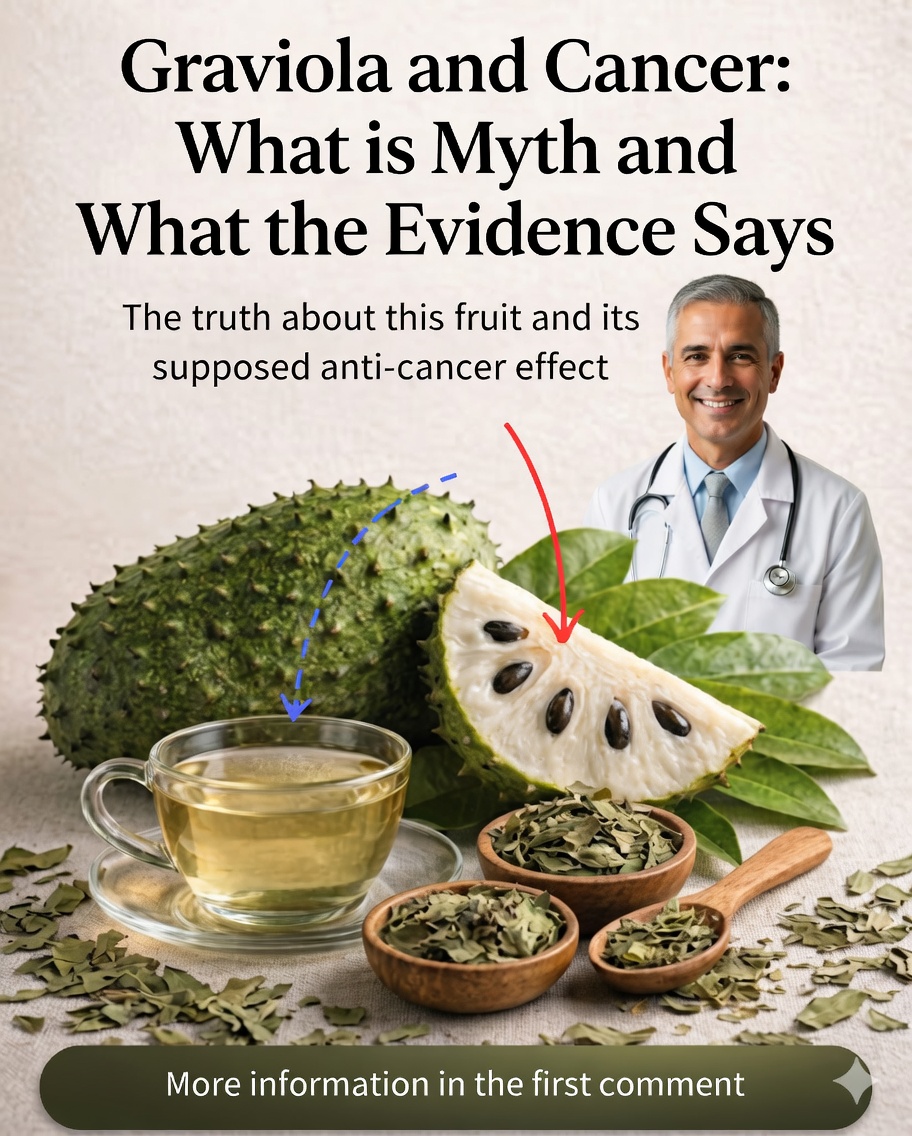
That said, guanabana is still a nutritious fruit that can be part of a balanced diet. Below are some traditional recipes and ways to enjoy it safely as food, not as a medical treatment.
Nutritional Benefits of Guanabana
Even though guanabana is not a proven cancer remedy, it does offer a range of valuable nutrients and plant compounds that can support overall health:
- High in vitamin C
- Good source of dietary fiber
- Contains natural antioxidants
- May support healthy digestion
- Provides potassium and other minerals
- Helps support normal immune function
- Contains bioactive plant compounds
Guanabana includes flavonoids, phenolic compounds, and acetogenins, which are being studied for potential antioxidant and anti-inflammatory effects. These properties may contribute to general wellness when the fruit is eaten as part of a varied diet.
Recipe 1: Fresh Guanabana Juice
Ingredients
- 1 cup guanabana pulp
- 1 glass of water
- 1 tablespoon honey or sugar
- Ice cubes (optional)
Instructions
- Blend the guanabana pulp with the water until smooth.
- Sweeten with honey or sugar to taste.
- Serve chilled, with ice if desired.
How to enjoy it
Ideal as a refreshing breakfast drink or mid-morning pick-me-up.
Recipe 2: Guanabana Leaf Tea
Ingredients
- 3 dried guanabana leaves
- 1 cup water
- 1 teaspoon honey (optional)
Instructions
- Bring the water to a boil.
- Add the dried leaves and let steep for 5–7 minutes.
- Strain into a cup and sweeten with honey, if you like.
How to enjoy it
Best consumed in the evening as a warm, relaxing herbal infusion.
(This tea is for comfort and taste, not as a cancer treatment.)
Recipe 3: Guanabana Milk Smoothie
Ingredients
- 1 cup guanabana pulp
- 1 glass of milk (dairy or plant-based)
- 1 tablespoon honey
- ½ banana
Instructions
- Add all ingredients to a blender.
- Blend until thick and creamy.
How to enjoy it
A nourishing snack or light breakfast that combines fruit, fiber, and protein.
Recipe 4: Guanabana Lemon Water
Ingredients
- 1 cup guanabana pulp
- 1 liter water
- Juice of ½ lemon
- 1 tablespoon honey
Instructions
- Blend the guanabana pulp with the water.
- Strain if you prefer a smoother texture.
- Stir in the lemon juice and honey.
How to enjoy it
Sip throughout the day as a flavorful way to stay hydrated.
Recipe 5: Green Guanabana Smoothie
Ingredients
- ½ cup guanabana pulp
- 1 handful fresh spinach
- 1 apple, cored
- 1 glass of water
Instructions
- Rinse the spinach and apple well.
- Place all ingredients in a blender.
- Blend until the mixture is smooth and uniform.
How to enjoy it
Great in the morning when you want an energizing, nutrient-dense drink.
Recipe 6: Tropical Fruit Salad with Guanabana
Ingredients
- ½ cup guanabana pulp (in small pieces)
- ½ mango, diced
- ½ papaya, diced
- Fresh lemon or lime juice
Instructions
- Cut all fruits into bite-size pieces.
- Combine in a bowl and drizzle with lemon or lime juice.
- Toss gently and serve.
How to enjoy it
A light, naturally sweet dessert or snack that showcases tropical flavors.
Recipe 7: Simple Guanabana Ice Cream
Ingredients
- 2 cups guanabana pulp
- ½ cup milk (dairy or plant-based)
- 2 tablespoons honey
Instructions
- Blend all ingredients until smooth.
- Pour into a freezer-safe container.
- Freeze for 3–4 hours, stirring once halfway through if possible.
How to enjoy it
A refreshing, fruit-based dessert with fewer additives than commercial ice cream.
Myths, Risks, and Precautions
Claims that guanabana cures cancer are widespread on the internet, but they are not backed by rigorous scientific data.
Key points to keep in mind:
- Positive findings so far come mainly from cell cultures and animal studies.
- There is no solid clinical evidence in humans demonstrating that guanabana can cure or treat cancer.
- Guanabana or its extracts should never replace standard medical treatments prescribed by your doctor.
- Always talk to a qualified healthcare professional before using guanabana supplements, especially if you have a medical condition, are undergoing cancer treatment, or are taking medication.
Some studies also raise concerns that high or prolonged intake of certain guanabana compounds might be harmful to the nervous system. This is another reason to avoid self-medicating with concentrated extracts or large amounts of leaf preparations.
Conclusion
Guanabana (soursop) is a flavorful, nutrient-rich tropical fruit packed with vitamin C, fiber, and antioxidants. Enjoyed as food, it can contribute to a healthy, balanced diet.
However, despite ongoing research, there is no scientific proof that guanabana can cure cancer in humans. It should be viewed as a nutritious fruit, not as a medical treatment.
Using guanabana in juices, smoothies, teas, and desserts is a delicious way to benefit from its nutrients—provided it is consumed as part of a varied diet and not as a replacement for evidence-based medical care.